

The Beginner’s Guide To Email Outreach For Link Building: 5 Simple Steps
Email outreach for link building is a powerful and still highly effective strategy in modern Search Engine Optimization, helping businesses earn high-quality backlinks by connecting directly with website owners, editors, and collaborators. This beginner-friendly guide explains how ethical, value-driven outreach such as guest posting, broken link building, and content collaboration can improve website authority, visibility, and rankings on platforms like Google. By focusing on mutual benefit, personalization, and relevance, email outreach continues to outperform spammy tactics and remains a scalable approach to building meaningful digital relationships.
What email outreach link building is (and why it still works)
Email outreach for link building is the practice of contacting a website owner, editor, or collaborator by cold email to earn backlinks to your site. In practical terms, you’re sending a thoughtful request email, often a tailored outreach template to propose a guest post, fix a broken link, suggest a resource page addition, pitch a blog mention, or coordinate a content collaboration. When done with an ethical link building mindset, it’s a scalable way to win authority links without spam.
Why it still works:
- Links remain a core signal in search engine optimization. In SEO and digital marketing, backlinks help Google and other search engines evaluate authority and relevance.
- Email outreach creates mutual benefit. You’re not just making a backlink request; you’re offering quality content, expert opinion, or a unique angle that improves a host’s blog post or resource.
- It’s flexible. You can run a small, high-touch campaign or a broader program using a blogger outreach tool, while tracking open rate, reply rate, and outcomes.
What still performs:
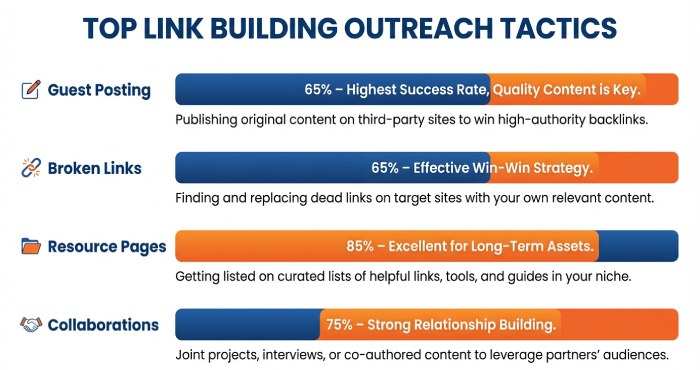
- Guest post and guest blogging contributions (with clear topic proposal and content standards)
- Broken link replacement with a stronger guide or resource suggestion
- Resource page inclusion managed by a resource page manager
- Content collaboration such as infographic collaboration, podcast collaboration, video collaboration, or content syndication/blog syndication
- Carefully vetted link exchange opportunities that follow ethical link building principles
Success hinges on the right outreach strategy: smart prospecting, relevant value, a tight subject line, and a respectful follow-up email cadence that supports relationship building.
Lay the groundwork: goals, link types, assets, and prospect criteria
Define goals and success metrics
Clarify your campaign goals up front:
- Primary goal: earn a high-quality backlink (ideally an authority link) that improves SEO visibility.
- Secondary goals: digital PR exposure, content promotion, or collaboration with an industry leader.
- Track: open rate, reply rate, number of backlinks acquired, and contribution to search engine optimization KPIs.
Choose the link types you can credibly earn
Map offers to the host’s needs:
- Editorial placements: guest post, guest author contribution, expert insight quotes, or a blog post update with content integration.
- Maintenance fixes: broken link replacements, resource page additions, or a blog mentioned in relevant articles.
- Collaborative formats: infographic collaboration with an infographic designer, podcast collaboration with a podcast host, video collaboration with a YouTuber, or a content swap.
- Distribution models: blog syndication or content syndication when suitable and disclosed.
- Caution with link exchange: only consider reciprocal links when there’s clear synergy and mutual benefit for readers.
Inventory your assets
List the content and angles you can pitch:
- Quality content: original research, actionable guides, and case studies that naturally attract backlinks.
- Formats for different audiences: a cornerstone blog post, an explainer video, a podcast episode, or a data-backed infographic.
- People and brands: a CEO’s expert opinion, an SEO expert’s analysis, or a content marketer’s framework that delivers expert insight.
Define prospect criteria
Select targets that maximize relevance and results:
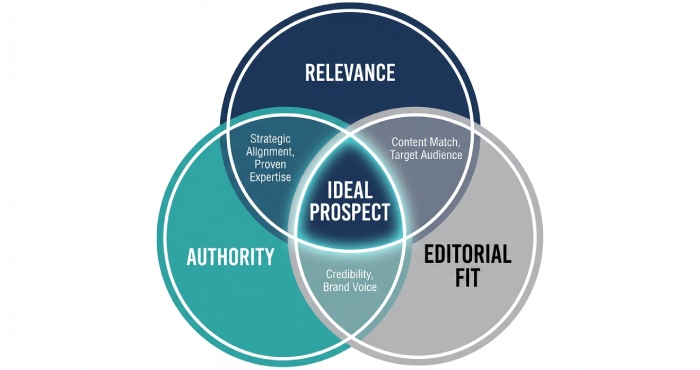
- Relevance: match your niche expertise to the host’s audience and topics.
- Authority: favor sites known to pass authority links and capable of giving you a high-quality backlink.
- Fit: confirm content standards, guest post guidelines, and that your content integration won’t feel forced.
- Angle: craft a value proposition and unique angle that solves a gap or elevates an existing blog post.
Step 1: Build a targeted prospect list (relevance, authority, fit)
Prioritize relevance first
Start with Google searches that align with your niche expertise:
- “best [topic] guide,” “[topic] resource page,” “[topic] tools,” or “[topic] blog post”
- “write for us [topic],” “guest post [topic],” or “become a guest author”
- “inurl:resources [topic]” to find a resource page suitable for a resource suggestion
Shortlist pages where your content collaboration or backlink request would be a natural add. Look for places where your asset upgrades a broken link or fills a content gap.
Evaluate authority and trust
Assess whether a site can pass meaningful SEO value:
- Editorial signals: well-edited content, citations, and an identifiable editor or website owner.
- Reputation: mentions from an industry expert or industry leader, plus real audience engagement.
- Commercial fit: avoid thin directories; favor respected blogs, a relevant Software as a service (SaaS) website, or a credible company publication like Shout Digital’s or Chanty’s blog when appropriate.
Confirm editorial fit and standards
Scan recent posts to gauge:
- Content standards and tone
- Acceptance of guest blogging, topic proposal norms, and how they credit contributors
- Placement norms for links (contextual backlinks within the body outperform footers)
If the site lists a resource page, find the resource page manager’s notes and ensure your content integration aligns with their guidelines.
Source prospects from diverse channels
- Blogs and publications: respected blogger sites and company publications
- Communities and media: podcasts (find the podcast host), YouTube channels (contact the YouTuber), newsletters, and curated roundups
- Partnerships: collaborators open to a content swap or a well-reasoned link exchange that offers reader value
Log each target with notes on opportunity type (guest post, broken link fix, resource page), relevant collab idea, and the likely value proposition.
Use the right tools and workflows
- Discovery and tracking: use a blogger outreach tool or CRM to manage prospecting and stages.
- Data hygiene: maintain fields for contact details, content standards, and preferred topics.
- Roles to note: editor, website owner, SEO expert, content marketer, resource page manager, and potential collaborator.
Step 2: Find the right contact and verify emails fast
Identify the real decision-maker
Your cold email works best when it reaches a human who can say “yes”:
- Editorial: editor, website owner, or resource page manager for a broken link or resource page addition
- Content: content marketer or guest post coordinator for pitches
- Influence: podcast host, YouTuber, or industry expert for collaboration formats
Map your ask to the role: a guest post pitch goes to editorial; an infographic collaboration goes to content or design leads; a podcast collaboration goes to the show’s producer or host.
Locate accurate contact details
- On-site: About, Team, Masthead, or “Write for us” pages often list the right email.
- Social proof: confirm names and responsibilities via LinkedIn or author bios to personalize your outreach template and subject line.
- Format clues: infer standardized patterns (e.g., firstname@company.com) when needed and validate before sending the request email.
Document alt contacts (e.g., editor and website owner) but avoid mass-blasting. Personalization drives higher open rate and reply rate in SEO outreach.
Verify, test, and protect deliverability
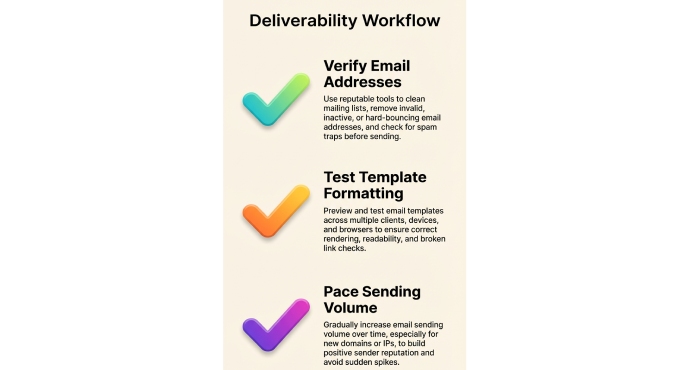
- Verify addresses: use an email verifier to avoid bounces before sending a cold email or follow-up email.
- Test templates: run a quick test in Mailtrap to check formatting and links so your email template doesn’t trigger filters.
- Warm-up and pacing: stagger sends, keep the subject line clear, and avoid attachments on first touch to maintain sender reputation.
Set reminders for a polite follow-up email cadence (e.g., 3–5 business days). Each follow-up should reinforce the value proposition and offer an easy out, which supports ethical link building and long-term relationship building.
Be transparent and value-led
Link building thrives on trust:
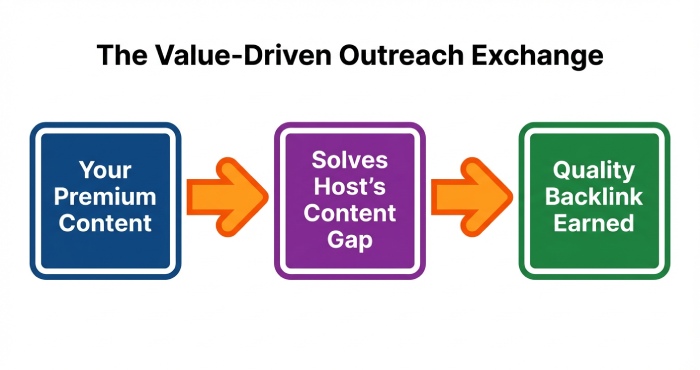
- State the mutual benefit and how your asset upgrades their blog post or replaces a broken link with something better.
- Be clear about any link exchange discussion; propose only when there’s genuine synergy and reader-first value.
- Frame your ask as an opportunity for content promotion, expert insight, or a stronger resource page entry.
Quick outreach templates you can adapt
Subject line examples:
- Subject: Broken link fix + updated guide on [topic]
- Subject: Guest post idea for [Site]: [Unique angle]
- Subject: Resource page suggestion: practical [topic] checklist
Outreach template snippets:
- Broken link replacement: “I noticed a broken link in your [blog post title]. We published a current, peer-reviewed guide on [topic]—happy to share a summary for quick content integration.”
- Guest post pitch: “Could I submit a guest post on [topic proposal]? I’ll include original data and actionable steps your audience can use this week.”
- Resource suggestion: “Your [topic] resource page is terrific. Would you consider adding our checklist? It’s helped 1,200+ readers and includes expert opinion from an SEO expert.”
These short, value-first lines help your cold email stand out without sounding templated, even though you’re starting from a thoughtful email template.
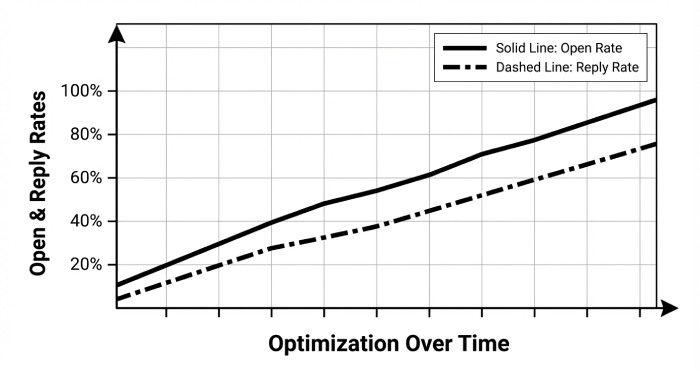
Track performance and refine
- Monitor open rate and reply rate at the campaign level; iterate on your subject line, outreach template, and call to action.
- Tag outcomes by opportunity type (guest post, broken link, resource page, content collaboration, link exchange).
- Feed learnings back into prospecting and messaging to steadily earn more backlinks and improve search engine optimization.
Notes and examples to inspire angles:
- A SaaS website like Chanty might welcome a workflow-focused guest post; a digital marketer at an agency such as Shout Digital may prefer a data-led expert opinion.
- For advanced collaboration, consider podcast collaboration with a podcast host or video collaboration with a YouTuber, anchored by a research-backed blog post for additional backlinks.
- When coordinating with a blogger or industry expert, align on content standards early, and share contact details to streamline review. If your team includes an infographic designer, pitch a visual asset to support content syndication where appropriate.
Throughout all outreach, keep the focus on reader value, alignment with SEO best practices, and genuine collaboration. That’s how email outreach compounds results in digital marketing—earning backlinks, building authority, and strengthening your network over time.
Step 3: Craft a value-first pitch that earns a yes
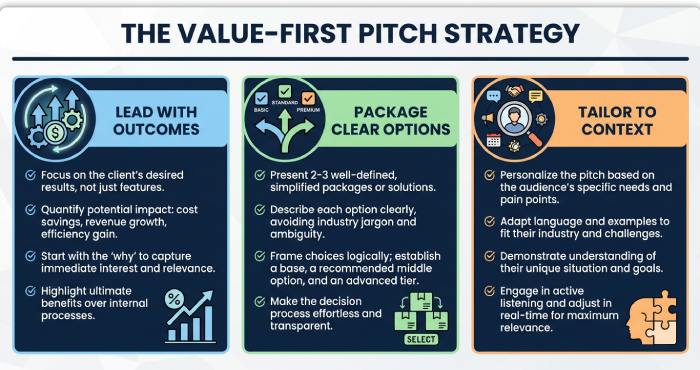
Lead with outcomes, not asks
Your email outreach should open with a crisp value proposition tied to the recipient’s audience and goals. Instead of a blunt backlink request, show the mutual benefit: how your guest post, resource suggestion, or broken link replacement saves the website owner time, improves a blog post, and advances their search engine optimization performance. Reference tangible gains expert insight from an industry expert, content integration that reduces bounce, or a high-quality backlink that supports topical authority.
Package clear options
- Guest post with a unique angle and topic proposal tailored to their content standards
- Broken link fix that replaces rot with a relevant guide and earns an authority link
- Content collaboration (podcast collaboration, infographic collaboration, or video collaboration) that drives content promotion for both parties
- A cautious link exchange or content swap only when it’s editorially justified and aligned with ethical link building
Tailor to the decision-maker’s context
For a blogger or editor, stress quality content and a seamless blog mention; for an SEO expert, connect to how the backlinks improve SEO and search engine optimization key performance indicator (KPI); for a podcast host or YouTuber, pitch a collab idea that plugs naturally into their format and audience; for a SaaS website, highlight case data and product-led storytelling; for a resource page manager, present a succinct request email with proof that your guide deserves to be on their resource page.
Prove fit with niche expertise
Demonstrate niche expertise with one-paragraph expert opinion, a data point Google can corroborate, and a brief portfolio link. Cite an industry leader you’ve collaborated with, reference content syndication or blog syndication placements, and propose content integration that creates synergy with their existing pillar pages.
Frame common offers the right way
Guest post and guest blogging pitches should emphasize editorial lift: proposed H2s, expert insight quotes, and references to prior collaboration with a respected company like Shout Digital. If suggesting a link exchange, discuss guardrails and why this specific swap serves readers first. For a broken link, name the exact URL, anchor, and the replacement so your backlink request is easy to approve. Close with an outreach template snippet that specifies next steps and contact details.
Step 4: Send smart: timing, deliverability, and personalization at scale
Cold email fundamentals that lift performance
A strong subject line improves open rate; a clear CTA boosts reply rate. Keep cold email copy short, front-load the benefit for digital marketing goals, and make the ask specific—approve a guest author slot, add a guide to a resource page, or consider a content collaboration. Map your cadence across time zones and set a sensible daily send cap to protect deliverability.
Nail deliverability before you scale
Authenticate domains and test with a tool like Mailtrap to diagnose spam triggers before a campaign. Warm up new mailboxes, vary your outreach template language, and avoid link-heavy first touches that could flag Google’s filters. Track soft bounces and adjust volumes so your email outreach program remains sustainable.
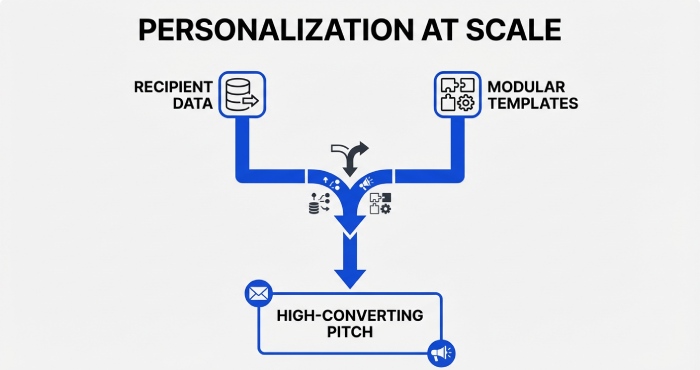
Personalization playbook without losing scale
Use enrichment to insert company names, recent blog post titles, and a short line proving you actually read their site. A capable blogger outreach tool can merge fields like role (website owner, editor, resource page manager), recent blog mention, or podcast episode to tailor the pitch. Personalize the first two sentences; then rely on a modular email template with interchangeable value blocks for guest post, link exchange, or broken link offers.
Cadence, timing, and context
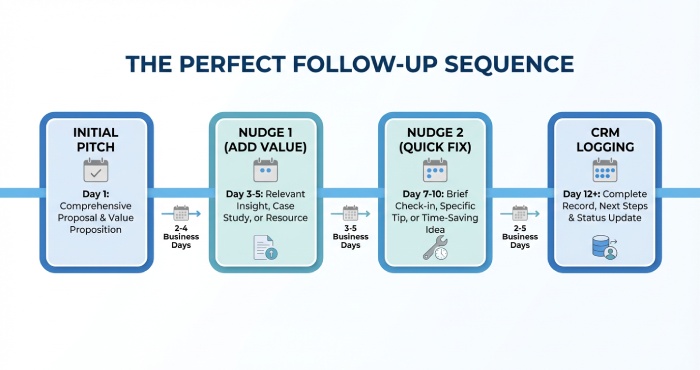
Send during local business hours, avoid weekends for B2B, and schedule nudges three to five business days apart. For digital marketer personas, tie timing to product launches or seasonal content promotion. Keep a separate track for collaboration-led messages (podcast collaboration, video collaboration) because decision cycles differ from standard link building.
Step 5: Follow up the right way and turn wins into relationships
Follow-up email etiquette that earns replies
Most wins happen after a thoughtful follow-up email. Keep it polite, reference the original outreach template or request email, and add a new angle—such as a smaller ask, a refined topic proposal, or a quick broken link pointer they can fix in seconds. Two to three nudges typically maximize reply without harming relationship building.
From “yes” to long-term collaboration
After a positive reply, move fast: confirm content standards, deadlines, and the CTA (guest post acceptance, resource page inclusion, or content swap). Offer optional extras that deepen the tie: a podcast collaboration, infographic collaboration with an infographic designer, or future video collaboration. Using tools like Nureply to streamline and personalize your outreach can further strengthen these relationships. This is digital PR in action—turn a single backlink request into a repeat collaborator who can introduce you to another industry expert.
Operationalize relationship health
Log every reply in your CRM, note preferences (anchor text, topic boundaries), and share updates with your team in Chanty to keep momentum. Thank the collaborator publicly with a blog mention or social thread, then propose a quarterly content collaboration or content syndication rhythm. Hand off editorial steps to an internal editor and keep the door open for new opportunity.
Tools and templates: prospecting, enrichment, outreach, and swipeable scripts
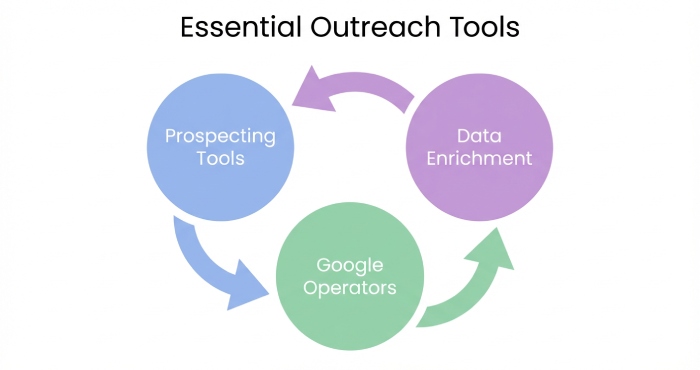
Prospecting and enrichment stack
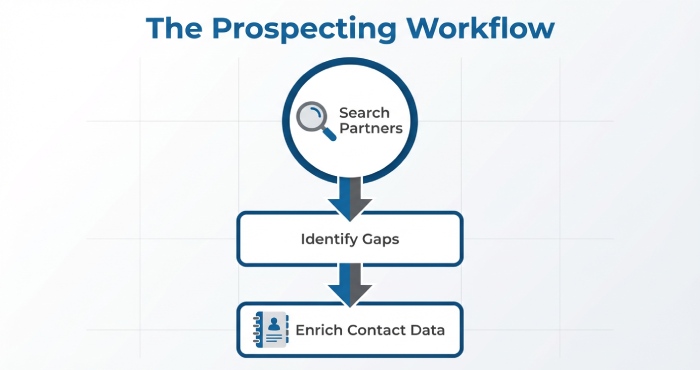
Use Google search operators, “inurl:resources” queries, and broken link checkers to source targets for link building across your niche. Complement with a blogger outreach tool for bulk prospecting, enrichment of contact details, and automatic validation. Pull titles (SEO expert, website owner, podcast host, content marketer, YouTuber) so your outreach strategy maps the right pitch to the right person.
Data to capture
- Page intent (blog post vs. resource page)
- Evidence of content gaps or a broken link you can fix
- Contact details and any content standards
- Notes on audience interests and potential synergy
Outreach sequences and deliverables
Standardize a modular email template library so each outreach template aligns with a specific play: guest post, backlink request, link exchange, or broken link replacement. Build sequences with 1 opener and 2 follow-ups, each delivering incremental value. Keep variants for SaaS website pitches and for broader digital marketing collaboration.
Swipeable scripts (adapt as needed)
- Guest post opener: “Noticed your blog post on [Topic] ranks well—could we add a data-backed guest post that updates [Gap] and cites new research? I’ll include expert insight and original visuals for a high-quality backlink to our study.”
- Broken link pitch: “I spotted a broken link on [URL]. If helpful, here’s a replacement guide covering the same topic with updated SEO best practices—happy to save you the edit time.”
- Link exchange/content swap (ethical): “If a content swap makes editorial sense, I can reference your [Resource] in an upcoming article—only if it serves readers. If not, no worries; a simple blog mention of your primer could still fit our next piece.”
Follow-up nudges
- Nudge #1: “Quick bump in case my topic proposal landed at a busy time—would adding original charts make this more useful for your audience?”
- Nudge #2: “If the guest blogging slot is full, I can contribute a short expert opinion sidebar or provide an authority link to your recent guide in our blog syndication run.”
Collaboration templates that compound value
Offer a co-created webinar, podcast collaboration, or infographic collaboration that doubles as content promotion and link building. Provide clear deliverables, timelines, and a single point of contact so the collaborator trusts execution quality. For credibility, reference past wins with a company like Shout Digital or a known industry leader who has accepted your guest author pieces.
Measure and improve: KPIs, testing, and scaling responsibly
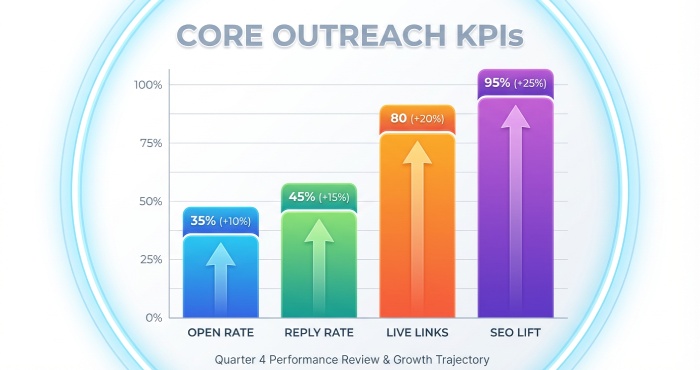
Core KPIs for outreach performance
Track open rate, reply rate, positive outcomes (approved guest post, live backlinks), and time-to-live for each backlink request. Layer on quality metrics: authority link score, domain relevance, and high-quality backlink placement within body copy. Attribute lifts in SEO to specific campaigns by tagging URLs.
SEO impact and business outcomes
Monitor ranking movement for target pages, new referring domains, and search engine optimization metrics such as impressions and click-throughs from Google Search Console. Evaluate referral traffic from backlinks, assisted conversions, and the lift to priority keywords across SEO clusters. This ensures email outreach is tied directly to digital marketing ROI.
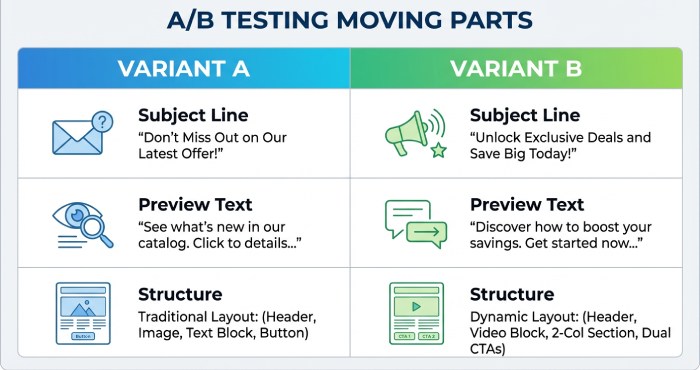
Testing the moving parts
A/B testing the subject line, preview text, and the first two sentences of your cold email. Rotate the outreach template structure (value-first vs. social proof-first), vary the CTA, and compare follow-up email timing for incremental gains. Test content angles—unique angle frameworks, expert insight snippets, or data-led hooks—to learn what your audience and prospects prefer.
Scale with integrity
As you scale a campaign, maintain ethical link building: avoid manipulative link exchange patterns, respect editorial independence, and put readers first. Implement unsubscribes, honor opt-outs, and document content standards for contributors. Train teams to escalate approvals, keep contact details accurate, and ensure your collaboration pipeline creates real mutual benefit.
Process hygiene and feedback loops
Centralize learnings from each collaborator and industry expert, and refine templates monthly. Survey editors for friction points, and share insights in Chanty to close the loop. Build a playbook that keeps your email outreach, link building, and content collaboration both effective and reputation-safe.
FAQs
How many follow-ups are appropriate for a backlink request?
Two to three follow-up email nudges spaced a few business days apart usually maximize reply without straining relationship building. Each touch should add value, such as a refined topic proposal or a quick broken link fix.
What’s the best format for a guest post pitch?
Lead with a value-first outreach template that includes a concise outline, target keywords for SEO, and proof of niche expertise. Add examples of quality content you’ve shipped and confirm you’ll follow their content standards.
Are link exchanges safe for SEO?
Selective, reader-first link exchange tied to real content integration can be acceptable, but scaling it as a tactic risks penalties. Prioritize ethical link building, editorial relevance, and mutual benefit over shortcuts.
How do I improve open rate and reply rate on cold email?
Test the subject line, personalize the first two sentences, and send at local business hours. Keep the ask specific—guest post, resource page addition, or collaboration—and ensure deliverability is solid via tools like Mailtrap.
Which metrics prove ROI from email outreach?
Track new backlinks, authority link quality, and ranking gains in Google alongside referral traffic and assisted conversions. Tie each outcome to the originating campaign and outreach strategy to attribute impact.
What tools help with prospecting and personalization?
Use a blogger outreach tool for prospecting, Google operators for resource page discovery, and enrichment to capture accurate contact details. Centralize notes about the website owner, editor, or resource page manager to tailor pitches.
Key Takeaways
- Lead with value and relevance: make every email outreach about their audience, not just your backlink request.
- Systematize deliverability, personalization, and testing to lift open rate, reply rate, and SEO impact.
- Offer multiple win-wins—guest post, broken link replacement, or content collaboration—to maximize opportunity.
- Measure beyond volume: prioritize authority link quality, high-quality backlink placement, and ethical link building.
- Turn yeses into partnerships with thoughtful follow-up email sequences and ongoing relationship building.