Digital Marketing To Generate Leads In 2026: ABM Tactics, AI Tools, And Conversion Playbooks
Quick Answer
In 2026, digital marketing is no longer just about attracting clicks - it’s about building trust, capturing first-party data, and guiding prospects through increasingly complex and non-linear buyer journeys. With third-party cookies fading away and AI reshaping how users discover information, marketers must adapt to a landscape where personalization, privacy, and precision targeting are essential.
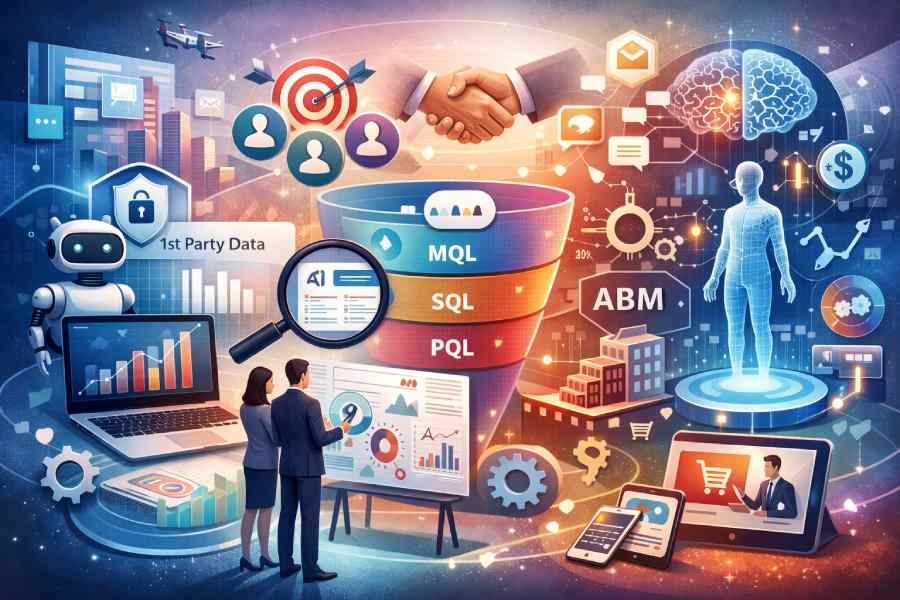
In 2026, digital marketing is no longer just about attracting clicks - it’s about building trust, capturing first-party data, and guiding prospects through increasingly complex and non-linear buyer journeys. With third-party cookies fading away and AI reshaping how users discover information, marketers must adapt to a landscape where personalization, privacy, and precision targeting are essential. This article dives into modern lead generation strategies, including ABM tactics, AI-powered tools, and conversion-focused playbooks, offering a practical roadmap for businesses looking to stay competitive and turn engagement into measurable growth.
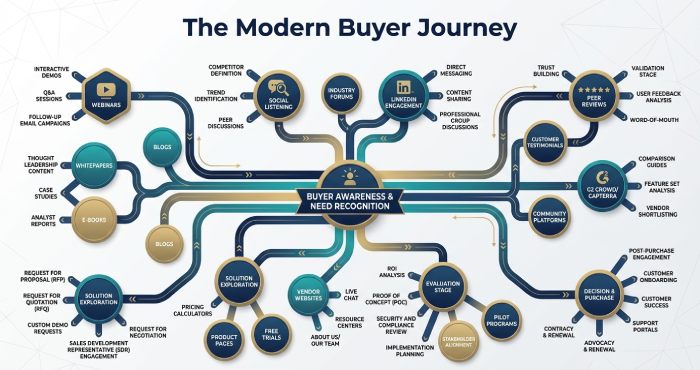
The 2026 lead-gen landscape: privacy shifts, AI gatekeepers, and changing buyer journeys
Privacy, platforms, and AI gatekeepers
Third-party cookies are disappearing, app tracking is throttled, and AI gatekeepers now mediate discovery and recommendations. Generative search experiences from Google and social feeds increasingly summarize answers before clicks, changing how digital marketing can generate leads from organic traffic. The implication for lead generation is clear: own your audience, earn trust with Google’s E-E-A-T, and make first-party data capture the backbone of your channel strategy.
What it means for lead generation
- Build brand awareness and authority with content marketing that satisfies search intent and longtail keywords, backed by Ahrefs research and Google Search Console insights.
- Invest in website optimization (page speed, mobile responsiveness, content updates) and an up-to-date Google Business Profile to sustain search engine optimization visibility.
- Equip your marketing team with AI tools to identify high-quality leads, perform advanced lead scoring, and personalize nurture paths that convert customers without relying on rented audiences.
Micro-shifts to monitor
- AI summarization reduces clicks; boost CTR with clear call to action buttons, compelling blog posts, and lead magnets embedded high on the page.
- Social algorithms prioritize short-form video and user-generated content; use polls and interactive content types on LinkedIn, Instagram, TikTok, Threads, Bluesky, and X to engage prospects earlier in the sales funnel.
Evolving buyer journeys
B2B buyer personas now involve larger committees, consensus-based purchases, and non-linear research spanning webinars, whitepapers, and peer reviews. In parallel, B2C paths blend social listening, creator signals, and community validation. First Page Sage notes that trust content wins in search; the Digital Marketing Institute (DMI) emphasizes customer experience and customer service as core differentiators that generate leads and convert customers.
Tactics snapshot for the marketing team
- Blend inbound marketing and outbound marketing with audience targeting rooted in segmentation, pain points, and topic clusters under defined content pillars.
- Use analytics to map the customer journey from marketing qualified lead (MQL) to sales qualified lead (SQL), product qualified lead (PQL), and service qualified lead, ensuring your marketing team and sales share common definitions.
- Orchestrate email marketing and personalized content with newsletters that nurture prospects, turning high-intent interactions into high-quality leads that convert customers.
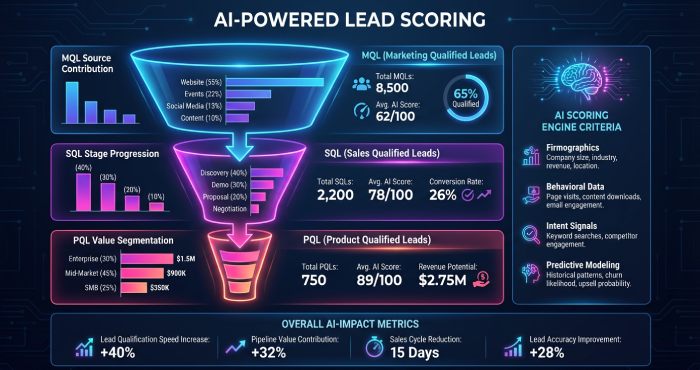
ABM 2.0 strategy: ICP definition, tiering, and buying-committee mapping
Define your ICP with evidence, not opinions
Start with a data-backed ideal customer profile using CRM and CDP insights from HubSpot or NP Digital-style analytics frameworks. Validate firmographics, technographics, and use cases with Answerthepublic queries, Ahrefs keyword gaps, and social listening via Sprout Social to understand pain points and search intent.
Tiering accounts for focus and ROI
Tier 1: high-fit, high-intent accounts with dedicated, personalized plays.
Tier 2: programmatic personalization at scale across content types.
Tier 3: nurture via automated sequences to generate leads efficiently while protecting resources.
Buying-committee mapping and enablement
Identify economic buyers, champions, users, and blockers. Create role-specific messaging, from CTO-level security narratives to admin-level workflow gains. Align ABM content marketing with buyer personas and map objections to content pillars, such as ROI calculators, implementation guides, and customer service SLAs.
Unified qualification framework and lead scoring
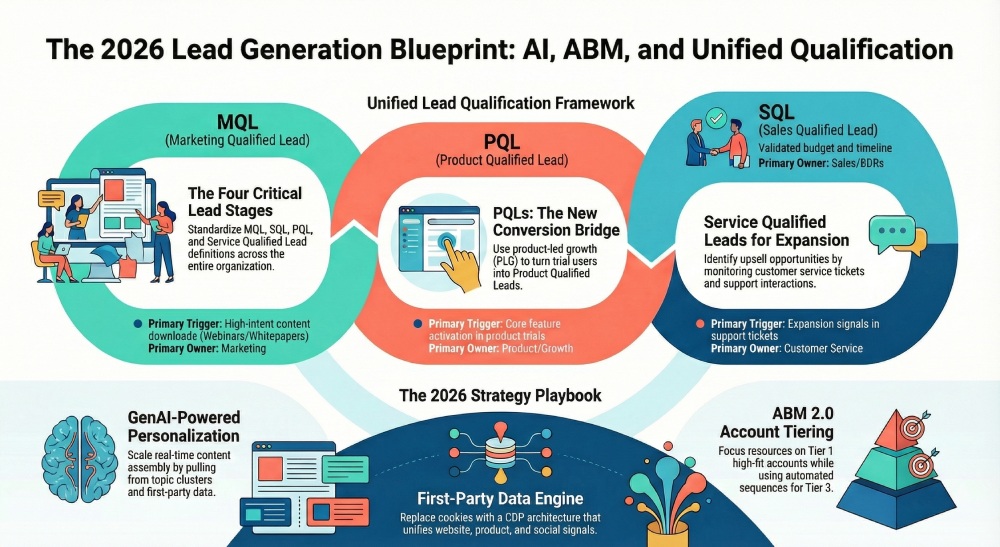
- Marketing qualified lead (MQL): Engaged contacts meeting ICP who request value assets like webinars or whitepapers; use lead scoring that weights content depth and intent signals.
- Sales qualified lead (SQL): Validated prospects with budget and timeline; accelerate with outbound marketing and targeted paid advertising.
- Product qualified lead (PQL): Users who activate core features in trials; route to sales with tailored sequences.
- Service qualified lead: Existing customers signaling upsell or cross-sell needs via support tickets; coordinate with customer service for seamless conversion.
Practical checklist for the marketing team
- Operationalize MQL, SQL, PQL, and service qualified lead definitions inside your CRM.
- Report weekly on lead generation velocity by tier and committee role to help the marketing team convert customers faster.
<img src=“https://media.mailhop.org/nureply/images/2026/03/b2b-email-outreach-7211.jpg” alt=“Lead Qualification Framework
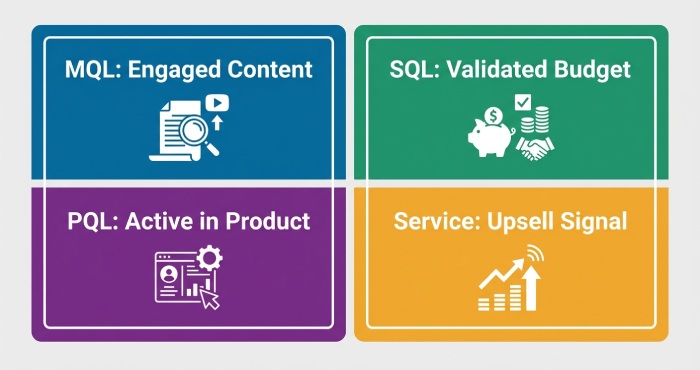
A segmented four-part graphic defining MQL, SQL, PQL, and Service Qualified Leads.
Overlay: “Unifying Lead Qualification” ” width=“700” height=“370” loading=“lazy” />
First-party data engine: consent, CDP architecture, and enrichment hygiene
Consent-first data capture and list management
Design privacy-by-default forms, progressive profiling, and clear consent that respects regulations while helping you generate leads responsibly. Use embedded CTAs in blog posts, lead magnets, and webinars to drive data capture. Maintain list management hygiene with thoughtful segmentation and opt-down choices, preserving customer experience.
CDP architecture that unifies identities
Adopt a CDP that stitches events from website, product, and social into a golden profile. Tools akin to HubSpot’s Smart Lists and custom objects unify account and contact-level data for precise audience targeting and lead nurturing. Feed Google Search Console SEO terms, email marketing engagement, and product telemetry into centralized analytics for better lead scoring.
Data enrichment and hygiene guardrails
- Normalize fields so marketing qualified lead, sales qualified lead, product qualified lead, and service qualified lead stages remain consistent across systems.
- Schedule enrichment updates to avoid stale firmographics and maintain high-quality leads without eroding trust.
AI tools for predictive models and personalization
Leverage AI tools for predictive intent, churn risk, and PQL propensity scoring. Use recommender systems to serve personalized content, dynamic CTAs, and channel selection that enhance customer experience. Following guidance from Digital Marketing Institute and Luke O’Leary at DMI, ensure explainability and bias checks so models support customer service standards as well as revenue goals.
Governance that scales
- Document your content plan, content pillars, and topic clusters to align teams.
- Create runbooks for consent handling, segmentation, and website optimization so the marketing team can reliably generate leads and convert customers.
<img src=“https://media.mailhop.org/nureply/images/2026/03/cold-email-platform-7214.jpg” alt=“Data Unification Architecture
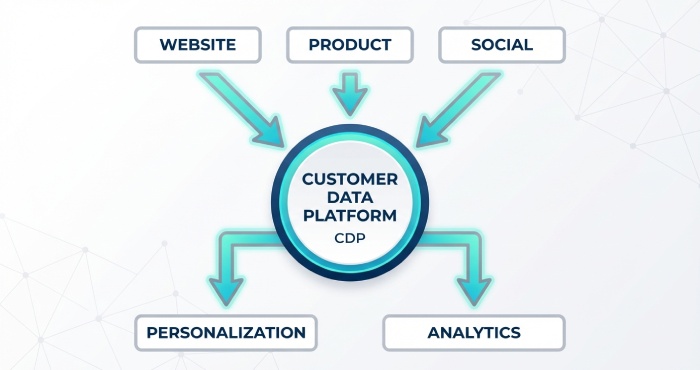
Flowchart illustrating how website, product, and social data feed into a unified Customer Data Platform (CDP).
Overlay: “First-Party Data Pipeline"" width=“700” height=“370” loading=“lazy” />
Intent signals: from search and review sites to product telemetry and predictive intent
Multi-source intent for high-quality leads
Aggregate search engine optimization data (keywords, longtail keywords, and search intent) from Google, Ahrefs, and Google Search Console with social intent from LinkedIn comments, TikTok saves, Threads discussions, Bluesky reposts, and X replies. Add review-site visits, competitor comparisons, and category clicks. For B2B, pair these with product telemetry - feature use, time-to-value, and team invites - to identify product qualified lead patterns and sales qualified lead readiness.
Signal weighting with lead scoring
- Score content touches (webinars, whitepapers, blog posts) higher when tied to ICP pain points.
- Escalate thresholds for marketing qualified lead versus sales qualified lead to protect sales focus and maintain high-quality leads.
- Include customer service interactions as positive or negative signals; high CSAT can indicate service qualified lead potential for expansions.
Predictive intent and conversion readiness
Train propensity models with AI tools using behavioral sequences rather than isolated events. Predict when prospects are ready to convert customers and automate next-best-actions across email marketing, paid advertising, and outbound marketing. First Page Sage benchmarks show trust and depth win; align with Google’s E-E-A-T and GoPro-style user-generated content to fuel social proof.
From research to action
- When Answerthepublic surfaces new questions, produce short-form video answers and distribute them with platform-native CTAs.
- Use polls on LinkedIn and Instagram to validate messaging and refine audience targeting before scaling spend.
<img src=“https://media.mailhop.org/nureply/images/2026/03/automated-email-outreach-7212.jpg” alt=“Multi-Source Intent Radar
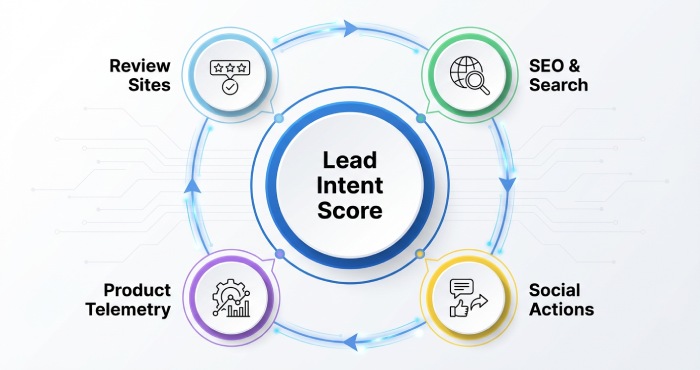
A circular diagram representing different sources of customer intent data converging to score leads.
Overlay: “Aggregating Intent Signals” ” width=“700” height=“370” loading=“lazy” />
Omnichannel orchestration: coordinated plays across paid, owned, and outbound
Playbooks that synchronize teams and channels
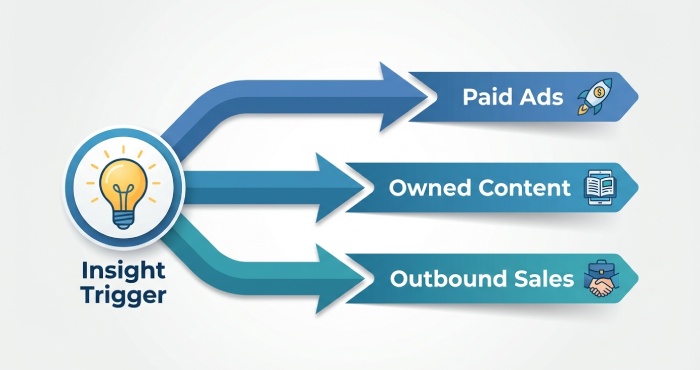
Create integrated plays where a single insight triggers coordinated steps: SEO refresh for a topic, a targeted paid advertising burst, an account-specific email marketing sequence, and a sales follow-up. Use Sprout Social for social listening to time outreach, and structure plays around MQL, SQL, PQL, and service qualified lead stages so your marketing team and sales can convert customers efficiently.
Channel-by-channel execution
- Owned: Optimize page speed, mobile responsiveness, and content updates. Pair newsletters with personalized content based on segmentation to generate leads and improve customer experience.
- Paid: Activate high-intent audiences with precise audience targeting; match ad messaging to landing-page content types and clear call to action for fast conversion.
- Outbound: Equip SDRs with ABM notes, intent recaps, and customer service talking points to reassure prospects.
Measurement and optimization loop
- Attribute impact across the sales funnel with analytics that track movement from marketing qualified lead to sales qualified lead and product qualified lead.
- Use Google, HubSpot, and Ahrefs dashboards to monitor search engine optimization lift, organic traffic, and conversion rates; adjust channel strategy weekly.
Governance and enablement details
- Document playbooks in a shared workspace, with role-based steps and SLAs.
- Train teams quarterly using resources from the Digital Marketing Institute and NP Digital to maintain modern digital marketing practices and continuously generate leads.
The 2026 AI Toolstack: GenAI Personalization, Predictive Scoring, Chat/Agent Automation, and Governance
GenAI Personalization That Scales
Personalized content and offers now calibrate in real time using AI tools that synthesize buyer personas, search intent, and behavioral signals across the customer journey. GenAI engines pull from topic clusters, blog posts, and first-party data capture to dynamically assemble personalized content and orchestrate email marketing with adaptive subject lines and call to action variants. Done well, this elevates lead generation by meeting prospects with relevant assets that address pain points and encourage micro-conversions at every sales funnel stage.
Data and Model Foundations
- Connect Google Search Console, CRM, and product telemetry to unify signals for lead nurturing and website optimization.
- Apply Google’s E-E-A-T and longtail keywords research via Ahrefs and Answerthepublic to inform content pillars and content types that generate leads and build brand awareness.
- Instrument social listening with Sprout Social across LinkedIn, Instagram, TikTok, Threads, Bluesky, and X to refine audience targeting and personalized content.
Predictive Scoring and Intent Models
Predictive lead scoring blends engagement, firmographics, and product usage to prioritize high-quality leads. The models should explicitly map thresholds for marketing qualified lead, sales qualified lead, product qualified lead, and service qualified lead so the marketing team and sales know when and how to act. When calibrated with analytics and channel strategy insights, predictive scoring helps convert customers faster and improves conversion rates across inbound marketing and outbound marketing motions.
Routing and Readiness
- Define a uniform scoring rubric for marketing qualified lead versus sales qualified lead using HubSpot or similar AI tools with transparent features and thresholds.
- Incorporate product qualified lead indicators from in-app behavior to accelerate PLG motions.
- Use service qualified lead signals from customer service interactions to surface expansion opportunities and reduce churn, improving overall customer experience.
Chat and Agent Automation
Autonomous chat agents now triage FAQs, qualify prospects, and book meetings, improving customer service while freeing the marketing team for strategy. They can proactively surface lead magnets, webinars, and whitepapers, capture intent with polls, and guide visitors through interactive assets. Deployed on mobile responsiveness-first pages with strong page speed, these agents increase lead generation and generate leads during off-hours without sacrificing brand voice.
Human-in-the-Loop Governance
- Create escalation rules so complex inquiries route to human agents for a premium customer experience.
- Maintain an auditable knowledge base reviewed by the Digital Marketing Institute (DMI) best practices and NP Digital-style playbooks.
- Document prompt, model, and content updates with role-based access and SOC2/GDPR controls.
Conversion Playbooks: Offers, Interactive Assets, PLG Bridges, and Landing-Page CRO
Offers and Lead Magnets
High-intent offers still anchor lead generation: checklists, ROI calculators, and industry whitepapers packaged with clear call to action. Align offers to content plan milestones and content pillars, and promote them through Nureply campaigns, social media, and newsletter placements to attract organic traffic while supplementing with paid advertising. Research from First Page Sage on search engine optimization shows that sustained SEO and strong search intent alignment can compound conversions over time while reducing customer acquisition costs (CAC).
Interactive and Short-Form Formats
- Use interactive quizzes and short-form video to capture data seamlessly and surface buyer personas and segmentation insights.
- Highlight user-generated content from brands like GoPro to validate outcomes and convert customers with social proof.
PLG Bridges to Product Qualified Lead
Product-led experiences convert prospects by letting them self-serve into value. Offer time-bound trials, feature gates tied to onboarding checklists, and in-app nudges that turn a curious user into a product qualified lead. Combine in-app education, contextual tooltips, and email marketing cadences to generate leads and drive conversion without heavy sales touch, while keeping customer service ready to assist.
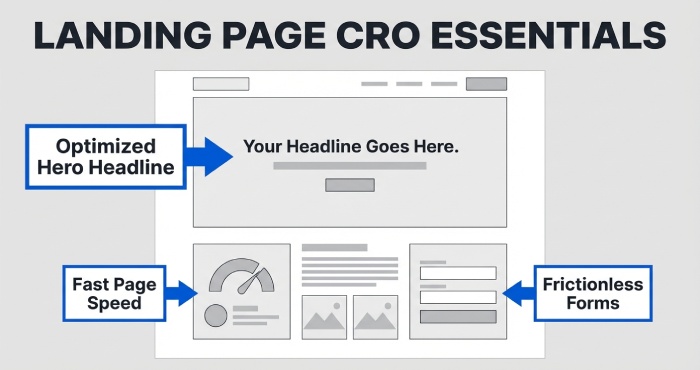
Landing-Page CRO Essentials
- Optimize page speed, layout hierarchy, and accessibility to improve conversion.
- Test headline/hero, benefit bullets, and form friction; align messaging to search intent and Google’s E-E-A-T signals.
- Local B2B? Maintain an accurate Google Business Profile for credibility and queries with commercial intent.
Micro-Conversion Details
- Progressive profiling reduces friction while enhancing list management quality.
- Multi-step forms increase perceived commitment and surface service qualified lead triggers.
Sales-Marketing Alignment: SLAs, Handoffs, BDR Sequences, and Enablement
SLAs and Definitions that Stick
Codify definitions for marketing qualified lead, sales qualified lead, product qualified lead, and service qualified lead with explicit SLAs. Agree on lead scoring cutoffs, required enrichment fields, and acceptable response times so the marketing team and BDRs can convert customers while the prospects are warm. Tie SLAs to dashboards visible to marketing, sales, and customer service to protect the customer experience.
Handoffs and Data Hygiene
- Automate handoffs with validated data capture, enrichment, and deduplication to preserve high-quality leads.
- Use segmentation rules that route PLG signals to product specialists and service qualified lead signals to account managers.
Feedback Loops
- Feed lost reasons and objection patterns from customer service into content marketing to improve inbound marketing assets and outbound marketing scripts.
- Quarterly reviews refine the sales funnel and reduce leakage.
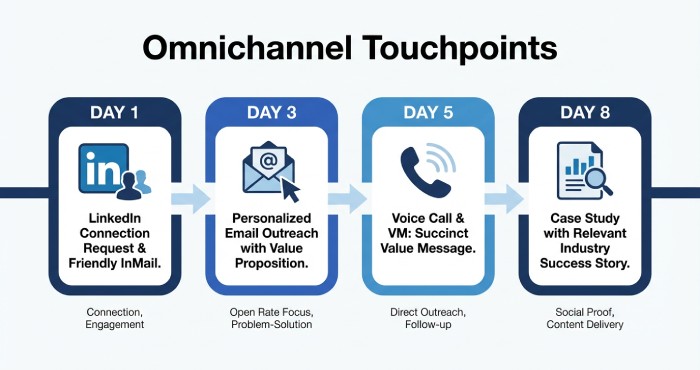
BDR Sequences and Omnichannel Touching
Sequences should coordinate LinkedIn voice notes, email marketing, and light calling with value-forward assets: case-study blog posts, webinars, or interactive calculators. Use AI tools to personalize first touches at scale, but keep compliance tight and respect opt-in for a better customer experience. Social listening identifies timely triggers, while platform best practices from HubSpot, Sprout Social, and guidance by practitioners like Luke O’Leary raise reply rates.
Sales Enablement That Converts
- Equip teams with objection-handling cards, competitive one-pagers, and PLG playbooks mapped to buyer personas.
- Centralize assets in a searchable portal; ensure website optimization mirrors sales narratives for consistency and faster conversion.
Measurement and Attribution in 2026: ABM Metrics, Experimentation, and AI Forecasting
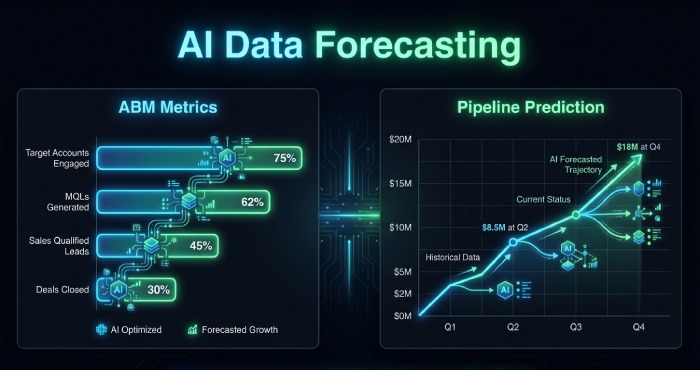
ABM and Pipeline Metrics
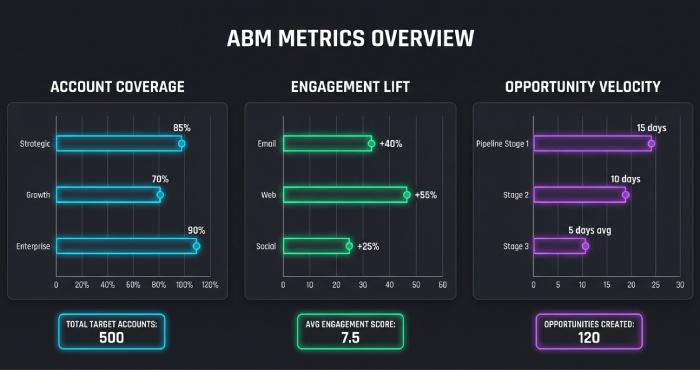
Account-based metrics coverage, engagement lift, meeting rates, and PQL-to-SQL conversion anchor revenue reporting. Attribute influence across SEO-driven organic traffic, paid advertising, and social media touchpoints using multi-touch models in HubSpot and analytics ware. Reference First Page Sage for channel ROI benchmarks and validate SEO gains in Google Search Console.
Experimentation at the Core
- Institutionalize test-and-learn: landing pages, email subject lines, CTAs, and content types.
- Use Ahrefs and Answerthepublic to spot emerging topic clusters; feed results into content updates and channel strategy.
AI Forecasting and Data Integrity
AI tools forecast pipeline by blending intent scores, cohort velocity, and macro trends, helping teams staff correctly and allocate budget. Maintain governance with versioned datasets, clear data lineage, and periodic bias checks to ensure high-quality leads are recognized consistently as marketing qualified lead, sales qualified lead, product qualified lead, or service qualified lead.
Reporting and Review
- Monthly executive reviews track CAC, LTV, and time-to-close.
- Dashboards roll up segment-level performance to prevent overfitting to a single persona or channel.
90-Day Rollout Plan: Budgets, KPIs, Compliance, and Risk Management
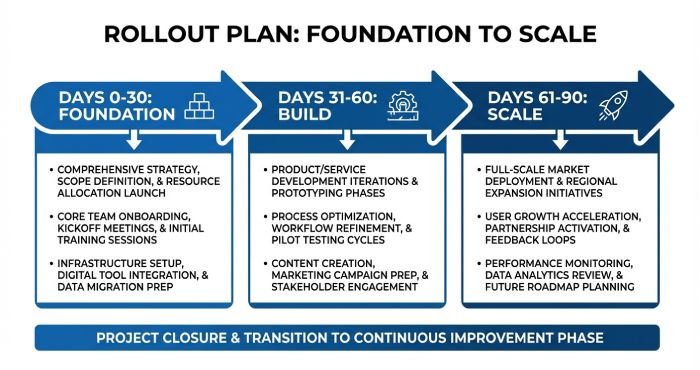
Days 0-30: Foundation and Fast Wins
- Audit: channel strategy, content plan, list management, and website optimization for page speed and mobile responsiveness.
- Pick AI tools for personalization, lead scoring, chat agents, and analytics; integrate with CRM (e.g., HubSpot).
- Launch two lead magnets and one interactive asset; spin up a newsletter refresh to generate leads quickly.
Budget and KPI Setup
- Allocate spend across SEO, paid advertising, and PLG onboarding; reserve testing funds for experiments.
- KPIs: MQL volume and quality, PQL creation rate, SQL acceptance, and conversion by segment.
Tool and Skills Readiness
- Train the marketing team and customer service on prompts, governance, and escalation paths.
- Document E-E-A-T guidelines and content governance aligned with Digital Marketing Institute standards.
Days 31-60: Build and Orchestrate
- Deploy predictive lead scoring with clear thresholds for marketing qualified lead, sales qualified lead, product qualified lead, and service qualified lead.
- Launch BDR sequences across LinkedIn and email marketing; refine audience targeting using social listening.
- Expand PLG experiences; add in-app nudges and webinars for activation.
Compliance and Risk Controls
- Audit consent flows, cookie banners, and retention policies; update privacy notices.
- Stress-test chat agents for hallucinations and escalation accuracy; maintain human oversight to protect customer experience.
Days 61-90: Scale and Optimize
- Implement multi-touch attribution; instrument dashboards for ABM and cohort analysis.
- Iterate landing-page CRO, search engine optimization, and content types tied to buyer personas and topic clusters.
- Publish case-study blog posts; leverage user-generated content and polls to increase engagement on Instagram, TikTok, and X.
Executive Review and Next Quarter Planning
- Rebalance budgets to channels driving high-quality leads and faster conversion.
- Set next-quarter targets; bake learnings into content updates and outbound marketing cadences to continually generate leads and convert customers.
FAQs
How should we prioritize AI tools for lead generation in 2026?
Start with genAI personalization, predictive lead scoring, and chat/agent automation that integrate with your CRM. Layer governance and analytics next so high-quality leads are classified correctly as a marketing qualified lead, sales qualified lead, product qualified lead, or service qualified lead.
What’s the best way to align sales and the marketing team around MQL, SQL, PQL, and SQL definitions?
Create a service level agreement (SLA) with shared definitions, routing rules, and time-to-first-touch commitments. Review performance monthly and feed objections from customer service back into content marketing and BDR scripts.
How do PLG bridges help convert customers faster?
PLG bridges reduce friction by letting prospects experience value in-product, triggering product qualified lead events. In-app education, targeted email marketing, and timely offers then guide users to paid conversion.
Which metrics matter most for ABM in 2026?
Track account coverage, engagement lift, meeting creation, PQL-to-SQL rates, and opportunity velocity. Use multi-touch attribution in tools like HubSpot and validate channel impact with Google Search Console and other analytics.
How can we ensure compliance with AI-driven personalization?
Maintain consent logs, data minimization, and human-in-the-loop review for automated decisions. Document models, prompts, and content governance aligned with DMI and E-E-A-T guidelines.
What channels still drive organic traffic and brand awareness cost-effectively?
SEO-led content anchored in topic clusters and longtail keywords remains foundational. Supplement with social media and user-generated content on platforms like LinkedIn, Instagram, TikTok, and X to expand reach.
Key Takeaways
- Use AI tools for genAI personalization, predictive lead scoring, and chat automation to scale lead generation while protecting customer experience.
- Define and operationalize marketing qualified lead, sales qualified lead, product qualified lead, and service qualified lead to route high-quality leads efficiently.
- Build conversion playbooks with compelling offers, interactive assets, PLG experiences, and disciplined landing-page CRO.
- Align sales and the marketing team with SLAs, clean handoffs, and omnichannel BDR sequences to convert customers faster.
- Measure with Account based marketing (ABM) metrics, experimentation, and AI forecasting; execute a 90-day plan that balances budget, KPIs, compliance, and risk.
Topics
Content Team
The NuReply content team. AI-powered cold email outreach platform by DuoCircle.
Ready to scale your cold email outreach?
AI-powered personalization that gets replies. Start free - no credit card required.