Understanding What Are Outbound Leads: Key Definitions and Examples
Quick Answer
Understanding outbound leads is essential for any business looking to grow its customer base proactively. Unlike inbound leads, which come to you naturally, outbound leads are the prospects you intentionally reach out to through targeted strategies. These efforts may include cold emails, calls, ads, or direct outreach campaigns.
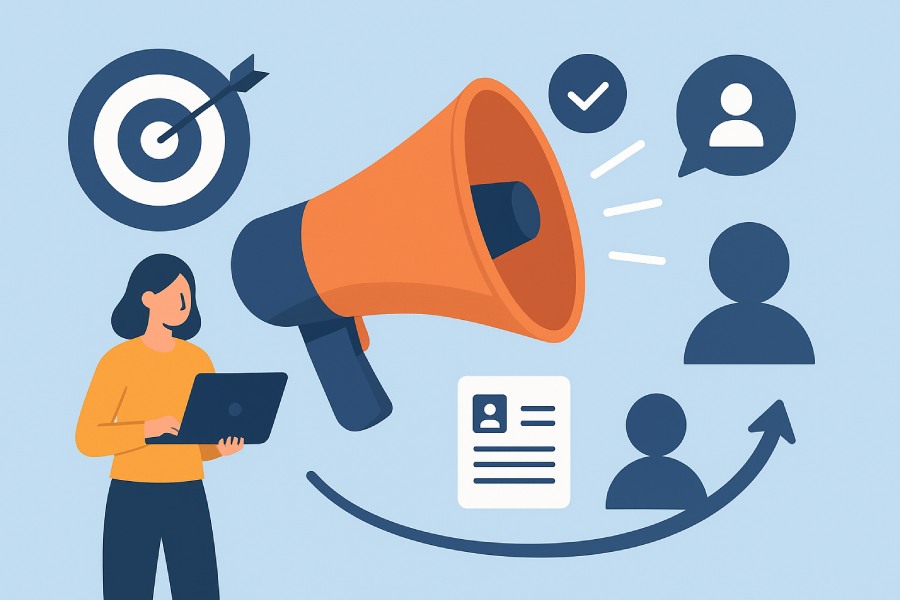
Understanding outbound leads is essential for any business looking to grow its customer base proactively. Unlike inbound leads, which come to you naturally, outbound leads are the prospects you intentionally reach out to through targeted strategies. These efforts may include cold emails, calls, ads, or direct outreach campaigns.
In today’s fast-paced business landscape, companies use outbound lead generation to quickly fill their sales pipeline and discover high-value prospects. But what exactly qualifies as an outbound lead - and how does it work? In this guide, we break down the core definitions, real-world examples, and why outbound leads still matter. Get ready to understand the fundamentals and strengthen your lead-generation strategy.
Defining Outbound Leads: A Clear Explanation
In B2B marketing, an outbound lead refers to a potential customer proactively identified and contacted by a company through a direct outreach effort. Unlike inbound leads - which come to you organically via channels like SEO, blogging, or content marketing - outbound leads originate from targeted efforts initiated by your sales or marketing team.
These efforts could include cold calling, cold emails, direct mail, display advertising, or social media outreach. For instance, if a sales development representative (SDR) at Blend B2B researches and contacts decision-makers at a target company with a personalized outreach email, those responses qualify as outbound leads.
Whether the approach is via a mass email campaign to large segments, a LinkedIn outreach to CFOs, or a tailored letter to high-value prospects at enterprise accounts, the defining characteristic is this: the company initiates the engagement. This outbound channel allows organizations to reach segments of their target audience that might not yet be engaged with their inbound traffic.
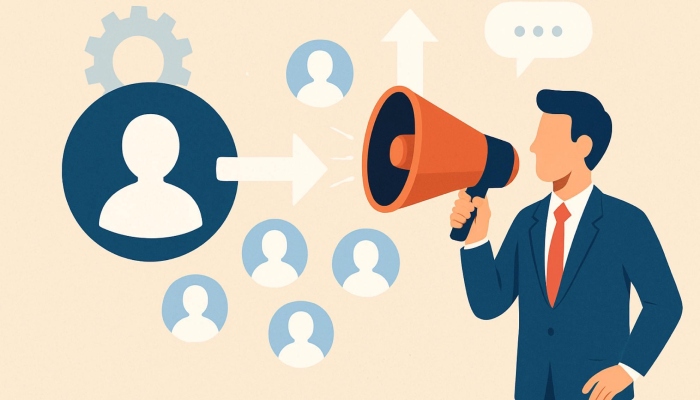
Outbound vs. Inbound Leads: Understanding the Difference
Inbound Lead Definition and Process
Inbound leads are generated when a potential customer reaches out to you, often as the result of inbound lead generation tactics such as SEO, organic traffic, content marketing (like blogging or webinars), and social media. According to HubSpot, these prospects typically discover your business when searching for solutions, reading evergreen content, or subscribing to your content, then provide their contact information, often in exchange for marketing assets like a white paper, webinar signup, or sales demo.
Outbound Lead Characteristics
Conversely, an outbound lead is identified and contacted based on a predetermined ideal customer profile (ICP) or segmentation strategy. Outbound lead generation involves methods such as cold calling, sending cold emails, paid ads, programmatic advertising, display advertising, direct mail, and executing targeted social media outreach campaigns on platforms like LinkedIn.
The lead generation strategy here is built on targeted outreach and direct engagement - often called interruption marketing because it interrupts the prospect’s current focus with a new message.
Key Differences
Initiator and Motivation:
- Outbound leads arise from deliberate, company-initiated actions, targeting specific segments of the market.
- Inbound leads result from prospects’ own buyer research or engagement with inbound channels.
Lead Gen Methods:
- Outbound relies on direct outreach (cold calls, cold emails).
- Inbound leans on organic mechanisms (SEO, content marketing, inbound traffic).
Engagement Journey:
- Outbound leads usually require more lead nurturing, as they may not have demonstrated intent before initial contact.
- Inbound leads typically enter the sales pipeline further along in the buyer’s decision making process.
Asset Use and Cost Profile:
- Outbound campaigns often have a short & high cost but can drive rapid pipeline growth.
- Inbound methods generate compound returns through trusted brand recognition and long-term ROI.
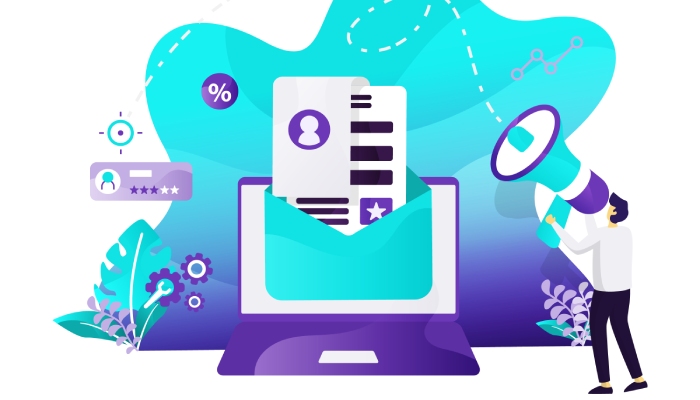
The Importance of Outbound Leads in Modern Sales
Outbound lead generation remains vital for contemporary B2B marketing, especially among companies focused on account-based marketing, market penetration, and rapid revenue generation. Firms like Indeed and Revenue.io emphasize the importance of outbound campaigns for reaching target companies that fit their ideal customer profile but may not be actively seeking solutions.
Unlocking New Markets and Segments
An effective outbound channel helps enterprises reach new segments, increase market penetration, and connect with high-value prospects in enterprise accounts. For instance, a sales team pursuing CFOs at mid-market SaaS companies might never reach those key decision-makers through inbound channels alone. Outbound efforts, such as targeted LinkedIn outreach or intentional direct mail campaigns, bridge that gap.
Balancing Pipeline Growth & Risk
Outbound lead generation is fundamental for pipeline growth, especially if existing inbound traffic is insufficient. Although it can involve higher upfront campaign costs and a higher risk level per contact (e.g., cold calls might be ignored), the approach remains highly controllable, allowing companies to target the accounts and segments most critical for their revenue goals.
Complementing Inbound Efforts
While inbound lead generation builds long-term brand equity, outbound lead gen tactics accelerate sales cycles, create immediate sales opportunities, and boost short-term revenue. Effective outbound strategies align with overall lead generation strategy to create a healthy balance of contacted prospects and lead nurturing opportunities across the sales pipeline.
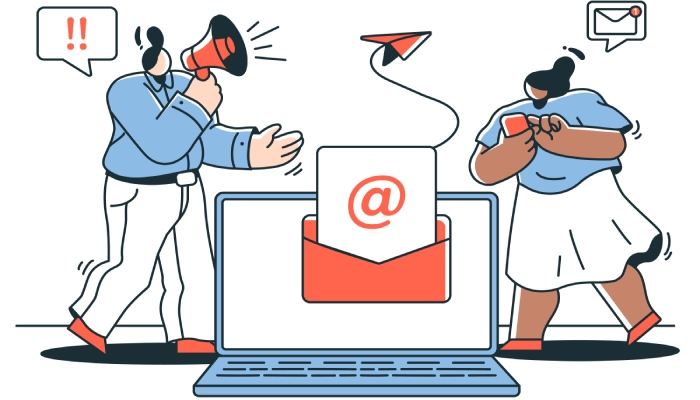
The Outbound Lead Generation Process: Overview
The outbound lead generation process starts with defining your ICP and segments, then orchestrates a series of targeted outreach activities designed to initiate contact, exchange information, and guide prospects into the buying journey.
Step 1: Segmentation and Targeting
Identify your ideal customer profile and create target segments. For instance, an account-based marketing approach may focus on key accounts or enterprise opportunities. Segmentation is critical to ensure efficiency and relevancy.
Step 2: Prospecting and List Building
Sales teams or SDRs use tools like LinkedIn, RAIN Group databases, or manual research to build a contact list of decision-makers who fit the ICP. Effective prospecting increases the conversion rate by focusing only on qualified leads.
Step 3: Direct Outreach via Outbound Channels
Companies then deploy a mix of outbound channels:
- Cold calling and cold calls: SDRs call target prospects, often using researched talking points to spark conversations.
- Cold emails and email campaigns: Marketing teams send personalized or mass emails, often leveraging marketing automation systems.
- Direct mail: Sending attention-getting packages or letters, a classic B2B tactic still effective for C-suite targets.
- Display advertising and paid ads: Investment in intent-based ads, often using paid delivery mechanisms to reach decision-makers at target companies.
- Social media outreach: Engaging prospects directly through platforms like LinkedIn, either via mass outreach or personalized InMail messages.
Step 4: Lead Nurturing and Qualification
Once initial contact is made, leads enter the nurturing phase. The sales team follows up with useful marketing assets - such as case studies, webinars, and personalized outreach powered by Nureply - to educate prospects and advance them through the sales cycle. This stage also involves assessing buyer behaviour, understanding the decision-making process, and qualifying leads further to ensure proper fit.
Step 5: Opportunity Creation and Handover
Qualified outbound leads are handed from SDRs to account executives or the core sales team for deeper engagement - typically culminating in a sales demo, negotiation, and, ultimately, facilitating purchase decisions.
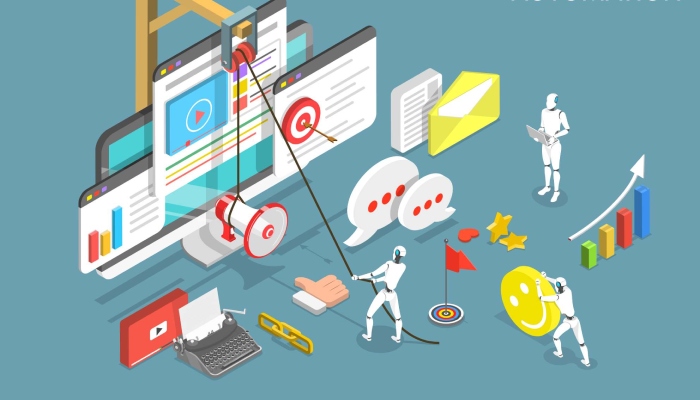
Key Characteristics of Outbound Leads
Outbound leads share several defining features, setting them apart from their inbound counterparts. Understanding these characteristics helps sales and marketing teams tailor their outreach and lead nurturing efforts:
- Proactively Identified: Outbound leads are selected based on firmographic and demographic data, assessed against the ICP. B2B enterprises use buyer research, account scoring, and segmentation to select high-value prospects.
- Initiated via Direct Outreach: These leads result from targeted outreach - whether through cold calls, personalized cold emails, LinkedIn outreach, or display advertising. Contact is not initiated by the customer or prospect, but by the sales team.
- Multi-Channel Engagement: Outbound lead generation leverages a mix of outbound channels - phone, email, direct mail, social platforms, and paid delivery mechanisms - to increase touchpoints and conversion opportunities.
- Varying Levels of Intent: Unlike inbound leads, outbound leads may not exhibit prior buying intent. Effective lead gen strategies must include persuasive messaging, relationship building, and ongoing lead nurturing to convert these prospects.
- Emphasis on Targeted Segmentation: Outbound leads are carefully aligned with the firm’s segmentation, ensuring outreach is focused on those most likely to benefit from the product or solution.
- Pipeline-Driven: Their primary value lies in accelerating pipeline growth and creating net new sales opportunities - making outbound indispensable for organizations aiming to expand into new markets or bolster existing sales.
- Shorter Feedback Loop: Because outbound efforts are fully trackable - from email campaign response rates to direct mail engagement - sales teams can rapidly adjust their tactics, optimize campaign assets, and respond to buyer behaviour in real time.
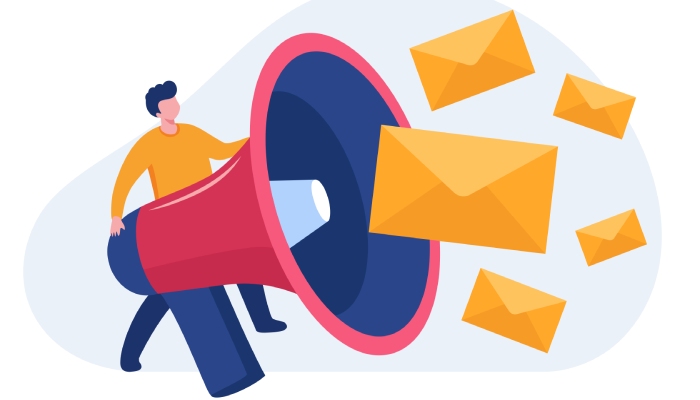
Types of Outbound Leads: B2B vs. B2C Approaches
The framework for outbound lead generation diverges significantly between B2B and B2C markets, shaping how organizations construct their lead gen tactics and connect with prospective clients. A sophisticated understanding of these differences is essential for effectively deploying outbound lead generation strategies.
B2B Outbound Lead Generation
B2B marketing relies heavily on targeted outreach, focusing on high-value prospects that align with a well-defined ideal customer profile (ICP). SDRs and sales teams often use outbound channels like cold calling, cold emails, LinkedIn outreach, and direct mail, aiming to engage decision-makers - CFOs, CEOs, procurement leads, or VPs - within target companies.
The B2B sales cycle typically involves multiple stakeholders, complex purchase decisions, and a concerted emphasis on relationship building through trusted communication and information exchange.
Account-based marketing (ABM) is a pivotal lead generation strategy in the B2B space, enabling segmented, personalized outreach to enterprise accounts or high-growth segments. Tools like Blend B2B and HubSpot are instrumental in orchestrating these campaigns, ensuring relevant marketing assets and messaging reach target audiences effectively.
B2C Outbound Lead Generation
In contrast, outbound lead generation for B2C markets tends to prioritize scale and broader market penetration. Channels like display advertising, paid delivery mechanisms, mass email campaigns, direct mail, and social media outreach are optimized for quick, wide-reaching impact.
The buyer behaviour here is generally more impulsive, purchase processes are faster, and the influence of emotion is often higher compared to data-driven decisions in B2B. Short & high cost campaign assets, programmatic advertising, and retargeting can be powerful ways to generate inbound traffic that convert into outbound leads.
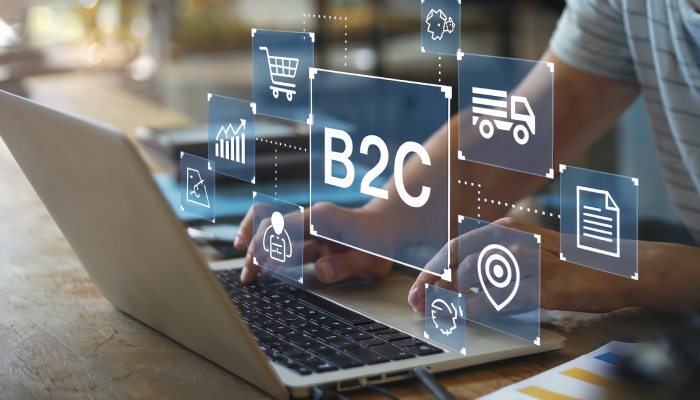
Main Channels Used for Outbound Lead Generation
Organizations seeking pipeline growth leverage multiple outbound lead generation channels to reach their ideal customer profile and drive new business. Each channel offers distinct advantages and risk levels, and selecting the right mix is foundational for an effective lead gen strategy.
Cold Calling and Cold Emails
Cold calling remains a central direct outreach method, especially for B2B prospecting. The sales team systematically contacts prospects who fit the targeted ICP but may have had little or no previous interaction with the brand. Revenue.io and RAIN Group emphasize the importance of structured, value-focused phone conversations to overcome interruption marketing challenges and spark lead nurturing.
Cold emails - ranging from personalized notes to carefully crafted mass email sequences - enable organizations to scale their outreach. Highly targeted email campaigns can capture decision-makers’ attention, deliver key marketing assets, and prompt responses that initiate meaningful sales opportunities.
Social Media Outreach
Platforms like LinkedIn provide powerful outbound channels for B2B marketing, offering granular segmentation and direct insights into target companies and their decision-makers. LinkedIn outreach is particularly useful for connecting with enterprise accounts and B2B prospects through personalized outreach, content sharing, and engagement. Social channels such as Facebook, Instagram, and Twitter are more prevalent in B2C spaces but can supplement B2B lead gen tactics through sponsored posts and proactive messaging.
Display Advertising and Paid Delivery Mechanisms
Display advertising, paid ads, and intent-based ads on platforms like Google provide organizations with broad market reach and precise targeting. These paid delivery mechanisms enable companies to create awareness, engage website visitors, and drive conversions from segments that demonstrate buying intent. Programmatic advertising further enhances efficiency, automating ad placement to maximize campaign costs and cost profile.
Direct Mail
Despite the rise of digital channels, direct mail remains an effective component of outbound lead generation, especially in B2B contexts. Sending personalized physical materials to targeted lists of decision-makers can break through digital noise and demonstrate a commitment to trusted relationships. When combined with digital follow-ups, direct mail delivers higher conversion rates and helps maintain prospect engagement throughout the sales cycle.
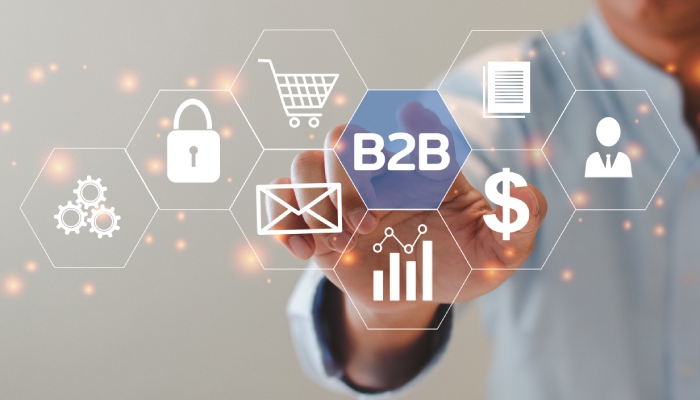
Common Outbound Lead Generation Strategies
A robust outbound lead generation framework utilizes a blend of lead gen methods and tactics to optimize for pipeline growth, opportunity creation, and long-term ROI.
Target Account Selling
Central to B2B marketing, this approach leverages buyer research and segmentation to identify high-value target companies. Sales teams develop a deep understanding of the organizational structure, pain points, and purchase process within each account. The resulting prospecting is surgical - aimed at key decision-makers and tailored with relevant marketing assets for each stage of the sales cycle.
Multi-Channel Campaigns
Effective outbound lead generation requires outreach across multiple channels. For example, a synchronized sequence might begin with a cold email, followed by a LinkedIn outreach message, a cold call, and finally a direct mail piece. This strategy ensures the message penetrates preferred outbound channels and boosts information exchange with the target audience.
Event-Driven Outreach
Participation in webinars, industry events, or conferences presents an opportunity for targeted outreach to attendees fitting the ICP. Post-event email campaigns or direct outreach can convert this interest into qualified leads, supported by offering relevant campaign assets or a sales demo.
Segmented Messaging
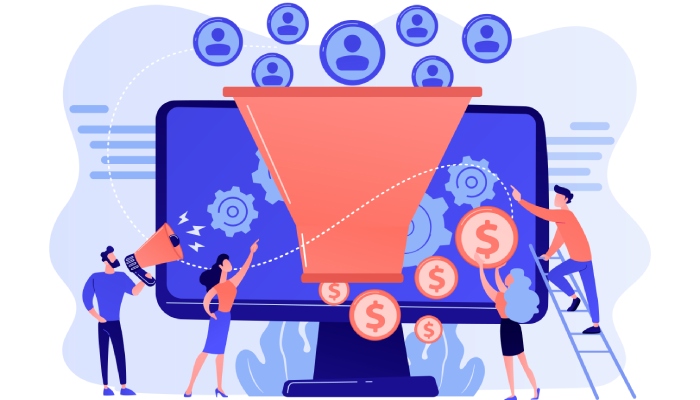
Personalized outreach is critical for moving outbound leads from mere contacts to sales opportunities. Leverage segmentation tools to divide the market by industry, company size, job title, or behavioral traits, and align messaging to resonate with the segment’s challenges. This approach increases engagement and drives up conversion rates throughout the sales pipeline.
Qualifying Outbound Leads: Criteria and Methods
Identifying which outbound leads are most likely to become qualified leads underpins any successful outbound lead generation program. Key qualification criteria include:
- Alignment with the ideal customer profile (ICP) in terms of budget, authority, need, and timing
- Demonstrated interest or response to initial contact (e.g., positive reply to cold calls or email campaigns)
- Authority to make or influence the purchase decisions within their organization
Qualification Methods
1. Discovery Calls and Cold Calling
Having an initial conversation via cold calling allows sales teams to uncover needs, understand the decision making process, and assess lead fit. Questions are tailored to surface pain points, budget readiness, and urgency.
2. Lead Scoring
Automated lead scoring models, such as those powered by HubSpot or Blend B2B, use firmographics, engagement data, and interaction signals to prioritize outbound leads within the sales funnel.
3. Progressive Profiling
Gradual collection of contact information and business data through forms, surveys, or gated marketing assets - such as downloading a whitepaper following a cold email campaign - builds a clearer qualification picture over time.
Examples of Outbound Lead Generation in Action
Understanding theory is essential, but witnessing outbound lead generation in practice sheds light on its real-world impact.
Example 1: LinkedIn Outreach for Enterprise Software (B2B)
A SaaS provider targeting enterprise accounts develops a lead generation strategy focused on CFOs and IT decision-makers in the financial sector. Using LinkedIn Sales Navigator, SDRs build targeted outreach campaigns that combine personalized LinkedIn outreach, cold emails crafted with content marketing insights, and follow-up cold calls. The team achieves significant market penetration among target companies, filling the sales pipeline with qualified leads ready for sales demos.
Example 2: Direct Mail & Email Sequence for Industrial Equipment (B2B)
An industrial equipment company identifies its ideal customer profile - manufacturing directors at mid-sized firms. The marketing team sends personalized direct mail kits, featuring an executive summary and relevant campaign assets. Two days after delivery, SDRs make follow-up cold calls and send targeted email campaigns, leading to a spike in booked meetings and high conversion rates.
Example 3: Display Advertising and Mass Email for Consumer Electronics (B2C)
In a B2C context, a consumer electronics retailer launches display advertising and intent-based ads to segments with recent search activity on Google. Simultaneously, a mass email campaign prompts website visitors to join a flash sale webinar. This blend of paid delivery mechanisms and outbound gen methods results in a rapid influx of qualified leads and immediate sales uplift.
By employing these diverse outbound lead generation methods, organizations of all sizes - from startups to global enterprises - can accelerate opportunity creation, supplement inbound lead generation, and achieve sustainable pipeline growth.
Outbound Lead Generation Tools and Technologies
Essential Outbound Lead Generation Platforms
Modern B2B marketing relies heavily on robust tech stacks to streamline outbound lead generation. Sales teams often utilize customer relationship management (CRM) platforms such as HubSpot or Salesforce to centralize prospect data, track engagement, and automate outreach. These tools allow for efficient segmentation of contacts according to an ideal customer profile, making targeted outreach more precise.
Platforms like LinkedIn and specialized solutions like LinkedIn Sales Navigator empower SDRs with advanced online prospecting capabilities and LinkedIn outreach, enabling access to decision-makers at target companies and enterprise accounts. This helps refine market penetration strategies and supports account-based marketing initiatives for high-value prospects.
Automation, Enrichment, and Outreach Tools
To scale outbound lead efforts, automation tools are essential. Solutions such as Revenue.io and Blend B2B facilitate automated cold calls, cold emails, and mass email campaigns tailored for B2B prospecting. These technologies reduce manual workloads and enable multi-channel cadences, including email campaigns, direct mail, and social media outreach.
Lead enrichment platforms - like ZoomInfo and Clearbit - help pull accurate contact information and gather buyer research data. This ensures personalized outreach aligns closely with the ideal customer profile (ICP) and supports data-driven lead nurturing throughout the sales cycle.
Analytical, Advertising, and Tracking Solutions
Display advertising and paid delivery mechanisms are critical for building awareness among segments of your target audience. Google Ads and programmatic advertising platforms support intent-based ads and paid ads by allowing for granular targeting and campaign tracking.
Sophisticated analytics tools integrate with outbound channels to monitor the performance of contact touchpoints. Customized dashboards measure campaign assets’ effectiveness and channel-specific metrics, enabling optimal allocation of resources and continuous pipeline growth.

Best Practices for Effective Outbound Lead Generation
Refine Targeting with ICP and Segmentation
Maximize campaign assets and outreach efforts by refining the ideal customer profile using both quantitative (firmographic) and qualitative (buyer behaviour) data. Implement precise segmentation of target markets, tailoring lead gen methods for enterprise, midmarket, and SMB segments. This allows you to target companies with the greatest propensity to convert.
Orchestrate Multi-Channel Outreach
Employ a coordinated outbound strategy that leverages cold calling, cold emails, display advertising, direct mail, and social media outreach. Use LinkedIn outreach for B2B, supplement with paid ads for inbound traffic capture, and consistently deliver value through content and webinars. Multi-channel sequencing increases engagement, opportunity creation, and accelerates the sales cycle.
Personalize Messaging and Focus on Relationship Building
Outreach efforts should shift from “selling versus helping” toward problem solving and aiding decision-making processes. Utilize personalized outreach that demonstrates understanding of the prospect’s business and needs - helping buyers on their purchase journey fosters trusted relationships and builds advocacy for your brand.
Strong Alignment Between Sales and Marketing Teams
For optimal pipeline growth and lead nurturing, the sales team and marketing team must collaborate closely. Shared definitions, goals, and campaign assets ensure a seamless lead handoff and higher conversion rates from outbound leads to closed-won deals.
Continuous Testing and Optimization
A/B test messaging, channels, and timing across all outbound campaigns. Analyze performance to identify high-performing segments, shorten sales cycles, streamline prospecting, and drive more qualified leads.
FAQs
What is outbound lead generation and how does it differ from inbound lead generation?
Outbound lead generation involves proactive techniques - like cold calling, cold emails, and direct mail - reaching out to prospects who may not yet know about your business. Inbound lead generation, on the other hand, attracts leads who discover you through SEO, content marketing, or organic traffic. Outbound leads are generated through direct outreach, while inbound leads come from those actively seeking your solutions.
Which outbound channels are most effective for B2B marketing?
The most impactful outbound channels for B2B marketing often include cold emails, cold calling, LinkedIn outreach, and targeted display advertising. Successful strategies typically blend these with social media outreach and periodic direct mail to create multi-channel touchpoints tailored to the target audience.
How do you personalize outbound lead outreach at scale?
By leveraging automation platforms that enable segmentation and dynamic content insertion based on ICP and buyer research, companies can deliver personalized outreach efficiently. Tools like HubSpot, Revenue.io, and Blend B2B help balance scale with tailored messaging, ensuring outreach is relevant to the contacted prospects.
What metrics best indicate outbound campaign success?
Key metrics to monitor are response rates, qualified leads generated, conversion rates along the sales pipeline, and pipeline growth attributed to outbound channels. Tracking these Key Performance Indicator(KPIs) over time helps optimize outbound lead generation strategy and pipeline creation.
How can organizations overcome data quality issues in outbound lead generation?
Regularly updating contact information, using enrichment platforms, and validating data across multiple sources ensure outreach efforts target accurate, relevant prospects. Implementing data hygiene protocols within CRM systems is also crucial for ongoing outbound success.
Are cold calls still effective for enterprise accounts in today’s digital landscape?
Yes, when executed with thorough buyer research and personalized messaging, cold calling remains a powerful tool for reaching decision-makers at enterprise accounts. Combining cold calls with LinkedIn outreach and content-driven nurture tactics boosts engagement and credibility.
How does outbound lead generation support pipeline growth and market penetration?
Outbound strategies drive pipeline growth by engaging a wider target audience proactively, opening new sales opportunities, and nurturing leads down the funnel. Methodical outreach to targeted segments aids in deeper market penetration and accelerates pipeline velocity.
Key Takeaways
- Outbound lead generation leverages tools like CRMs, LinkedIn, and advanced analytics to reach high-value prospects in B2B marketing through channels such as cold calling, cold emails, and display advertising.
- Success depends on precise targeting, multi-channel personalized outreach, and close sales and marketing team alignment to maximize pipeline growth and opportunity creation.
- Effective outbound campaigns rely on continual measurement of KPIs, regular data enrichment, compliance with privacy laws, and ongoing optimization of lead gen tactics.
- Future trends include AI-driven prospecting, hyper-personalized outreach, omnichannel integration, and an increased emphasis on compliance and building trusted relationships.
- A balanced lead generation strategy combines outbound lead efforts with inbound tactics for optimal sales pipeline growth and long-term ROI.
Topics
Content Team
The NuReply content team. AI-powered cold email outreach platform by DuoCircle.
Ready to scale your cold email outreach?
AI-powered personalization that gets replies. Start free - no credit card required.