
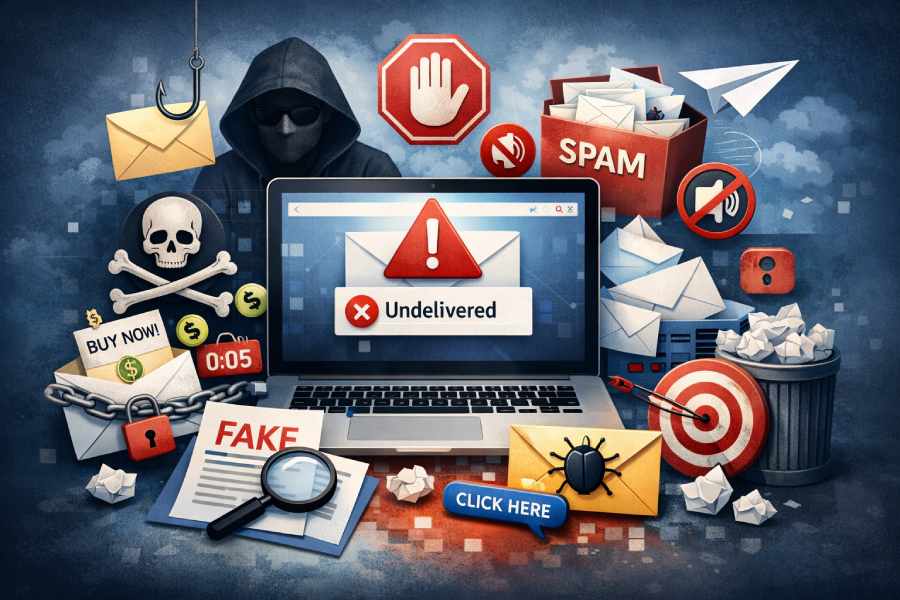
The Ultimate List Of Cold Email Tactics To Avoid For Better Deliverability
Effective email outreach remains a cornerstone of modern sales and lead generation strategies. For sales professionals and marketers seeking higher response rates and robust conversion rates, understanding which cold email tactics to avoid is just as vital as knowing what works. Faulty practices can lead to poor reply rates, lost opportunities with high-value prospects, and lasting damage to your domain reputation. Here, we present an expert-driven guide identifying and explaining the critical cold email mistakes that can harm your email deliverability—and how to sidestep them for optimal outbound campaigns.
Using Spam Trigger Words and Phrases
Spam trigger words are notorious for derailing even the most well-intentioned cold email campaigns. Filtering algorithms from providers like Google and Microsoft (used in Gmail and Outlook) leverage advanced systems such as SpamAssassin to evaluate not only your email content but also the presence of specific words or patterns commonly associated with spam.
Why Spam Words Hurt Your Deliverability
Spam filters are designed to flag emails that use high-risk phrases such as “guaranteed,” “free,” “act now,” or overly promotional language. Such content significantly increases the risk of your message being consigned to the spam folder, which drastically reduces chances for positive reply rates from your target audience.
Besides single words, poor email structure and lack of message clarity further signal to filters that your outreach may be unwanted. Additionally, outdated subject lines like “RE: Your Account” without prior contact, or excessive use of punctuation and capitalization, can be interpreted as manipulative or deceptive.
Best Practices:
- Conduct prospect research using tools like LinkedIn Sales Navigator, ZoomInfo, or Apollo.io to understand industry-specific messaging and the pain points of decision-makers.
- Ensure your email templates avoid mass mailing language and instead prioritize personalization relevant to the job role, company size, or firmographic data of your ideal customer profile (ICP).
- Test email content using SpamAssassin before launching large-scale campaigns.
Sending Emails Without Proper Authentication (SPF, DKIM, DMARC)
Email authentication protocols are critical technical setup components that demonstrate your legitimacy as a sender. Improper or absent configuration of Sender Policy Framework (SPF), DomainKeys Identified Mail (DKIM), and Domain-based Message Authentication, Reporting, and Conformance (DMARC) is an all-too-common cold email mistake that devastates both deliverability and sender reputation.
The Role of SPF, DKIM, and DMARC
- SPF allows ISPs to verify that emails sent from your domain originate from authorized servers.
- DKIM ensures message integrity and identity through cryptographic signatures.
- DMARC builds on SPF and DKIM, helping domain owners specify which mechanisms are in place and how unqualified emails should be handled.
Consequences of Improper Authentication:
- If you skip this part of domain setup, your cold email tactics will likely result in automatic rejections or delivery to spam folders—undercutting response rates and sabotaging lead generation efforts.
- Unauthenticated messages raise red flags with providers like Microsoft and Google, putting your domain reputation at risk.
Best Practices:
- Work with your IT team or email software providers such as Streak, Woodpecker, Klenty, or Salesforge to implement, monitor, and regularly update authentication settings.
- Use DMARC reports to detect unauthorized email activities and proactively maintain domain reputation.
- Conduct a proper email warm-up before scaling volume, allowing ISP algorithms to trust your domain.
Neglecting List Hygiene and Email Verification
One of the most damaging cold email mistakes is failure to maintain a clean, verified list of recipients. Sending to unverified or outdated addresses not only harms delivery but can also generate high bounce rates—signals that could permanently lower inbox placement with major ISPs.
The Impact of Poor List Hygiene
- Sending mass emails to undeliverable or non-existent contacts will quickly degrade your domain reputation.
- Failed message delivery ratios are monitored closely by Gmail, Outlook, and similar platforms, potentially resulting in blacklisting.
Best Practices:
- Make email list creation and ongoing verification a regular process. Use reputable tools for email verification and CRM integration to seamlessly sync updates.
- Practice strategic email list segmentation based on behavioral segmentation, industry-specific factors, and engagement with previous campaigns (e.g., customer re-engagement, partnership proposals, link building emails, event invitation emails, or feedback emails).
- Generate fresh lists from quality sources such as LinkedIn Sales Navigator or Apollo.io, and avoid sending to generic emails (like info@ or sales@) whenever possible.
Relying on Purchased or Scraped Email Lists
Among the worst cold email tactics is sourcing email lists through unverified purchase or scraping, rather than responsible lead generation methods. Purchased lists often contain irrelevant, outdated contacts and risk severe legal and technical consequences.

Risks of Low-Quality Email Lists
- Generic emails from scraped lists have minimal relevance to your actual ICP, leading to poor response rates and further damaging sender reputation.
- Such lists are frequently peppered with spam traps and unengaged recipients, accelerating domain reputation loss and reducing future reply rates.
- Using low-quality lists frequently violates anti-spam regulations (e.g., GDPR, CAN-SPAM), risks fines, and threatens your sales outreach strategy.
Best Practices:
- Focus on organic lead generation or leverage trusted data providers like ZoomInfo or Apollo.io for accuracy and compliance.
- Invest in technologies like Persana AI that align results to your ICP and support sophisticated firmographic filtering.
- Use CRM reports and retention metrics to segment and prioritize your lists by company size, job role, and engagement level, reaching only high-value prospects with targeted outbound campaigns.
Sending Large Volumes of Emails at Once
Attempting to scale email outreach too quickly—often referred to as “blasting” mass emails—remains a persistent cold email mistake. Not only does this tactic risk exceeding your email provider limits, but it also triggers the suspicion of anti-spam systems.
The Dangers of Bulk Email Blasts
- Sending high volumes without a proper email warm-up causes message delivery anomalies detectable by ISPs.
- Bulk sending amplifies the negative impact of any other technical setup mistakes, such as missing authentication or unhealthy lists.
- Overwhelming recipients with non-personalized, generic emails will prompt more unsubscribes and spam reports, reducing future conversion rates and potentially damaging your domain reputation for the long-term.
Best Practices:
- Gradually ramp up outbound campaigns using specialized platforms like Klenty, Woodpecker, or Salesforge, which enforce sending limits and adapt to provider restrictions.
- Design short emails with a clear call-to-action that is mobile-friendly, increasing both the relevance and engagement, particularly amongst busy millennials and decision-makers.
- Craft targeted follow-up emails tailored to your ICP and segment based on recent engagement, pain points, or behavioral segmentation metrics.
- Use domain variations or secondary domains to distribute sending load and further protect primary domain reputation.
By recognizing and avoiding these most damaging cold email tactics, sales professionals can substantially improve email deliverability and ultimately see stronger results from email outreach campaigns. Each corrective action, from responsible list hygiene to proper email authentication, increases your likelihood of engaging genuinely interested decision-makers, improving both reply rates and long-term lead generation success.
Using Misleading Subject Lines or Irrelevant Content
Subject line errors remain one of the most pervasive cold email mistakes encountered in outbound campaigns. Many sales professionals mistakenly believe that using clickbait tactics or outdated subject lines will boost open rates. However, misleading subject lines—or content that doesn’t align with your target audience’s needs—ultimately damage both reply rates and domain reputation. When recipients feel tricked, not only do conversion rates plummet, but the likelihood of your domain being flagged by SpamAssassin or labelled as email spam by providers like Gmail and Outlook dramatically increases.
The Impact on Target Audience and Domain Reputation
Recipients, particularly decision-makers and high-value prospects, are highly attuned to the messaging they receive. Millennials and digitally-savvy professionals are especially likely to ignore or report misleading messages. Google and Microsoft email services actively monitor message clarity and authenticity, using indicators such as subject relevance and SPF, DKIM, and DMARC authentication. Repeated violations can harm your sender reputation and, ultimately, affect your email deliverability for all future campaigns.
Best Practices for Relevant Subject Lines
Employing cold email tactics that focus on relevance is key. Start by conducting prospect research using tools like LinkedIn Sales Navigator, ZoomInfo, or Apollo.io to align your email content with the recipient’s job role, pain points, and interests. Incorporate industry-specific messaging and reference behavioral segmentation data to tailor your message. Invest in effective email list segmentation and utilize your CRM reports to track which subject lines resonate, helping to refine your approach and boost both open and response rates over time.
Failing to Personalize Email Content
Personalization is at the core of successful email outreach; generic emails are a leading cause of poor reply rates and wasted lead generation efforts. One-size-fits-all messaging fails to address the unique characteristics and pain points of your ideal customer profile (ICP), reducing engagement and making your campaign indistinguishable from mass emails.
The Cost of Generic Emails in Sales Outreach
Sending generic emails is one of the most common cold email mistakes for B2B sales professionals aiming for high conversion rates. These emails demonstrate a lack of prospect research, making it clear that you haven’t invested in understanding the prospect’s company size, recent activities, or specific needs. Even platforms such as Nureply, Streak, or Klenty can yield subpar results if not paired with a robust approach to personalization.
Leveraging Data and Email Templates for Personalization
Winning cold email tactics begin with a segmented approach. Leverage CRM data, firmographic data, and tools like HubSpot to build and maintain detailed ICPs. Then, modify your email templates to dynamically insert relevant details for each recipient—such as referencing recent company news or individual pain points. This practice aligns your message with the recipient’s context, increasing the likelihood of engagement and facilitating progression through the sales cycles.
Including Excessive Links or Attachments
A prevalent, yet often overlooked, cold email mistake is embedding too many links or attachments within the initial outreach. While it may seem beneficial to offer a range of resources, this can negatively impact both your message delivery and domain reputation.
Spam Filters, Email Deliverability, and Technical Setup
Email providers such as Gmail and Outlook, fueled by detection systems like SpamAssassin, flag emails with numerous links or attachments for potential phishing or spam, sending your carefully crafted outreach to the junk folder. This not only tarnishes your sender reputation but also impedes future cold email campaigns. Maintaining a sound technical setup—including thorough email authentication (SPF, DKIM, DMARC) and minimizing suspicious elements—preserves your credibility and helps with email warm-up processes.
Practical Guidelines for Including Links and Attachments
Sales professionals should adhere to simple best practices: use no more than one or two links per email and avoid attachments unless absolutely necessary. If required, utilize secure cloud storage with trackable, single-access links. Always test your emails through deliverability tools, checking how they perform across platforms like Gmail, Outlook, and enterprise filters to ensure your outbound campaigns avoid the spam folder and maximize response rates.
Not Providing Clear Unsubscribe Options
Compliance and recipient trust are critical to sustainable lead generation. Failing to include a clear, accessible unsubscribe mechanism is a significant cold email mistake that can trigger legal ramifications, diminish sender reputation, and incite a negative perception among your target audience.
The Regulatory and Practical Importance
Privacy regulations such as CAN-SPAM and GDPR require that all email campaigns—especially those in B2B sales outreach—offer an obvious means for recipients to opt out. Without this, recipients may manually flag your messages as spam, affecting sender reputation and, by extension, your domain reputation and deliverability across all future outbound campaigns.
Best Practices for Unsubscribe Features
Deliver transparency by placing unsubscribe links visibly within your email structure. Email outreach solutions like Woodpecker, Klenty, and Salesforge offer automated unsubscribe management that integrates with your CRM to update email list segmentation in real time. This attention to compliance not only improves list health but also provides valuable feedback on retention metrics and campaign relevance.
Ignoring Engagement Metrics and Recipient Feedback
Neglecting to monitor engagement and feedback metrics is another critical cold email mistake that undermines ongoing optimization and the long-term success of sales outreach initiatives.
The Role of Engagement Metrics in Optimization
Tracking engagement—open rates, response rates, reply rates, and retention metrics—through your CRM or dedicated outreach platforms like HubSpot is essential for understanding how your messages resonate with the target audience. These metrics inform adaptive changes, whether to subject lines, email structure, call-to-action phrasing, or overall campaign strategy. Ignoring these insights leads to stagnant conversion rates and missed opportunities for effective customer re-engagement or partnership proposals.

Integrating Feedback Into Future Email Campaigns
Soliciting direct feedback from recipients, either through feedback emails or soft calls to action embedded in short, mobile-friendly emails, allows sales professionals to gauge market sentiment and adjust accordingly. High-value prospects and decision-makers, for example, may provide insight on pain points, preferred communication styles, or industry-specific messaging trends. Such information, when combined with behavioral segmentation and firmographic data, yields more relevant and refined future outbound campaigns. The iterative use of feedback supports sustainable lead generation and helps your brand stand out in a crowded inbox landscape.
FAQs
What are the most common cold email mistakes that affect deliverability?
Some of the most frequent mistakes include using misleading subject lines, neglecting email authentication (SPF, DKIM, DMARC), excessive links or attachments, and sending generic emails to an unsegmented email list. These habits harm both sender reputation and overall response rates.
How important is personalization in cold email outreach?
Personalization is critical for engaging your ideal customer profile (ICP) and boosting reply rates. Tailoring emails using prospect research, firmographic data, and relevant industry-specific messaging leads to significantly higher engagement compared to generic emails.
Why should I avoid including multiple links or attachments in my emails?
Multiple links or attachments can trigger spam filters like SpamAssassin, damaging your sender and domain reputation. Keep content concise and use one or two trusted links for optimal email deliverability and message clarity.
What role does providing an unsubscribe option play in email outreach?
A clear unsubscribe mechanism is both a legal requirement and a best practice. It reduces spam complaints, maintains list quality, and signals sender credibility and respect for recipient preferences.
How should sales professionals monitor and use engagement metrics?
Use CRM or outreach platforms (like HubSpot or Klenty) to track open, click, response, and retention metrics. Analyzing this data informs which cold email tactics and segments yield the best conversion rates, allowing for continuous improvement.
What technical steps can I take to prevent cold email mistakes related to deliverability?
Ensure proper domain setup and email authentication (SPF, DKIM, DMARC). Regularly warm up new domains, segment email lists, and test campaigns with deliverability tools to prevent messages from landing in spam folders.
How can I effectively re-engage inactive recipients?
Send personalized customer re-engagement emails, focusing on updated pain points or offering exclusive content. Use behavioral segmentation and retention metrics to identify and target those most likely to respond positively.
Key Takeaways
- Personalization, relevance, and proper segmentation are crucial for high engagement and lead generation in email outreach.
- Avoiding generic emails, misleading subject lines, and excessive links or attachments preserves domain reputation and response rates.
- Providing clear unsubscribe options and continuously monitoring engagement metrics are essential to sustainable, compliant outbound campaigns.
- Leveraging prospect research and data-driven cold email tactics increases reply rates and conversion rates across different sales cycles.
- Ensuring technical setup—such as domain authentication and email warm-up—protects sender reputation and maximizes campaign deliverability.