
How To Launch A Successful Cold Email Marketing Campaign: Step-By-Step Guide For 2025
Launching a cold email marketing campaign in 2025 requires more than a generic message—it demands strategy, precision, and personalization. With inbox competition at an all-time high, businesses must craft emails that stand out and resonate instantly. Cold outreach remains one of the most cost-effective ways to generate leads when done correctly. This guide walks you through each step, from building quality lists to optimizing deliverability. Follow these proven methods to boost response rates and turn cold prospects into warm opportunities.
Understanding Cold Email Marketing: Definition, Purpose, and 2025 Trends
What is Cold Email Marketing?
Cold email marketing is a form of outbound sales outreach where personalized cold emails are sent to potential customers who have not previously interacted with your business. Unlike traditional email marketing campaigns targeted at opt-in subscribers, cold emailing focuses on reaching new leads to stimulate interest, initiate conversations, and ultimately drive conversions. A successful cold email marketing campaign leverages data-driven outreach strategy, high-quality email copywriting, and targeted messaging to compel action from prospects.
Primary Purposes of Cold Email Outreach
- Lead Generation: Cold email remains one of the most scalable and cost-effective outreach strategies for B2B sales prospecting and partnership development.
- Booking More Meetings: Targeted, personalized cold emails facilitate booking more meetings and demos with decision-makers, nurturing them through the sales cycle.
- Outreach for Networking and Partnerships: Cold emailing helps expand your professional network, foster partnerships, reach influencers for link building, and boost career growth opportunities.
- B2B and B2C Use Cases: From job/internship opportunities and hiring to online course promotion or product trials, cold email outreach covers diverse industry use cases.
2025 Trends in Cold Emailing
- Advanced Personalization Tools: Email personalization is crucial for high open rates and response rates. In 2025, AI-powered personalization tools such as Smartlead.ai and Saleshandy will deliver dynamic email content tailored to recipient’s pain points and buyer intent.
- Email Automation and Scalability: Automated emails enable small teams and large enterprises alike to scale outreach with efficiency, ensuring consistent follow-up emails and campaign management.
- Data-Driven A/B Testing: Sophisticated A/B testing of email subject lines, call to actions, and copy improves ROI by refining email best practices based on real-time campaign analytics.
- Deliverability and Compliance as Key Concerns: Ensuring high email deliverability while complying with evolving privacy laws, such as GDPR and the CAN-SPAM Act, is more critical than ever.
Setting Clear Goals and KPIs for Your Campaign
Aligning Cold Email Outreach with Business Objectives
Before launching any cold email marketing campaign, it’s imperative to define what success looks like. Goal-setting should be SMART—specific, measurable, achievable, relevant, and time-bound—which aligns with overall business, sales prospecting, or networking targets.
Examples of Campaign Goals
- Lead Generation and Conversion: Acquiring a target number of verified emails or generating a set quota of SQLs (Sales Qualified Leads).
- Meeting Booking Metrics: Scheduling a predetermined number of discovery calls or demos through cold email outreach.
- Brand Awareness: Driving site traffic, online course promotion, or building partnerships.
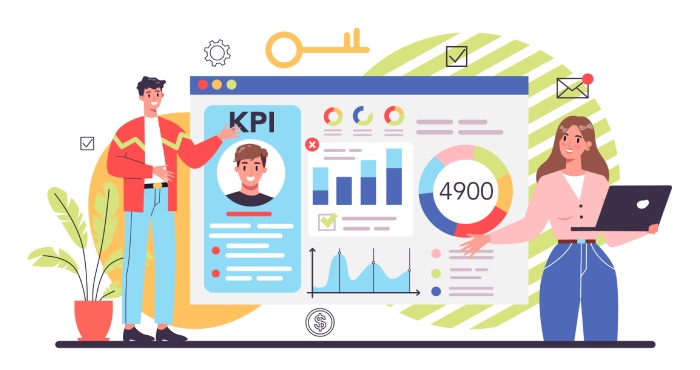
Key Performance Indicators (KPIs) to Track
- Open Rate: Percentage of recipients who open your email, heavily influenced by the email subject line, sender information, and email deliverability.
- Reply Rate (Response Rate): Tracks how many recipients respond, signaling message relevancy and engagement.
- Conversion Rate: Measures successful call to action completions, like booking a meeting or accepting a trial offer.
- Bounce Rate: Monitors undelivered emails to maintain a healthy email list and safeguard sender reputation.
- Unsubscribe Rate and Link Clicks: Analyzing opt-out actions and click-through helps evaluate user behavior and campaign relevancy.
Using Analytics and Continuous Improvement
Successful email marketing hinges on email campaign analytics. Leverage tools like Saleshandy, Woodpecker.co, or Smartlead to analyze and track campaign performance, run A/B testing, and optimize email copywriting, email personalization methods, and follow-up emails for ongoing improvement.
Compliance and Legal Considerations: GDPR, CAN-SPAM, and Global Regulations
Overview of Global Email Compliance Laws
When conducting cold email marketing campaigns, legal cold emailing practices are non-negotiable. Key regulations include:
- CAN-SPAM Act (United States): Regulates all commercial emails, enforcing includes sender information, clear subject lines, and the mandatory unsubscribe link in every communication.
- GDPR (EU): The General Data Protection Regulation requires explicit consent for processing EU residents’ personal data and governs business-to-business and business-to-consumer (B2B/B2C) cold emailing.
- Other Regional Laws: Varying compliance requirements exist in other regions, such as CASL (Canada), and APAC jurisdictions.
Email Best Practices to Ensure Compliance
- Explicit Unsubscribe Link: Every cold email must include an accessible unsubscribe or opt-out option to respect recipient preference and avoid legal penalties.
- Accurate Sender Information: Always provide valid sender details and refrain from misleading email subject lines.
- Privacy Policies and Consent: Familiarize yourself with privacy laws; adjust opt-in/opt-out approaches as per recipient location. Be proactive in reviewing up-to-date FTC (US) and EU GDPR Info resources.
- Maintaining Verified Emails: Using only verified emails on your email list supports GDPR and CAN-SPAM compliance while improving email deliverability.
- Deliverability Setup: Proper domain authentication (DKIM, SPF, secondary domains), email warmup, and adherence to sending limits prevent spam marking and support legal outreach.
Legal Resources and Tools
Consider leveraging compliance features available in leading cold email tools such as Woodpecker.co, Smartlead.ai, and Saleshandy, which often incorporate privacy-safe email automation, enforce sending limits, and automatically include unsubscribe links.

Identifying and Segmenting Your Target Audience
Defining Your Ideal Customer Profile (ICP) and Buyer Intent
A powerful cold email marketing campaign starts with clear segmentation and understanding of the ICP (ideal customer profile). Use buyer intent data tools to identify those most likely to convert, taking into account firmographics (industry, company size), technographics, job function, and role in the purchasing process.
Tactics for Prospect Segmentation
- Industry and Geography: Segment your cold email outreach by industry, region, and vertical for targeted messaging.
- Buyer Intent Signals: Harness relevant behavioral and buyer intent data to prioritize prospects with higher conversion likelihood.
- Sales Cycle Position and Pain Points: Tailor communication to reflect the prospect’s stage in the funnel and address specific recipient’s pain points.
Tools for Audience Research and Segmentation
Saleshandy, Woodpecker, and Smartlead offer advanced prospect research and segmentation features, making it easier to personalize cold email content, increase engagement, and maximize campaign ROI.
Building and Sourcing High-Quality Email Lists Ethically
Sourcing and Creating Your Email List
A robust email list is the foundation of any cold email marketing campaign. High-quality, verified emails enhance deliverability and safeguard your sender reputation.
Strategies for Ethical List Building
- Manual Research: Use professional networks (LinkedIn), conference attendee lists, and company websites to compile prospects.
- Third-Party Data Providers: Choose reputable providers that supply verified emails while maintaining compliance with privacy laws.
- Referrals and Inbound Leads: Encourage current contacts and customers to refer to ideal prospects, supporting strategic network building.
Opt-in/Opt-out Respect
Even in cold emailing, respecting opt-in and opt-out preferences is key for compliance and user experience. Removing unengaged or unsubscribed contacts from your email list protects both your campaign analytics and legal standing.
Verification and Deliverability
Always validate emails via email verification tools to reduce bounce rates and enhance deliverability. Many cold email platforms, such as Saleshandy, offer integrated quality checks.
Maintaining Email List Hygiene
- Regularly Update Your List: Remove invalid or outdated contacts to maintain high deliverability and open rates.
- Segment for Relevancy: Continually refine segments to deliver more relevant, dynamic email content that speaks to your target audience’s needs.
By mastering each of these foundational steps, your team can launch a compliant, effective, and scalable cold email marketing campaign that drives real lead generation, accelerates meeting booking, and creates measurable value in 2025 and beyond.
Crafting Compelling Subject Lines that Improve Open Rates
A well-crafted email subject line is the gateway to higher open rates in any cold email marketing campaign. Since the email subject line is the first thing your target audience encounters in their inbox, its effectiveness can define your cold email outreach success or failure.
Understanding Your Audience and Relevancy
Start by leveraging prospect research to uncover your ideal customer profile (ICP) and understand their pain points. Personalizing your email subject line with relevant details—such as the recipient’s name, company, or a reference to mutual interests—demonstrates effort and improves open rate. For B2B email outreach, referencing industry-specific events or partnerships can further enhance relevancy.
Incorporating Personalization and A/B Testing
Personalized cold emails outperform generic ones, and this begins with subject lines. Utilize email personalization tools and dynamic email content to insert fields like {first_name} or {company_name}. Regular A/B testing of your subject lines lets you analyze and track email metrics, quickly identifying the highest-performing variations for your outreach strategy. Monitor improvements in open rate and adjust accordingly.
Using Curiosity and Clear Value Propositions
Subject lines should ignite curiosity while making the email’s value clear. For example, “Quick idea to increase [metric] at [company]” or “Hi [Name], thought you’d find this useful…” help establish a connection and indicate a benefit. Avoid all-caps or spammy phrases, as these may harm email deliverability and trigger spam laws compliance issues under regulations like the CAN-SPAM Act and GDPR.
Avoiding Spam Triggers for Improved Deliverability
Abiding by email best practices, steer clear of excessive punctuation, misleading statements, and words often flagged by ESPs (email service providers). Including clear sender information and respecting sending limits also positively impacts email deliverability.
Writing High-Converting Email Copy: Personalization and Value Proposition
Once the subject line earns an open, your cold email must immediately engage the recipient. Email copywriting should combine targeted messaging, personalized cold email elements, and a strong value proposition.
Addressing the Recipient’s Pain Points
Lead your email copy by referencing a specific challenge or buyer intent relevant to your target audience. Use insights from buyer intent data tools and prospect segmentation to ensure every message speaks directly to an issue they face, whether that’s improving lead generation or increasing ROI.
Structuring an Introductory Email for Immediate Engagement
Keep your introductory email concise and direct; mention how you found the recipient (such as through networking or a referral), then highlight a clear, unique solution tailored to their needs. Avoid jargon and focus on clarity to increase response rate.
Maximizing Personalization at Scale
Advanced personalization tools and dynamic email content can help small teams scale their outreach without sacrificing relevance. Platforms like Saleshandy, Smartlead, and Woodpecker allow custom fields and individualized snippets, resulting in highly personalized cold emails for each recipient on your email list.
Presenting a Strong Call to Action
Every cold email outreach must guide the recipient to a logical next step—a clear call to action. Whether your goal is meeting booking, trial offer sign-ups, or continuing the conversation, make the CTA actionable, visible, and easy to complete. For example, “Are you available for a quick call next week?” or “Would you like to see a quick demo?”
Designing Professional Email Templates for Maximum Impact
Creating reusable, professional email templates enhances scalability and standardizes your cold emailing approach. Templates maintain consistency across your campaigns while allowing sufficient room for personalization.
Key Elements of Effective Email Templates
- Header and Sender Information: Clearly display your name, company, and contact details.
- Personalized Opening Line: Directly address your ICP and immediately relate to their role or challenge.
- Value Proposition: Highlight the benefits or outcomes they’ll achieve.
- Call to Action: Encourage a reply, meeting booking, or another step.
- Unsubscribe Link: Legally required for all B2B and B2C outreach, this ensures compliance with spam laws (CAN-SPAM Act, GDPR).
Utilizing Modular and Dynamic Content
Professional email templates empowered by automation tools can dynamically swap sections based on prospect segmentation. For instance, job/internship opportunities, online course promotion, or partnership offers can be inserted as needed—keeping templates flexible across different industry use cases.
Designing for Deliverability and Engagement
Use a clear, accessible design: avoid heavy images or large attachments that could impact deliverability setup. Stick to simple HTML or plain-text formats, and always test your templates using email campaign analytics provided by solutions like Saleshandy or Woodpecker.co to assess response rate and overall impact.
Timing and Scheduling: Determining the Best Time to Send Cold Emails in 2025
Optimal timing is a crucial, often underestimated, factor in cold emailing. In 2025, data-driven strategies around user behavior and email campaign analytics are reshaping cold email outreach schedules.
Analyzing User Behavior and Industry Trends
Review industry benchmarks for your target audience. B2B email outreach often performs best during mid-week mornings (Tuesday–Thursday, 9–11 AM). However, A/B testing and analytics within your email automation tool will pinpoint patterns unique to your audience, enhancing open rate and reply rate.
Leveraging Email Automation for Global Outreach
For global or remote target audiences, automated emails with scheduling flexibility are essential. Tools like Smartlead and Saleshandy allow for sending based on recipients’ time zones and working days, improving both deliverability and engagement—particularly relevant for remote partnerships or cross-continental sales prospecting.
Sending Limits, Warmup, and Deliverability Setup
Exceeding sending limits set by ESPs such as Gmail can hurt sender reputation. Use secondary domains for larger campaigns and initiate a gradual email warmup before ramping up outreach volumes. Monitor your deliverability setup through platforms that report bounce rates and sender reputation.
Structuring Follow-Up Sequences for Continued Engagement
In cold email marketing, diligent follow-up emails are key to boosting response rate and conversion. Most positive replies stem from persistent but respectful follow-ups.
Frequency and Content Strategy
Follow-up emails should be spaced strategically—increasing intervals (2, 5, 8 days, etc.)—to remain persistent yet unobtrusive. Each follow-up should provide incremental value: share case studies, answer common questions, or refer to recent industry news relevant to the recipient’s pain points.
Automation and Personalization in Follow-Ups
Email automation solutions like Woodpecker or sales engagement platforms such as Saleshandy can queue follow-up emails based on recipient actions (e.g., open or reply). The use of personalization tools ensures that even automated emails are not perceived as generic.
Legal Requirements and Unsubscribe Options
Every step of your cold email outreach, including follow-ups, must respect opt-out requests. Ensure the unsubscribe link is present and functional. Adhering to privacy laws, such as the CAN-SPAM Act in the United States and GDPR in the EU, builds trust and protects reputation.
Leveraging Automation Tools and CRM Integration
To achieve true scalability and cost-effective outreach, modern cold email marketing relies heavily on advanced automation tools and customer relationship management (CRM) integration.
Selecting the Right Cold Email Tools
Platforms like Saleshandy, Smartlead.ai, and Woodpecker.co are designed to automate every stage of cold email outreach, from scheduling to dynamic email content insertion. When paired with CRM systems, these tools facilitate seamless prospect segmentation, campaign analytics, and targeted messaging.
Benefits of CRM Integration
CRM integration ensures every personalized cold email is informed by up-to-date user behavior, lead status, buyer intent, and previous interactions. This supports outbound sales teams in tracking conversations across the sales cycle and increases chances of booking more meetings.
Scaling Outreach for Small Teams
Automation supports small teams by eliminating repetitive manual tasks—such as sending follow-up emails or verifying emails. Moreover, features like verified emails, dynamic email content, and A/B testing help fine-tune campaigns in real time for optimal deliverability and conversion.
Ensuring Compliance and Analytics
Automated platforms help manage opt-in, opt-out, and unsubscribe processes, ensuring all outreach complies with relevant spam laws and privacy standards. Detailed email campaign analytics allow you to analyze and track every metric, from open rate to conversion, to continually refine your outreach strategy for maximum ROI.
A/B Testing and Optimizing Cold Email Campaign Elements
A/B testing is fundamental to improving the performance of any cold email marketing campaign. By regularly testing and optimizing email elements, businesses are empowered to refine their outreach strategy, ensuring their messages resonate with their target audience and drive higher engagement.
What to Test in a Cold Email Outreach
Successful cold emailing requires constant experimentation. High-impact elements to test include the email subject line, introductory email hooks, body copy, personalization level, call to action, signature, and the use of dynamic email content. Varying your approach to personalization—such as mentioning the recipient’s company, role, or recent achievements—can significantly influence response rate and open rate.
Refining the Email Subject Line
The email subject line is your first impression and is highly correlated with open rates. A/B testing subject lines with variations in tone (formal vs. casual), length (short vs. detailed), and levels of relevancy to the recipient’s pain points can reveal what drives more openings within your email list.
Testing Email Copy and Personalization
Employing robust email personalization, such as referencing industry-specific challenges or buyer intent signals, and leveraging advanced personalization tools like those from Saleshandy or Woodpecker.co, helps boost relevancy and conversion. Experiment with different structures and calls to action to identify which approaches compel the most replies and meeting bookings.
Efficient A/B Testing With Cold Email Tools
Cold email tools such as Saleshandy, Woodpecker, and Smartlead offer built-in A/B testing modules, which allow small teams and enterprises alike to run experiments at scale. These platforms support automated emails, email automation, and reporting features—making it easier to analyze and track results, monitor response rate, and iterate campaigns rapidly for improved return on investment.
Scaling A/B Testing Efforts
To reach optimal scalability, segment your email list by ICP, vertical, or buyer intent, and conduct A/B tests across these micro-audiences. This approach ensures your cold email outreach remains highly targeted and increases the likelihood of achieving cost-effective outreach and lead generation at scale.
Common Mistakes to Avoid in Cold Email Marketing Campaigns
Even experienced marketers can fall into traps that limit the effectiveness and scalability of cold email outreach.
Ignoring Compliance with Spam Laws
Non-adherence to CAN-SPAM Act in the United States and GDPR in the EU leads to legal risks and can damage your sender reputation. Always include a visible unsubscribe link, accurate sender information, and process opt-out requests efficiently.
Overlooking Email Personalization
Generic messages hurt credibility and lower response rates. Failing to leverage available email personalization tools or prospect research weakens relevancy and reduces recipient engagement, stalling your lead generation engine.
Poor List Hygiene and Deliverability Setup
Neglecting to use only verified emails and not regularly cleaning your email list damages email deliverability and triggers email service provider restrictions. Use recommended best practices—such as implementing email warmup, adhering to sending limits, and managing secondary domains—to maximize inbox placement.
Weak Outreach Strategy and Messaging
Sending out untargeted, irrelevant emails without considering the ICP, prospect segmentation, or buyer intent not only reduces campaign performance but can also negatively impact brand perception within your target audience.
Future-Proofing: Adapting to Evolving Cold Email Best Practices in 2025 and Beyond
Cold emailing continues to evolve as user behavior, privacy laws, and email service provider policies become increasingly sophisticated.
Emphasizing Privacy and Compliance
With changes to the CAN-SPAM Act, GDPR, and new privacy regulations, future-proofed campaigns prioritize legal cold emailing by maintaining robust unsubscribe mechanisms, respecting opt-in/opt-out preferences, and conducting regular compliance checks.
Personalization and Dynamic Content
Emerging trends indicate an increased need for adaptive email personalization and the use of dynamic email content. AI-driven personalization tools—integrated via cold email platforms like smartlead.ai—boost campaign relevancy, targeting, and open rates across both B2B and B2C outreach.
Enhanced Analytics and Buyer Intent
Integrating advanced analytics and buyer intent data tools improves prospect research, ICP targeting, and the efficiency of your lead generation and outbound sales operations. Refined analytics capabilities in tools like Saleshandy and Woodpecker help you adjust your outreach strategy in real-time.
Scalability Through Automation
To remain competitive, businesses must embrace more sophisticated email automation workflows, leveraging automation for everything from email account setup and campaign scheduling to managing replies and booking more meetings. Tools like Nureply make it easier to streamline these processes. The highest-performing marketing campaigns will use automation not just for efficiency, but to scale personalized, high-value conversations to vast audiences.

FAQs
What is the most important factor in improving cold email open rates?
The email subject line is the single most influential factor for open rates. Testing different styles, lengths, and approaches—while ensuring it’s relevant to the recipient—drastically increases the likelihood your cold email is opened.
How often should I conduct A/B testing in my cold email outreach?
A/B testing should be ongoing. Regularly test components such as email copy, personalization, and calls to action, and adjust strategies monthly based on email campaign analytics.
How do I ensure compliance with GDPR and CAN-SPAM Act?
Always include a clear unsubscribe link, provide accurate sender information, and honor unsubscribe or opt-out requests promptly. It’s essential to only email verified and opted-in addresses, especially for international campaigns.
How can I handle objections in cold emailing?
Respond promptly and empathetically to objections, tailoring your response to address the recipient’s pain points and providing additional value or clarity. Personalization and strong email copywriting play key roles in objection handling.
What are the best tools for scalable cold email marketing campaigns?
Platforms such as Saleshandy, Woodpecker, and Smartlead offer scalable automation, A/B testing, analytics, and email personalization tools to manage campaigns of any size and complexity.
What should I do if a recipient wants to opt out?
Immediately process all opt-out or unsubscribe requests in compliance with spam laws. Remove the recipient from your email list and send a confirmation of their removal if required.