
How To Generate Inbound Leads On Social Media: 5 High-Impact Plays For B2B And B2C
Social media is no longer just a brand-awareness channel—it’s a full-funnel lead generation engine when used strategically. From LinkedIn decision-makers and Instagram shoppers to Facebook community groups and TikTok discovery feeds, today’s buyers actively research, compare, and engage long before they ever fill out a form. The challenge isn’t being present on social media—it’s turning attention into qualified inbound leads without sounding salesy or burning ad budgets.
The good news? Inbound leads on social media don’t require viral luck or massive followings. They come from intentional content, smart positioning, and friction-free paths to conversion. Whether you’re a B2B brand targeting long sales cycles or a B2C business focused on fast decisions, the same core principles apply: educate first, earn trust, and invite action at the right moment.
In this guide, we’ll break down five high-impact social media plays that consistently generate inbound leads for both B2B and B2C brands—strategies you can implement immediately to attract the right audience, spark meaningful engagement, and convert followers into customers.
What “inbound leads” on social really means (and where they fit in your funnel)
Inbound leads from social are prospects who discover, engage, and raise their hand because your content, conversations, and offers solved a real problem. They arrive through organic posts, paid social media campaigns, webinars, virtual events, or community interactions—not cold outreach. Inbound marketing on social media attracts value, then converts with frictionless paths.
- Funnel placement: Social-driven inbound leads typically start in awareness or consideration and accelerate when content hubs, long-form content, and micro-offers provide immediate utility. Map each asset to the buyer’s journey to guide progression.
- Qualification: Use engagement data (clicks, comments, watch time, form opens) and lead scoring to identify intent. Systems like ON24’s engagement scoring across webinars and virtual events can weight actions (e.g., poll participation, resource clicks) so sales representatives focus on truly qualified leads.
- Multi-channel data: Sync social signals with your CRM via CRM integration. Connect LinkedIn Lead Gen Forms, Facebook and Instagram lead ads, and YouTube CTAs to HubSpot or your CRM to nurture leads via email marketing and marketing automation. Tag links with UTM parameters and track in Google Analytics and analytics tools.
- Strategy tie-ins: Social isn’t a silo. SEO and search engine optimization content fuels social discoverability; social amplifies website traffic and content engagement; website optimization and dynamic landing pages raise conversion rate; ABM targets orchestrate personalized web experiences for named accounts.
Lay the groundwork: ICPs, offers, channel selection, and profiles optimized for conversion
Before you generate inbound leads at scale, set the foundations for digital marketing discipline.
- ICPs and audience segmentation: Define your ideal customer profile and audience segmentation by pain, job-to-be-done, size, and industry trends (use sources like Statista, SEMrush, and MarketingPlatform.com). For B2B lead generation, align with account-based marketing (ABM) to prioritize high-value accounts.
- Channel selection: Match formats to platforms. LinkedIn for B2B lead generation and thought leadership; TikTok and Instagram Reels for bite-sized education; YouTube for long-form content and demos; Facebook for communities; Bing and Google discovery align with search-driven audiences.
- Offers and proof: Pair helpful offers (checklists, templates, trials, content downloads) with social proof: customer reviews on Clutch, expert sources, and E.E.A.T principles that convey expertise, authority, and trustworthiness.
- Profile and funnel readiness: Optimize bios with a clear call to action to a content hub, webinar registration, or virtual events calendar. Ensure website design, user experience, contact page clarity, and A/B testing of headlines and CTAs improve conversion rate. Build dynamic landing pages that enable personalization based on source, campaign, and ABM segment.
- Stack and measurement: Use SproutSocial for scheduling and listening, HubSpot or your CRM for marketing automation, and ON24 Engagement Hub to centralize webinars, virtual events, and on-demand content hubs. Validate assumptions with polls and surveys and analyze with Google Analytics.

Play 1: Build a value-led content engine (pillar topics, serial formats, and smart distribution)
A durable content engine compounds brand recognition and lead generation when your content strategy is anchored in evergreen pillars and distributed consistently.
Establish pillars and content hubs that solve big problems
Content hubs organize pillar topics (e.g., “Compliance for Fintech,” “Modern RevOps,” “Sustainable Beauty”) into navigable clusters that fuel both SEO and social media marketing. Host long-form content, webinars, and virtual events in an ON24 Engagement Hub or similar destination to capture engagement data and generate inbound leads from binge behavior.
Map pillars to the buyer’s journey
Create top-of-funnel explainers, mid-funnel comparisons, and bottom-of-funnel calculators. Each piece should link to the hub, promoting content engagement and website traffic while reinforcing inbound marketing.
Align with ABM and sales enablement
Package hub assets into ABM plays for target accounts. Give sales representatives pillar-aligned guides and clips to continue conversations.
Launch serial formats that build habit and trust
Recurring shows and cadences keep your audience coming back, improving social media campaigns and content marketing efficiency.
Plan frequency with a realistic content calendar
Run a weekly LinkedIn live series, a monthly YouTube deep dive, and a quarterly flagship webinar. Maintain cadence with repurposing content: turn a webinar into short TikTok and Instagram snippets, blog recaps, content downloads, and email marketing drips.
Activate employee advocacy and SMEs
Feature internal experts and customer voices to demonstrate expertise and authority. This boosts trustworthiness and often earns backlinks and shares that support search engine optimization.
Distribute smartly across channels and formats
Blend organic and paid distribution for reach and precision.
Optimize posts, CTAs, and measurement
- Use platform-native features (carousels, Shorts, Reels) and test hooks, thumbnails, and captions with A/B testing.
- Include a clear call to action pointing to content hubs, webinars, or virtual events.
- Track performance with Google Analytics, HubSpot, and SproutSocial. Compare engagement data across LinkedIn, YouTube, Facebook, and Instagram to refine audience segmentation and increase ROI.
Play 2: Spark conversations that convert (comments-to-DMs, reply-to-resource, and permission-based outreach)
Conversations are the shortest path from brand recognition to pipeline. Engineer them with intent, transparency, and value.
Comments-to-DMs without being spammy
When someone comments with a pain point, reply publicly with insight and ask permission to DM a relevant resource. In the DM, share a checklist or webinar replay and invite them to a dynamic landing page for a deeper resource.
Make it measurable and compliant
Log interactions via CRM integration, apply lead scoring based on engagement data, and trigger marketing automation to nurture leads. Respect preferences and provide opt-outs to preserve trustworthiness.
Reply-to-resource threads that educate and qualify
Post educational threads that end with “comment ‘guide’ for the template.” Deliver via automated workflows that connect to your CRM. Route to personalized web experiences based on behavior (e.g., viewed pricing, attended webinars).
Convert curiosity into intent
Offer content downloads like ROI calculators or templates tied to a content hub. Use polls and surveys inside webinars and virtual events (ON24 Platform or Hubilo) to capture explicit pain points that accelerate lead nurturing.
Permission-based outreach for ABM and high-value segments
For target accounts, reference recent content engagement or industry trends, then ask if they’d like a personalized teardown or a free trial walkthrough.
Anchor outreach in value and proof
Cite expert sources, customer reviews, and case stats. Link to YouTube demos or LinkedIn posts where you shared methodology to reinforce E.E.A.T principles and reduce friction to a call to action.
Play 3: Capture high intent with native lead forms and micro-offers (checklists, templates, trials)
Meet prospects where they’re already engaged and reduce friction to form-fill.
Use platform-native lead gen forms to lift conversion rate
LinkedIn, Facebook, Instagram, and YouTube offer native lead forms that auto-populate fields, boosting completion rates for B2B lead generation and consumer offers alike. Pair forms with compelling micro-offers and route submissions to your CRM with proper CRM integration and data hygiene.
Design micro-offers that deliver instant value
Create specific, fast-win assets: implementation checklists, industry-specific templates, and time-boxed trials. Promote them in social media campaigns and at the end of webinars and virtual events.
Connect offers to your content hubs and events
Host all assets in an ON24 Engagement Hub to centralize discovery. Use ON24’s engagement scoring to prioritize follow-up and inform sales representatives which prospects are warming up after consuming multiple sessions.
Nail the landing and the follow-up sequence
After a native form submit, send to dynamic landing pages with personalization (industry, role) and a clear call to action for the next step—book a consultation via the contact page, watch a demo, or register for upcoming webinars.
Automate nurturing without losing the human touch
Trigger email marketing sequences and marketing automation that reference the exact asset downloaded, then hand off to sales representatives when lead scoring crosses thresholds. Ensure website optimization and user experience support speedy booking and chat. Monitor ROI across the sales pipeline with dashboards in HubSpot or your CRM.
Measure, learn, and iterate continuously
Use analytics tools like Google Analytics, SproutSocial, and SEMrush to correlate content engagement, website traffic, and inbound leads. Compare performance across Google and Bing, and benchmark with Statista.
Turn insights into optimizations
- Improve hooks and creativity through A/B testing.
- Refine targeting via audience segmentation and ABM lists.
- Update offers based on polls and surveys and webinar Q&A.
- Strengthen content strategy with repurposing content from high-retention YouTube videos into LinkedIn carousels and TikTok explainers.
Sustain this cycle, and you’ll generate inbound leads predictably: content hubs that educate, webinars and virtual events that harvest intent, social media marketing that sparks conversation, and native forms that capture demand—all working together to compound brand recognition and high-quality lead generation.
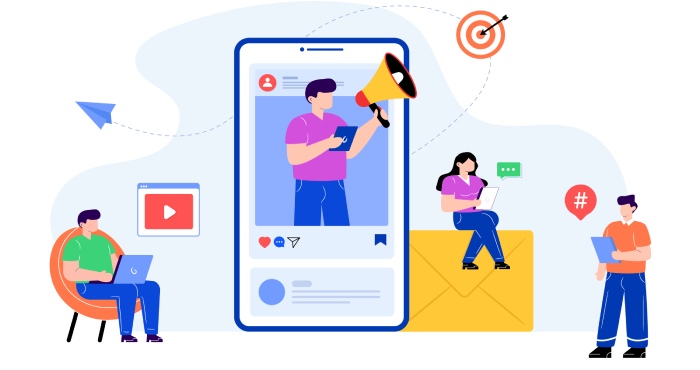
Play 4: Borrow trust with creators, employee advocacy, and UGC amplification
Borrowed trust accelerates inbound marketing by plugging into communities that already believe. When credible creators, respected employees, and real customers tell your story, brand recognition compounds and inbound leads rise. Treat this as a repeatable content strategy that fuels content marketing, social media marketing, and always-on lead generation while capturing rich engagement data you can use to generate inbound leads with precision.
Activate creators and SMEs, not just influencers
In B2B lead generation, subject-matter experts and practitioners outperform celebrities. Feature credible voices on LinkedIn, YouTube, TikTok, Instagram, and Facebook, then centralize outputs inside content hubs so discovery, SEO, and repurposing are seamless. This multi-channel approach strengthens social media campaigns, increases brand recognition, and helps generate inbound leads from audiences who prefer education over promotion.
Creator selection criteria
- Proven expertise and audience segmentation alignment across your buyer’s journey
- Topical fit validated by content engagement signals and customer reviews
- Willingness to co-create long-form content and contribute expert sources you can cite
Employee advocacy guardrails
Employee advocacy multiplies reach and trustworthiness. Provide a content calendar, message guidelines, and enablement so posts uphold E.E.A.T principles: expertise, authority, and trustworthiness. Use SproutSocial to distribute approved posts, tap LinkedIn for credibility, and attribute impact via Google Analytics and your CRM.
Build a UGC amplification engine
UGC—reviews, how-tos, and product teardowns—belongs in your content hubs for ongoing discovery and search engine optimization. Encourage posts via social media campaigns, in-product prompts, and polls and surveys. Then amplify through digital marketing placements, backlinks outreach, and email marketing to nurture leads. Structured right, UGC boosts website traffic, provides engagement data for lead scoring, and sustains inbound marketing momentum.

UGC rights and repurposing
Secure permissions, then practice repurposing content: stitch TikTok clips into YouTube compilations, summarize threads in blog posts, and package content downloads. Feed the best assets into webinars and virtual events to deepen content engagement across journeys
Compliance, E.E.A.T., and measurement
UGC and creator content must meet disclosure and brand safety standards while reinforcing authority. Cite expert sources, reference industry trends from Statista when appropriate, and link back to original research to strengthen backlinks and trust signals for search engine optimization. Track attribution with analytics tools, CRM integration, and lead scoring to see which collaborators and formats drive qualified leads into the sales pipeline.
Legal, brand safety, and disclosures
Use clear disclosures for sponsored content, review accuracy with sales representatives and legal, and set moderation protocols to protect user experience and website design standards.
Play 5: Live sessions, communities, and events as lead magnets
Live experiences convert curiosity into conversations. Webinars, virtual events, Lives, Groups, and Spaces combine education with interactivity—prime engines for inbound leads and B2B lead generation. Promote with social media marketing, archive in content hubs, and recycle highlights across content marketing to generate inbound leads long after the session ends.
Webinars and virtual events strategy
Anchor your event program on platforms built for engagement data and integration. The ON24 Platform and ON24 Engagement Hub centralize webinars and virtual events, while ON24’s engagement scoring helps prioritize follow-up. Alternatives like Hubilo also support robust interactivity. Use registration fields for audience segmentation, polls and surveys to qualify interest, and integrations with HubSpot and your CRM for immediate lead nurturing. When sessions address pain points with authority, they boost brand recognition and lead generation simultaneously.
Engagement design patterns
- Pre-reads and content downloads to warm the room
- In-session Q&A, polls, and chatbots to increase content engagement
- Post-event nurture flows and dynamic landing pages to lift conversion rate
Communities and social Lives
Meet buyers where they gather. Host LinkedIn Groups or Facebook Groups, run YouTube Live AMAs, and try Instagram Lives or Spaces for topical debates. Pair community moments with social media campaigns to drive sign-ups, then route highlights into webinars or virtual events. This cycle compounds inbound marketing impact, yielding engagement data that helps your team generate inbound leads repeatedly.
B2B vs. B2C: Adapting the five plays by channel, content format, and buying journey
Context matters. B2B marketers optimize for committees and complex evaluations; B2C optimizes for speed and emotion. Both benefit from inbound marketing, but B2B lead generation hinges on credibility, whereas B2C leans on volume and immediacy.
Channel and content format
B2B favors LinkedIn, YouTube, and Google-friendly long-form content hosted in content hubs that pass E.E.A.T checks, with search engine optimization validated by SEMrush, Google, and Bing insights. B2C leans into TikTok and Instagram short-form plus creator-driven social media campaigns. Regardless, a cohesive content strategy, consistent digital marketing, and smart repurposing content keep brand recognition high across channels.
Buying journey and qualification
B2B requires ABM and personalization to navigate a longer buyer’s journey. Use account-based marketing to tailor personalized web experiences, route engagement data to CRM integration, and apply lead scoring to surface qualified leads. For B2C, emphasize frictionless paths and fast conversion. In both cases, webinars and virtual events can accelerate trust and move prospects toward the sales pipeline with measurable ROI.
Conversion design: CTAs, link-in-bio architecture, landing pages, chatbots, and nurture flows
Conversion architecture translates attention into action. Map every asset—social posts, UGC, webinars—into a clear call to action that aligns with intent and stage.
CTA, landing pages, chat and nurture
- Use link-in-bio trees to route by audience segmentation and intent, pointing into dynamic landing pages within content hubs.
- Apply website optimization and A/B testing to improve user experience and lift conversion rate with clean website design, fast load times, and relevant content downloads.
- Deploy chatbots for real-time qualification, marketing automation for timely follow-ups, and email marketing to nurture leads with personalization and personalized web experiences.
- Ensure clear paths to a contact page for sales-ready visitors and seamless CRM integration so sales representatives can engage with context.
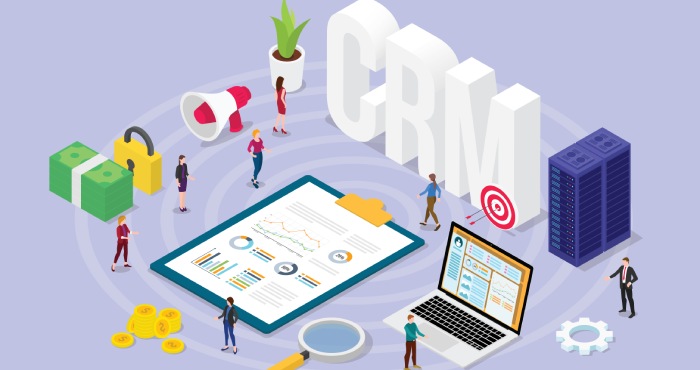
Measure and scale: Metrics, attribution, experimentation cadence, and a 90-day rollout plan
Scaling inbound leads depends on disciplined measurement and rapid iteration. Standardize definitions for lead generation, B2B lead generation, and generate inbound leads so your team speaks the same language.
Metrics and attribution
Track website traffic, content engagement, and engagement data from webinars and virtual events through Google Analytics, ON24’s engagement scoring, and your CRM. Attribute social media marketing and social media campaigns with UTM parameters, compare assisted vs. direct conversion rate, and tie results to ROI. Validate keyword gains with SEMrush, monitor reviews on Clutch, and benchmark visibility with Statista where appropriate.
90-day rollout and experimentation cadence
- Weeks 1–2: Audit content hubs, SEO gaps, and analytics tools; set baselines and E.E.A.T enhancements.
- Weeks 3–6: Launch creator partnerships and employee advocacy, pilot one flagship webinar on the ON24 Platform, and run two social media campaigns to drive registrations.
- Weeks 7–10: Scale UGC collection, introduce a virtual events series, and expand ABM playbooks with HubSpot workflows and CRM integration.
- Weeks 11–13: Optimize with A/B testing, refine CTAs, and tune nurture flows. Document learnings in a content calendar managed via SproutSocial and coordinate marketplace listings or directories such as MarketingPlatform.com.
Rinse and repeat, feeding insights back into your content strategy and digital marketing operations to continually generate inbound leads and sustain brand recognition.
FAQs
How do webinars and virtual events contribute to inbound leads?
They provide high-intent education that builds trust, captures engagement data, and fuels lead scoring. By archiving sessions in content hubs and nurturing follow-up, you extend their inbound marketing impact for months.
What’s the best way to use creators for B2B lead generation?
Prioritize practitioners with proven expertise and audiences that match your buyer’s journey. Co-create long-form content, integrate with social media campaigns, and measure outcomes via CRM integration to identify qualified leads.
How should I structure CTAs from social to site?
Use link-in-bio routing to dynamic landing pages aligned to intent, with a clear call to action and relevant content downloads. Layer chatbots and marketing automation to nurture leads and improve conversion rate.
How do I measure ROI from social media marketing?
Attribute website traffic and conversions using UTM tags, Google Analytics, Nureply, and your CRM. Compare assisted conversions, track content engagement, and tie webinar or virtual event outcomes to pipeline performance and revenue.
What’s different about inbound marketing for B2C vs. B2B?
B2C focuses on speed and scale across short-form and community-driven channels, while B2B emphasizes credibility, ABM, and longer cycles. Both rely on strong content strategy, content hubs, and consistent lead generation mechanics.
Key Takeaways
- Borrowed trust from creators, employees, and UGC accelerates inbound marketing, brand recognition, and inbound leads.
- Webinars and virtual events anchored in platforms like ON24 turn engagement data into lead scoring, nurture flows, and pipeline.
- Adapt plays by channel and buyer’s journey; B2B lead generation benefits from ABM, personalization, and long-form content.
- Optimize conversion architecture with clear CTAs, dynamic landing pages, and CRM integration to generate inbound leads efficiently.
- Measure relentlessly, iterate with A/B testing, and execute a 90-day plan to compound return on investment across content hubs and social media campaigns.