

From Beginner To Pro: Cold Email Follow Ups With AI, Automation, And Personalization
Cold email follow-ups have evolved from simple reminders into a sophisticated, data-driven strategy powered by AI, automation, and personalization. This article explores how modern sales teams can move from beginner to pro by mastering timing psychology, crafting relevant messaging, and building structured outreach sequences that respect prospects’ attention while increasing engagement. By combining smart segmentation, compelling value propositions, and multi-channel touchpoints, businesses can turn cold outreach into meaningful conversations that drive replies, meetings, and long-term relationships.
Why Follow-Ups Win: Timing Psychology, Reply-Rate Benchmarks, and Realistic Expectations
Timing psychology that nudges action
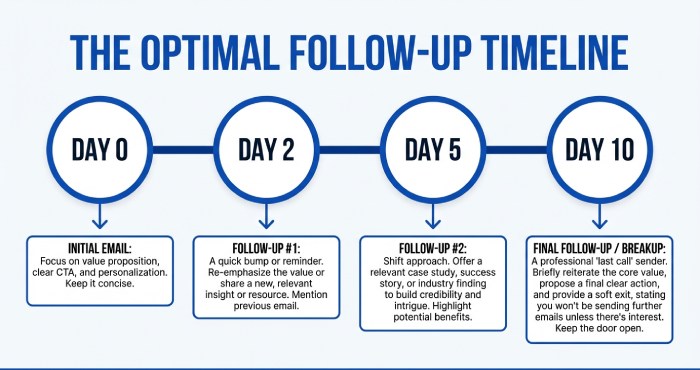
A well-timed cold email follow up taps into simple cognitive biases: recency, commitment, and salience. Most prospects are busy; your follow up email functions as a polite reminder that reduces decision friction. Build your email strategy around a waiting period that respects attention—48–72 hours after the initial email is a common starting point, then extend intervals as you add multiple follow ups. Use context cues (e.g., product launch cycles, fiscal year-ends, conference weeks) to improve relevance and avoid appearing pushy. AI can forecast ideal timing by learning when each prospect opens, clicks, and replies, guiding how long to wait between touches.
Reply-rate benchmarks and what they mean
Across B2B outreach, reply rate varies by industry, list quality, and subject line clarity. Backlinko and Forbes have both highlighted that response rates to cold email improve with personalization and concise value. Marketing Donut’s long-standing guidance to sales professionals persistence across several touches aligns with the reality that asales follow up often converts after the first email fails to land. Expect your outreach campaign to see reply rate lift with each relevant follow up, provided your pitch, offer, and call to action are specific. Track open rates and reply rates together to identify whether the bottleneck is your subject line or your message.
Setting expectations for conversion rate and sales cycle
A realistic conversion rate for a cold email follow up sequence depends on the sales cycle and offer complexity. Short, transactional offers may convert faster; enterprise deals require more nurturing within the sales process. Watch response statistics across cohorts; a healthy sequence shows steady improvements in conversion, not just opens. If reply rate stalls, rework the subject line and your personalized email angle around a sharper pain point and clearer benefit. Remember: cold email is prospecting, not closing. Use your follow up to earn a reply, a call scheduling link click, or a discovery step conducive to your sales cycle.
Set the Foundation: Goals, ICPs, Offers, and Value Props That Justify a Follow-Up
Goals, KPIs, and what a “win” looks like
Define what each follow up email should achieve—book a Calendly meeting, confirm the right contact, or qualify a lead. Set KPIs for reply rate, meeting conversion rate, and positive response rates. Your email strategy should sequence micro-asks: a short call to action early (e.g., “Worth a chat?”) and a bigger ask later (e.g., “Add to your calendar?”). Use template email variants to A/B test the subject line, CTA wording, and message length.
ICP segmentation and contextual personalization
Effective cold email starts with segmentation by ICP. Tailor each personalized email to role, industry, and current initiatives so your follow up lands with relevance. Reference the context you can legitimately observe—recent hiring, a job board ad, a product update, or a topic the prospect discussed in a LinkedIn thread or a Facebook group. If there’s a Mutual connection, mention it in the first email and reinforce it in a later follow up as social proof. Personalization should map to a clear pain point and link to a measurable benefit, not generic flattery.
Offers, value props, and the call to action
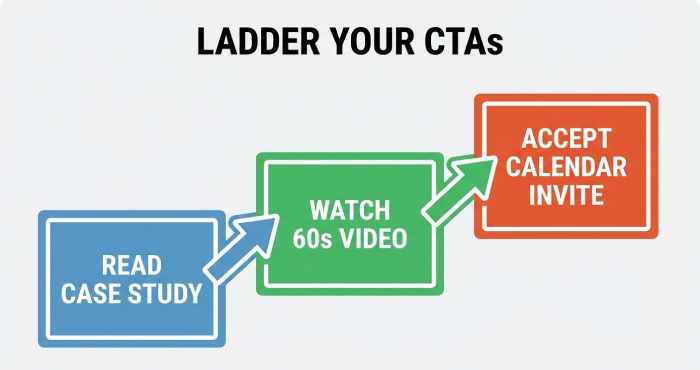
Clarify the value prop before you write a single template. The pitch should explain the problem you solve and the shortest path to value. For lighter touches, test a 9-word email as a minimalist follow up that reopens the loop with a single question. Each outreach campaign should ladder CTAs: view a case study, skim a 60-second video, or accept a calendar invite. Align the call to action with the commitment you’re asking for at each step of the sales process.
Field-proven perspective
Freelance and agency prospecting insights from practitioners like Ashley Gainer of Ink Well Guild underscore the power of specific offers and a helpful tone. In content marketing and services outreach, naming the deliverable, the outcome, and the timeline in a follow up email often lifts the reply rate because it reduces ambiguity for the prospective client.
Deliverability, Compliance, and Reputation: Domains, SPF/DKIM/DMARC, Warmup, CAN-SPAM/GDPR Basics
Technical setup that protects your domain
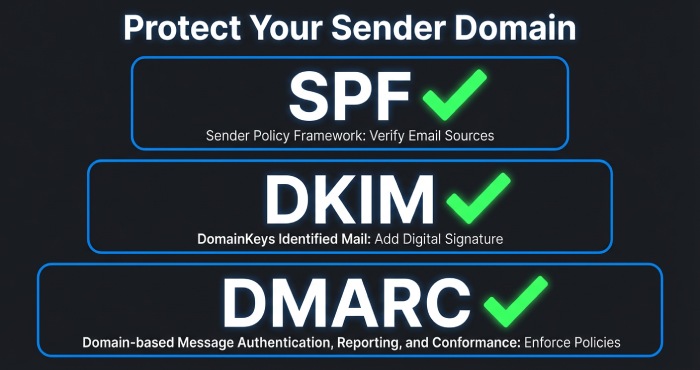
Set up a dedicated sending domain and subdomain for cold email and sales follow up to preserve your primary brand reputation. Implement SPF, DKIM, and DMARC correctly, then warm up gradually before scaling. Monitor open rates directionally, but remember open tracking can be noisy due to client-side privacy features. Rely on reply and meeting conversion rate as truer north stars.
Compliance and respectful communication
Comply with CAN-SPAM and GDPR basics: clear identification, a working physical address, and an easy opt-out. Maintain a polite, helpful tone and avoid tactics that feel pushy. Limit frequency, state your relevance in the subject line and body, and include reminders that the prospect can stop messages anytime. This posture builds long-term trust and a durable sender reputation.
Reputation and measurement hygiene
Use digital tracking for bounces, unsubscribes, and soft signals, but prioritize human outcomes like a sincere reply. Gmail and similar inbox providers reward consistent engagement; minimize spam complaints with clean lists and honest context. Automate non-intrusive reminders for yourself (e.g., Boomerang app) so you don’t forget the next follow up while staying within a considerate waiting period.
Your Toolchain: CRM, Sequencing Platforms, Enrichment, Intent, and No-Code Integrations
Core system of record and sequencing
Adopt a customer relationship management(CRM) to centralize contact history, response, and pipeline stages. Pair it with sequencing software or email outreach tools to schedule each follow up email, manage multiple follow ups, and sync replies back to the deal. Tools like Gmass layered on Gmail can handle mail merges, open tracking, and reply tracking for lean teams. The Boomerang app is useful for snoozing threads and setting personal reminders. For frictionless scheduling, embed a Calendly link with clear time options.
Data enrichment, intent, and prioritization
Use enrichment and intent data to spot accounts with active buying signals—recent hiring, technology installs, or relevant visits. Segment your outreach campaign by intent tier to refine timing and frequency. Sales professionals at firms like IRC Sales Solutions often stress calling or messaging high-intent contacts within hours; mirror that urgency in your email strategy when signals spike.
No-code integrations and automations
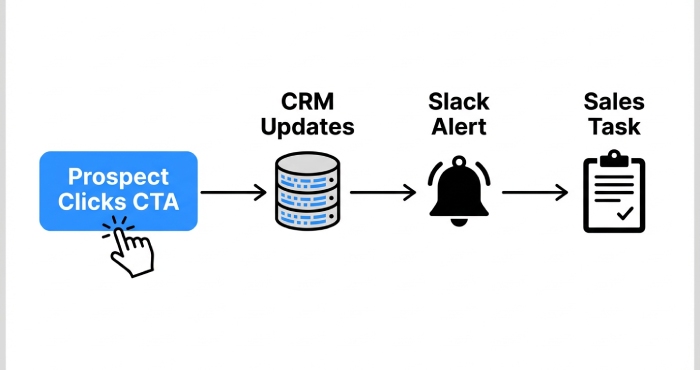
Create no-code integrations so that when someone clicks your call to action, the CRM updates, a Slack alert fires, and a task for a sales follow up is created. Trigger a different template when a prospect views your pricing page or when a job board listing suggests a need. Keep automation human by gating key steps behind manual review to preserve personalization.
Sequence Architecture: Cadence, Channel Mix, Triggers, and Beginner-to-Pro Follow-Up Maps
Cadence and frequency that respect attention
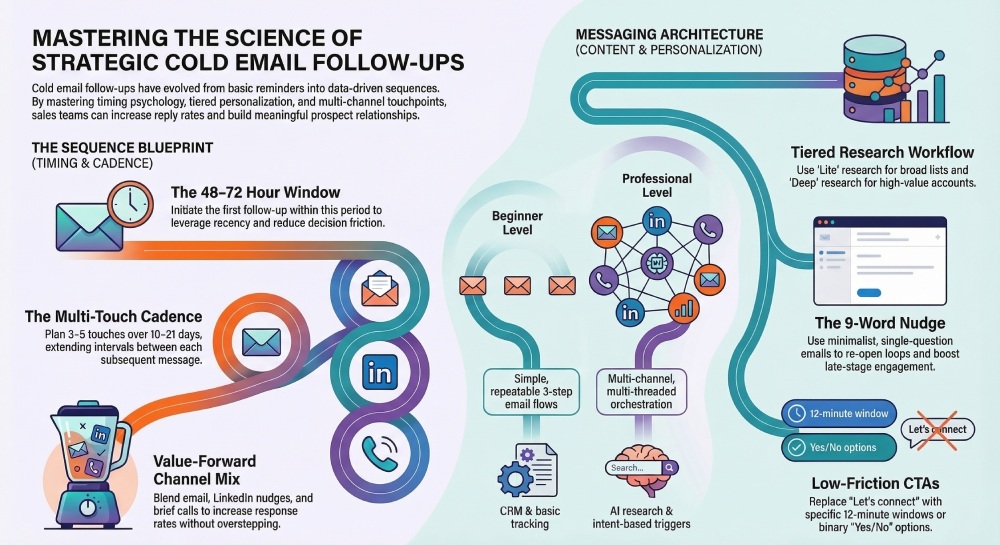
Design a cadence that answers three questions: how many times, how long to wait, and which channels. A simple pattern: Day 0 first email, Day 2 light reminder, Day 5 value drop, Day 10 social touch, Day 20 final check-in. Adjust frequency by ICP seniority executives favor fewer, tighter messages. Every
should add net-new value: a case study, a benchmark, or a short Loom. If you can’t add value, don’t send the follow up.
Channel mix and meeting acceleration
Blend channels email, LinkedIn, and a brief call attempt to increase response rates without overstepping. Use call scheduling links sparingly; pair Calendly with two time suggestions in plain text to reduce cognitive load. A sales email that warms interest, followed by a quick voice mail and a LinkedIn nudge, often boosts reply rate while keeping a professional, non-pushy cadence.
Triggers, branches, and AI assistance
Trigger different branches based on response and engagement. If a prospect clicks the deck but doesn’t reply, trigger a follow up email with a subject line referencing the asset and a softer call to action. If they open multiple times, elevate priority. AI can draft a personalized email that maps your value to the prospect’s pain point and role, then recommend the next reminder based on historical response statistics.
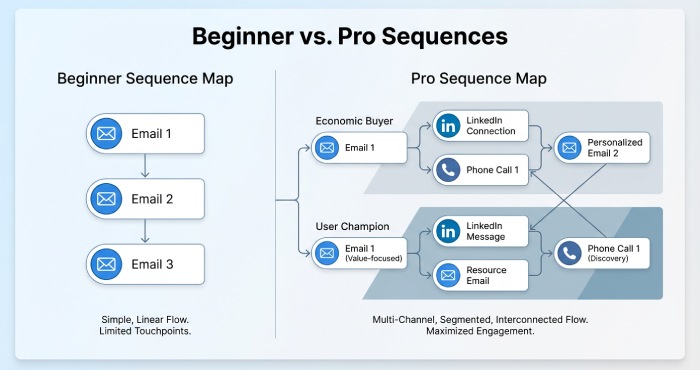
Beginner map: a simple, repeatable flow
- Email 1 (initial email): Clear subject line, 2–4 sentences, one call to action.
- Email 2 (light reminder): Short nudge, add one fresh benefit; include a calendar link.
- Email 3 (value forward): Share a relevant insight or template; restate the pitch succinctly. Use a single template email per step, test one variable at a time, and log tracking in your CRM.
Pro map: multi-threaded, multi-channel orchestration
- Thread A (economic buyer): Strategic outcomes, ROI, concise call to action.
- Thread B (user champion): Features, workflow benefits, quick win template.
- Social touches: Like/comment on LinkedIn posts; reference those touches for context in a later follow up email.
- Phone: One courteous attempt after demonstrated interest.
- Final message: A 9-word email or a zero-pressure close. Layer segmentation, intent scoring, and AI summarization to craft highly personalized email variants at scale. Use outreach tools to ensure each cold email follow up advances the conversation without redundancy.
Subject lines and message assets that move needles
Subject line principles for cold email: clarity beats clever. Test role-specific hooks (“Question about your Q3 pipeline model”), benefit-led lines (“Cut onboarding time by 30%?”), or context ties (“Saw your job board ad”). Avoid spammy phrasing. In-body, keep your call to action singular. Offer a concise next step, like “Open to a 12-minute walkthrough?” or “Should I loop in your RevOps lead?” Include a template or checklist when useful.
Real-world nuance and responsible persistence
You’re writing to a potential client, not a persona. Keep a helpful tone, cite relevance, and gracefully bow out if asked. Sales follow up should feel like service. Cite credible voices Forbes on executive brevity, Backlinko on outreach patterns to educate the reader within your messages. For teams doing content marketing outreach, reference why your piece fits their audience, not just your needs. Whether you’re using Gmass in Gmail or a full platform, the best cold email follow up sequences combine respectful timing, sharp value, and a clear path to reply.
Copy That Converts: Subject lines, structures, CTAs, social proof, and proven follow-up templates
Subject lines that earn the open
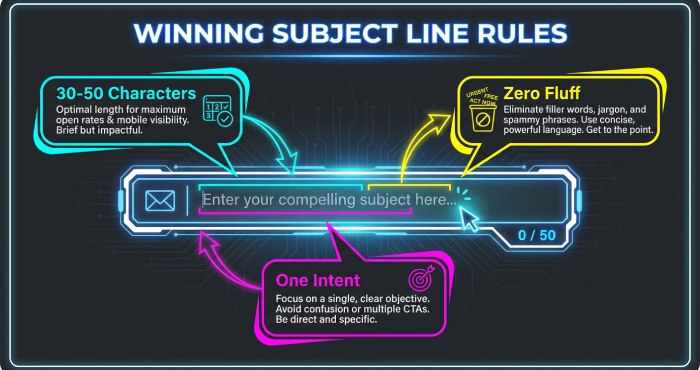
Your subject line is the gateway to the rest of the message. Keep it short, specific, and anchored to a clear benefit or context cue. Backlinko’s analyses show concise subject lines with one concrete idea can lift open rates, and our data echoes that: 30–50 characters, one intent, zero fluff. Examples:
- Quick idea to halve your QA time
- Re: your job board ad for SDRs
- Question about [tool] rollout in Q3
Tie the subject line to the initial email thread in a cold email follow up so recipients see continuity (e.g., “Following up on [X] decision”). Use open tracking judiciously—open rates matter, but your north star is reply rate and downstream conversion rate. Tools like Gmass and the Boomerang app inside Gmail make open tracking and reminders easy, but don’t over-optimize the subject at the expense of substance.
Email structures that drive response
A crisp structure beats clever prose. For both the first email and every follow up email, rely on:
- Triggered context: Name the moment (job board posting, product launch, LinkedIn hire).
- Credibility shard: One sentence of social proof or Mutual connection.
- Problem frame: State the pain point in their language.
- Value micro-proof: One result, metric, or feature usage relevant to their team.
- Focused call to action: A single next step with clear scheduling options.
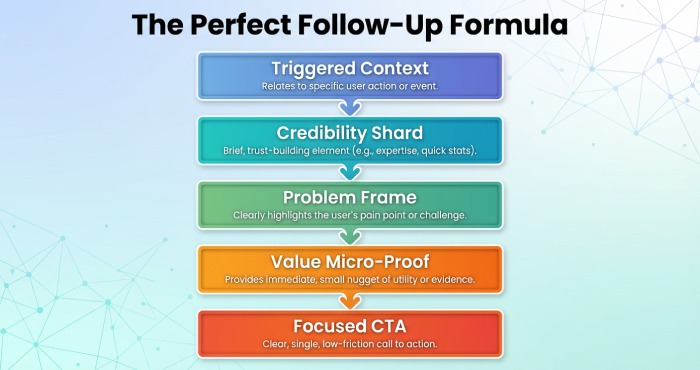
This structure keeps your email strategy consistent across an outreach campaign while leaving room for a personalized email. It also shortens the time-to-response in busy sales cycles.
CTAs and social proof that move deals
Your call to action should be unambiguous and low-friction. Instead of “Would love to connect,” try “Open to a 12-minute call next week?” Include two time windows or a Calendly link for call scheduling. Social proof works best when it mirrors the prospect’s context: “Helped a SaaS team reduce churn 18% in 90 days” beats a generic logo parade. Cite credible sources as shorthand authority Forbes coverage, a Marketing Donut benchmark, or a case validated by IRC Sales Solutions without turning your sales email into an ad, and ensure your Nureply messaging still feels personal, relevant, and easy to respond to.
Proven follow-up templates you can adapt
Use these as a base template, then personalize for relevance and tone. Each template is designed for a cold email follow up in an outreach campaign.
- Bump (48–72 hours after initial email; polite, helpful tone) Subject: Re: quick idea for [team] Body: Hi [Name]—circling back in case this fell through the cracks. Helped [peer company] cut [pain point] by [metric]. Open to a 12‑minute chat Wed/Thu? If not you, who owns [area] on your team? —[You]
CTA: 2 time options + Calendly link
Reminder: Set Boomerang/Gmass reminder if no reply. - Context hook (after a waiting period tied to a trigger) Subject: [Tool] launch + your [team] goals Body: Noticed your [LinkedIn post/job board ad] about [initiative]. We solved [specific problem] for [relevant role] using [feature]. Worth a quick look?
CTA: “Should I send a 2-slide summary or set up a call?” - 9-word email nudge (minimalism to boost reply rate) Subject: Quick question on [initiative]
Body: Still exploring ways to improve [one outcome] this quarter? - Social proof follow up (sales follow up with proof point) Subject: Re: [pain point] in [dept] Body: Sharing a 90‑day snapshot: [short metric]. If similar results would help your team, is a 15‑min review worth it?
Remember to thread replies for continuity so each follow up email benefits from the prior context. As frequency guidelines, plan multiple follow ups: 3–5 touches over 10–21 days. Communicate exactly how many times you’ll follow up (“I’ll check back twice this month”) to avoid feeling pushy.
Personalization That Scales: Research workflows, tiers (lite/deep), dynamic fields, and safeguards
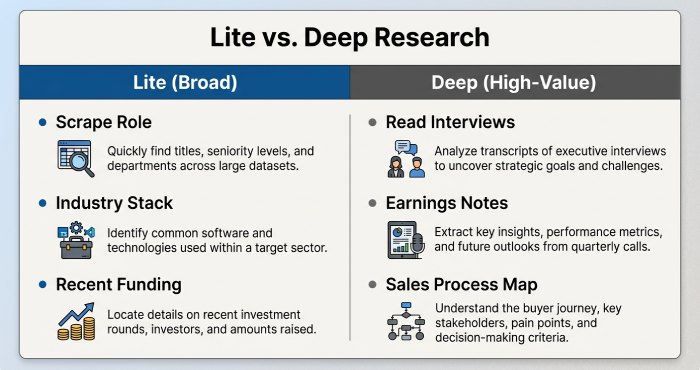
Research workflows: lite vs deep
Adopt two tiers. Lite research for broad prospecting: scrape role, industry, stack, recent funding, and a LinkedIn highlight. Deep research for high-value accounts: read a recent interview, earnings call notes, and a Facebook or LinkedIn group post; map the sales process; and identify a quantifiable benefit. Ashley Gainer’s Ink Well Guild approach to content marketing outreach is a good model: prioritize resonance with a prospective client’s voice over volume.
Dynamic fields and safeguards
Use dynamic fields for role, tech, KPI, and trigger events inside your template email. Guardrails:
- Fallbacks: If a field is missing, default to neutral text so a personalized email never ships with blanks.
- Relevance checks: Flag mismatches (e.g., praising a feature they don’t use).
- Toxicity filters: Prevent off-tone or pushy phrasing.
Segmentation matters—group prospects by industry, maturity, or sales cycle length so your email strategy, timing, and call to action fit their buying motion.
Relevance, tone, and polite nudges
Personalization is not about flattery; it’s about context. Reference the job board ad they posted, a feature release, or a campaign they ran. Keep a helpful tone and add value in each follow up: a one-page brief, a benchmark, or a short loom. Ask how long to wait or propose a specific waiting period to respect their calendar.
Automation Mechanics: Conditional logic, branching, throttling, load balancing, and handoffs
Conditional logic and branching
Build decision trees in your outreach tools. Examples:
- If open tracking shows 2+ opens but no reply, branch to a short “Is this relevant?” nudge.
- If a link click occurs, branch to a product-specific case study.
- If out-of-office detected, reschedule the next follow up email to the date in the autoresponder and add a reminder.
Gmass, Boomerang, and similar email outreach tools integrate with Gmail to power these branches with minimal setup.
Throttling, load balancing, and deliverability
Throttle sends to avoid deliverability hits and to keep your team’s load balanced. Send at natural business hours aligned to prospect time zones. Cap daily volume per inbox and rotate through pooled domains to protect reputation. Load balancing ensures your sales professionals can handle responses quickly, protecting reply rate and conversion rate during peak moments.
Handoffs, scheduling, and human review
When a prospect replies with interest, hand off to an AE with context: thread history, detected pain point, and any committed next steps. Automate call scheduling by proposing two times and including a Calendly link. Insert a manual review step for high-value accounts before the second or third sales follow up to confirm relevance and adjust the pitch or features highlighted.
AI in the Loop: Research summarization, variant generation, tone control, red-teaming, and guardrails
Research summarization and pain-point extraction
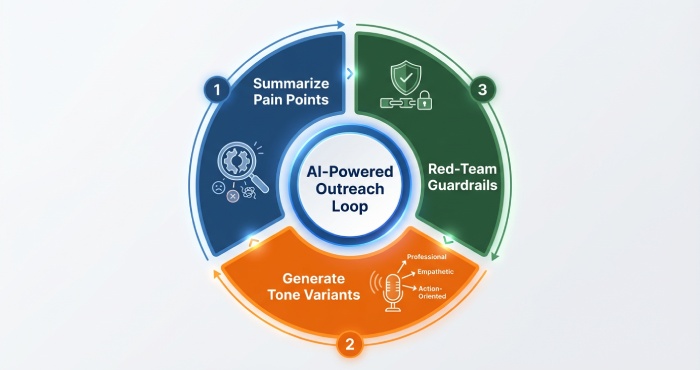
Use AI to condense annual reports, product pages, or interviews into a brief with the top 3 pain points, relevant key performance indicators (KPIs), and language cues. Feed that into your template so each personalized email mirrors the prospect’s wording and increases response rates.
Variant generation and tone control
Have AI generate 3 subject line variants, 2 CTA wordings, and 1 concise 9-word email for each sequence step. Control tone: polite and concise for executives; energetic for operators. Keep human-in-the-loop edits to ensure the pitch fits the sales process and avoids sounding robotic.
Red-teaming and guardrails
Red-team your sequences for compliance, accuracy, and cultural fit. Guardrails should flag risky claims, mismatched titles, or over-promising benefits. Enforce frequency limits, specify how many times you’ll follow up, and cap how long to wait between touches based on the sales cycle stage.
Measure and Improve: A/B testing, reply quality scoring, pipeline impact, and optimization sprints
A/B testing and reply quality scoring
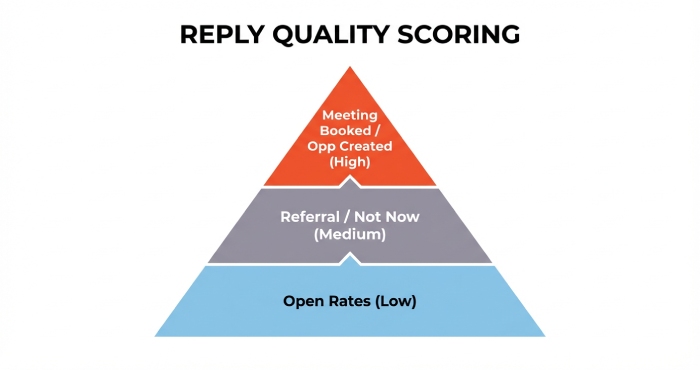
Test one variable at a time: subject line, CTA, social proof sentence, or timing. Score replies by quality (no, not now, referral, meeting booked, opportunity created) to tie reply rate to true conversion. Track response statistics and open rates, but prioritize meaningful response over vanity metrics.
Pipeline impact and response statistics
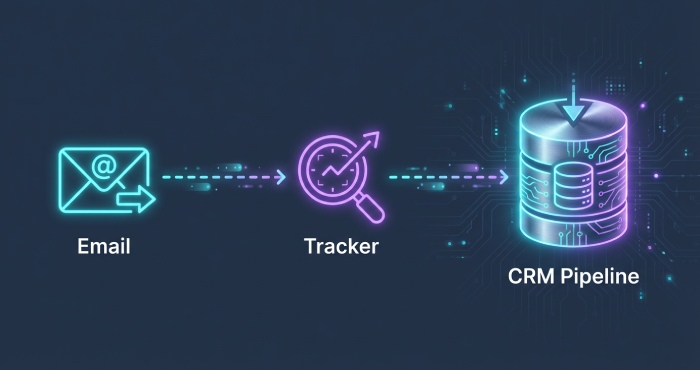
Connect digital tracking to CRM stages so you can report pipeline impact: meetings, SQLs, revenue. Attribute which follow up email produced the meeting and which subject line lifted engagement. Marketing Donut’s reminder that most sales require multiple touches aligns with what we see: a disciplined sales follow up cadence drives measurable conversion rate lifts.
Optimization sprints and actionable pointers
Run two-week sprints. Pick your lowest-performing step, rewrite the template, adjust timing, and re-test. Share learnings across the team with examples from Forbes‑featured case studies or Backlinko-style tear-downs. Keep a living playbook of actionable pointers: best CTAs by persona, effective reminders cadence, and the top-performing outreach campaign for each segment.
FAQs
How many times should I follow up on a cold email?
Plan multiple follow ups—typically 3–5 touches over 2–3 weeks—then pause or move to a lighter quarterly check-in. State your frequency up front to avoid feeling pushy, and ensure each follow up email adds new value.
How long should I wait between follow ups?
Use a waiting period of 48–72 hours after the first email, then widen to 4–7 days as the sequence progresses. Respect out-of-office replies and adjust to the prospect’s calendar and sales cycle.
What’s a strong call to action for busy executives?
Offer a binary choice and short duration: “Open to a 12‑minute review next week?” Include two time slots or a Calendly link, or ask if you should send a 2‑slide summary first.
Which tools help with tracking and reminders?
Gmass and the Boomerang app inside Gmail support open tracking, reminders, and scheduling. Pair them with a CRM for digital tracking of reply rate, response rates, and pipeline impact.
How do I personalize at scale without mistakes?
Use tiered research (lite vs deep), dynamic fields with fallbacks, and safeguards that flag irrelevant references. Keep the tone helpful, reference the right context (e.g., a LinkedIn post or job board ad), and avoid assumptions.
Do social platforms matter in B2B cold email?
Yes. Referencing a relevant Facebook group thread or a LinkedIn announcement can boost relevance. Always tie the mention to a concrete benefit or pain point.
Are 9-word emails still effective?
They can be, especially as a late-stage cold email follow up to re-engage a potential client. Use them sparingly and ensure the question maps to a clear benefit the customer cares about.
Any examples of social proof that work well?
Industry-peer outcomes, press mentions (Forbes), or credible firms (IRC Sales Solutions) resonate. Tie the proof to the prospect’s role and features they use to increase conversion.
Key Takeaways
- Stack a clean structure, specific subject line, and a single call to action to lift reply rate and conversion rate.
- Use tiered research, dynamic fields, and safeguards to personalize every follow up email without errors.
- Deploy conditional logic, throttling, and human handoffs to keep your outreach campaign responsive and compliant.
- Put Artificial intelligence (AI) to work for research summaries, variant generation, and guardrails—always with human edits.
- Measure beyond opens: optimize for reply quality, pipeline impact, and run regular optimization sprints with clear reminders.