Cold Outreach Techniques For B2B Saas: Playbooks, Templates, And Follow-Up Tips
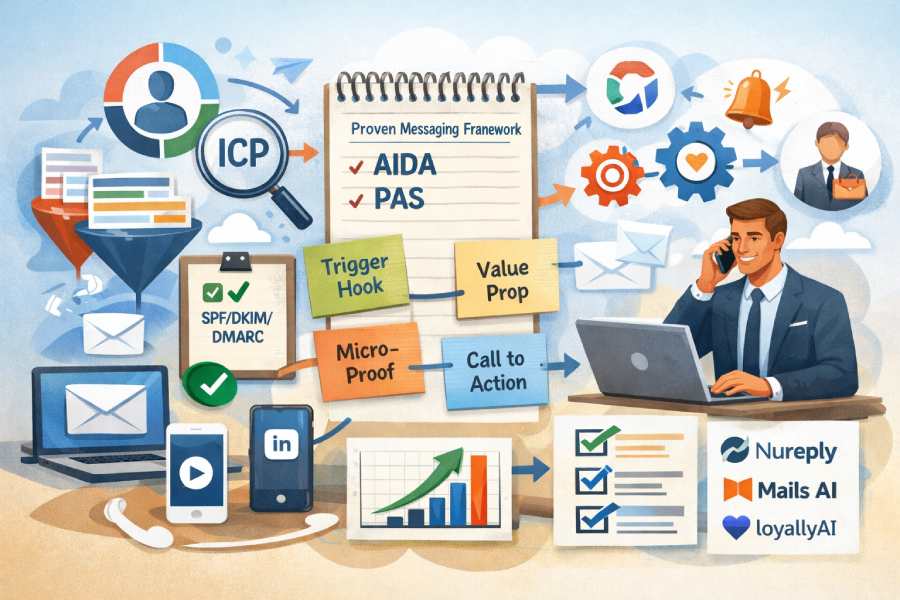
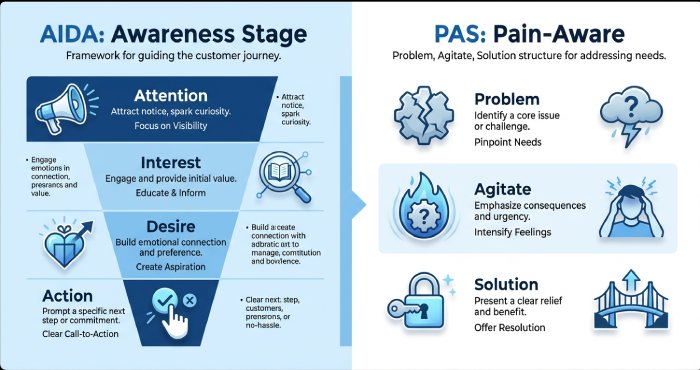
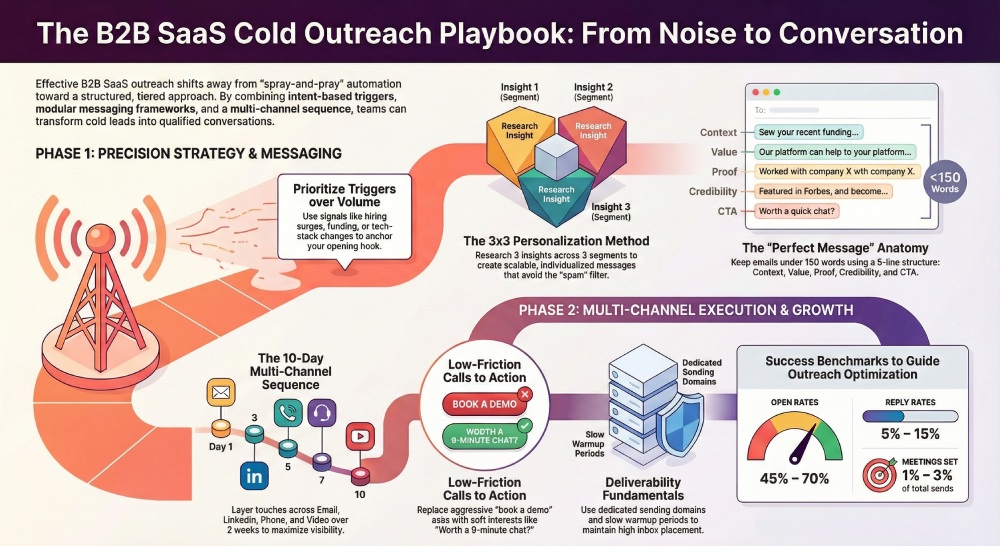
Cold outreach techniques for B2B SaaS work best when built on a clear ICP, tight segmentation, and structured playbooks that prioritize relevance over volume. Start with proven frameworks like AIDA (Attention, Interest, Desire, Action) for awareness-stage prospects, PAS (Problem, Agitate, Solution) for pain-aware buyers, and the 3×3 method (3 insights across 3 segments) for scalable personalization. Your opening line should reference a trigger—recent funding, hiring trends, tech stack changes, or a LinkedIn post—then quickly connect it to a measurable outcome your SaaS delivers (revenue lift, cost savings, time reduction, or risk mitigation).
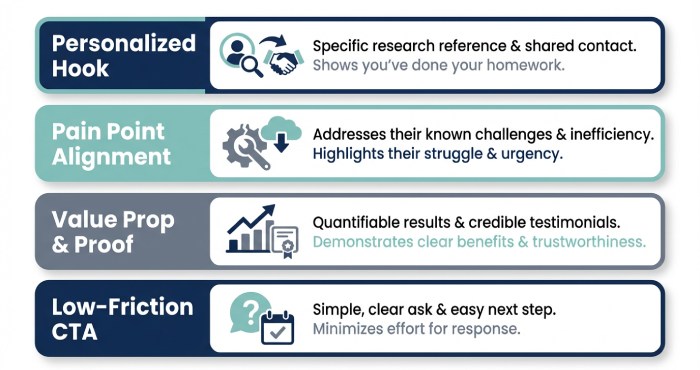
Keep templates modular: personalized hook, pain alignment, concise value proposition, micro-proof (case study metric or recognizable logo), and a low-friction CTA like “Worth a 15-min chat?” Follow-up strategically over 2–3 weeks with 5–7 touches, each adding new value instead of repeating the pitch—share a relevant insight, short audit, mini case study, objection handler, or industry benchmark—while keeping emails under 120–150 words for readability.
Use multichannel layering (email + LinkedIn + light retargeting), test subject lines that spark curiosity without clickbait, and always close with a single, simple task. Above all, optimize for reply rates, not send volume, because in B2B SaaS, quality conversations beat mass automation every time.
Cold outreach techniques for B2B SaaS: playbooks, templates, and follow-up tips
Cold outreach remains one of the most controllable levers for B2B growth—especially when your team pairs an intentional outreach strategy with personalized templates and disciplined follow-up emails. Done well, cold email can grab attention, spark conversation, and drive qualified leads without feeling salesy or resembling spammy emails. Whether you’re a solopreneur launching a new SaaS or part of a growing outbound sales team, the right playbooks help you connect authentically, avoid being ignored, and transform your business with repeatable results.
A simple B2B SaaS playbook that works
- Define ICP and buying triggers
- Build a clean prospect list with intent signals
- Set up domains, SPF/DKIM/DMARC, and warmup
- Use personalized templates that spark conversation
- Schedule follow ups with varied angles
- Track open rates, reply rates, and response rate to optimize outreach
Personalized templates that grab attention
Personalized templates are not long-form pitches; they’re individualized messages designed to grab attention fast, avoid sounding salesy, and create real connections. Start with a conversation starter, reflect a clear value proposition, and add a low-friction call to action.
Follow-up tips to keep engagement high
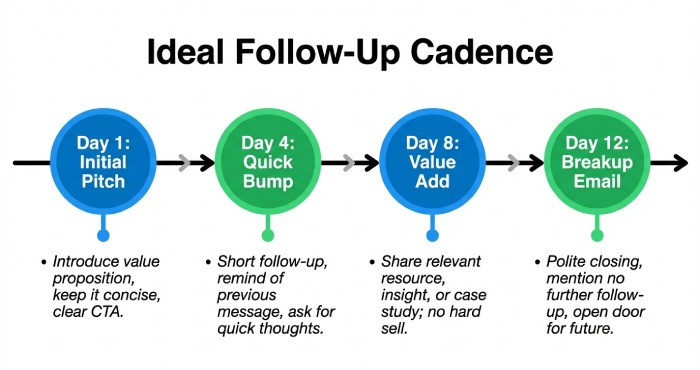
Most replies come from follow-up emails. Schedule follow ups every 2–4 business days, rotate messaging angles, and keep each touch short to avoid outreach mistakes. Use automation tools like Mails AI or loyallyAI to manage cadence without turning into spammy emails.
Setting the strategy: when cold outreach fits, goals, and benchmarks for B2B SaaS
Cold outreach shines when you need a pipeline now, have a focused targeting plan, or are educating a market that doesn’t know how to search for your solution. It’s ideal for B2B innovators and service-based entrepreneurs who must generate demand proactively via outbound.
When cold outreach fits vs. other channels
- Early-stage: A solopreneur validating ICP can use cold email to test offers quickly.
- Mid-scale: Outbound augments inbound and referrals to accelerate business growth.
- Niche verticals: Finding the right prospects manually outperforms broad ads when budgets are tight and inbox competition is fierce.
Goals and benchmarks to guide the outreach strategy
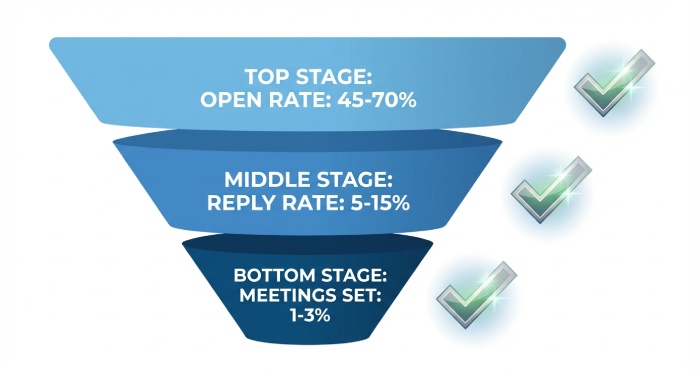
- Open rates: 45–70% when your subject line is relevant and sending reputation is healthy.
- Reply rates/response rate: 5–15% with targeted lists and offers that earn replies.
- Meetings set: 1–3% of total sends for well-run B2B sales outreach.
Calibrate goals per segment, measure weekly, and adjust copy and targeting to optimize outreach and keep your outreach game strong.
Common pitfalls to avoid
Avoid outreach mistakes like bloated pitches, spray-and-pray lists, and spammy emails. Keep your authentic approach, focus on getting replies (not closing deals in-email), and always add value before asking for time.
Defining ICP, buying triggers, and offers that earn replies
Finding the right prospects starts with a crisp ICP, then layering behavioral data and buying triggers to time the approach.
ICP and focused targeting
Document company size, tech stack, key personas, and location targeting. For service-based entrepreneurs and solopreneurs, start narrow: one vertical, one use case. Focused targeting raises open rates and reply rates while lowering the chance of ignoring cold emails.
Buying triggers that spark conversation
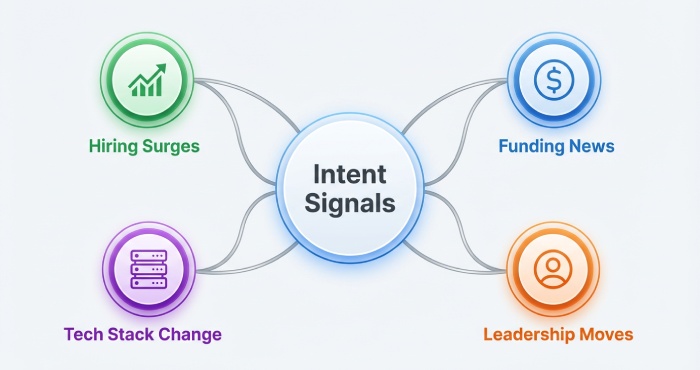
Look for signals such as hiring surges, tool migrations, funding, or leadership changes on LinkedIn. Monitor cold leads for content topics, partnership announcements, or job posts to craft individualized messages that spark conversation.
Offers and value propositions that earn replies
Your value proposition should be specific and credible. Instead of “we boost revenue,” try “cut trial-to-paid churn by 18% for PLG teams.” Offers that grab attention include brief audits, a trusted introduction to a relevant peer, or sharing a short cold outreach tutorial that proves expertise. A soft call to action like “worth a 9-minute chat?” often outperforms aggressive asks and feels less salesy to B2B buyers.
List building and data enrichment: sources, intent, and compliance (GDPR/CAN‑SPAM)
A clean prospect list is the backbone of any outreach campaign. Combine multiple sources, enrich with context, and respect privacy laws.
Sources and enrichment
- LinkedIn and connection requests
- Conference attendee lists and communities (e.g., MiTL, Team MiTL)
- Client referrals and referral partners
- Vendor directories, technographics, and cold leads databases
Enrich with role, tech, content topics, and recent events. Practitioners like Dan Marzullo (Danmarzullo.com), AJ Cassata, Trevor Chapman, Tommy (Team MiTL), Robin Ayme, Chuck Tongco, and Shyyen Tongco regularly share B2B prospecting ideas via LinkedIn and shows like Mornings in the Lab with Keith, Jon & Friends.
Intent and behavioral data
Layer intent providers and first-party behavioral data (product signups, pricing page visits) to time outreach. This raises engagement and helps a solopreneur or service-based entrepreneurs avoid being salesy by messaging with relevant context.
Compliance essentials
- GDPR: Establish lawful basis (legitimate interest or consent), offer easy opt-out, and store data responsibly.
- CAN‑SPAM: Include physical address, clear identification, and simple unsubscribe.
Keep follow-up emails respectful, limit frequency, and solicit feedback to maintain an authentic approach and real connections.
Deliverability fundamentals: domains, SPF/DKIM/DMARC, warmup, and sending limits
A great copy won’t matter if your emails don’t land.
Domains and authentication
- Use a separate but branded sending domain (e.g., get.yourbrand.com).
- Configure SPF, DKIM, and DMARC to signal legitimacy.
- Maintain clean DNS and consistent sending patterns to protect domain reputation.
Warmup, sending limits, and reputation hygiene
Warm new domains slowly, ramping from 20–30 to a few hundred sends/day. Respect sending limits per mailbox. Avoid spammy emails by removing hard bounces, throttling sends, and pausing sequences when open rates dip.
Monitor and iterate
Track open rates, reply rates, and spam folder signals. Tools like Mails AI and loyallyAI can automate warmup, schedule follow ups, and surface insights to optimize outreach without risking deliverability.
Messaging frameworks that convert: hooks, value props, relevance, and CTAs
Strong messaging is about crafting the perfect message for B2B buyers—clear, relevant, and brief. The goal is to grab attention, spark conversation, and guide a next step.
Hooks that grab attention
Open with relevance, not credentials. Examples:
- “Noticed {Trigger}—how are you handling X today?”
- “Saw you hiring 3 SDRs—interested in cutting ramp time by 30%?”
These hooks help avoid being ignored and feel less salesy, even for busy executives.
Subject line formulas to nail cold outreach
- “Idea re: {Trigger}”
- “Question about {Team/Tool}”
- “Quick win for {Metric}”
Short, specific subject lines lift open rates and make ignoring cold emails less likely amid inbox competition.
Crafting the perfect message with relevance
Keep your cold email to 4–7 concise lines:
- Line 1: Context (trigger-based)
- Line 2–3: Value proposition with proof
- Line 4: Social credibility (mini case, referral, or trusted introduction)
- Line 5: Call to action (one simple choice)
This structure works across outbound and sales outreach motions and helps a solopreneur sound authoritative without being salesy. Service-based entrepreneurs can adapt the same flow to demonstrate outcomes and connect authentically.
CTAs and conversation starters
Favor a one-click or one-sentence ask:
- “Open to a 10‑minute teardown?”
- “Should I send the 3-slide benchmark?”
- “Who owns {Process} on your team?”
These CTAs are conversation starters that spark conversation and increase response rate. If you don’t get a reply, schedule follow ups that switch angles: case study, quick loom, or a light nudge requesting feedback.
Personalized templates and individualized messages
Personalized templates let you scale without generic blasts. Structure the template but insert individualized messages based on role, pains, or triggers. This balance helps you consistently craft the perfect message, keep outbound humans, and maintain business growth momentum.
Practical add-ons:
- A P.S. with a micro-offer for leads not ready to book
- A no-pitch resource (e.g., checklist or cold outreach tutorial) to build engagement
- A gentle ask for referrals when timing isn’t right
By combining disciplined deliverability, focused targeting, and an authentic approach to crafting the perfect message, your B2B cold outreach will grab attention, avoid spammy emails, and spark conversation that moves deals into your sales process. Over time, these practices help you nail cold outreach, get more leads, and steadily transform your business.
Personalization at scale: research workflows, tiers, and smart variables
Tiered research framework
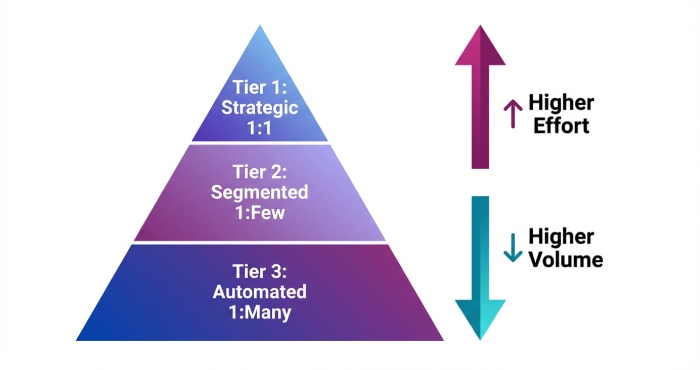
Scaling personalization without sounding salesy starts with a repeatable, tiered workflow. Build a prospect list with three tiers based on deal size and fit so you’re consistently finding the right prospects:
- Tier 1: 1:1 research for strategic B2B accounts. Read recent press, webinars, and LinkedIn posts to craft individualized messages that grab attention and spark conversation.
- Tier 2: 1:few research by segment (industry, tech stack, role). Use focused targeting and behavioral data to tailor personalized templates that feel like you’re crafting the perfect message for each micro-audience.
- Tier 3: 1:many personalization using smart variables. Pull public data (location targeting, title, tool stack) so cold email at scale never drifts into spammy emails.
This tiering helps solopreneur sellers and service-based entrepreneurs prioritize time, reduce outreach hurdle friction, and keep cold outreach aligned to business growth.
Smart variables and dynamic fields
Use dynamic fields to blend automation with an authentic approach. Smart variables such as {{role_pain}}, {{recent_post}}, {{integration_gap}}, and {{comp_tool}} allow your cold outreach to reference specifics without manual effort. In cold email and LinkedIn messages, these variables keep your outreach strategy relevant, help avoid being ignored, and make personalized templates repeatable. As AJ Cassata and Trevor Chapman often note in cold outreach tutorial sessions, great personalization should connect authentically, not overload details.
Example variable map
- {{trigger}} = “Saw your headcount jump 30%—congrats”
- {{proof}} = “Case study with B2B agency cutting no-shows 37%”
- {{next_step}} = “Worth a 12‑minute call Tuesday?”
Personalization QA and operations
Operationalize quality. Have a quick QA checklist so individualized messages never look like spammy emails:
- Check subject line relevance to the target audience and scenario.
- Verify every variable resolves correctly.
- Keep the call to action singular and low-friction.
- Read aloud to remove salesy jargon and craft the perfect message that sounds human.
Leverage email automation tools like Mails AI and loyallyAI to pre-validate variable logic, enrich cold leads, and suggest conversation starter angles. Dan Marzullo and the Team MiTL crew (Tommy from MiTL, plus voices heard on Mornings in the Lab with Keith, Jon & Friends) frequently stress how these small safeguards transform your business outcomes by improving open rates and reply rates without sacrificing real connections.
Multichannel outreach playbooks: email + LinkedIn + phone + video sequences
Channel roles and sequencing logic
In B2B outbound sales, each channel earns a specific job:
- Cold email: scalable distribution to grab attention with a crisp value proposition.
- LinkedIn: warm up with connection requests, light engagement, and trusted introduction paths.
- Phone: qualification and fast context, especially when ignoring cold emails is common.
- Video: loom-style micro-demos that spark conversation in 60–90 seconds.
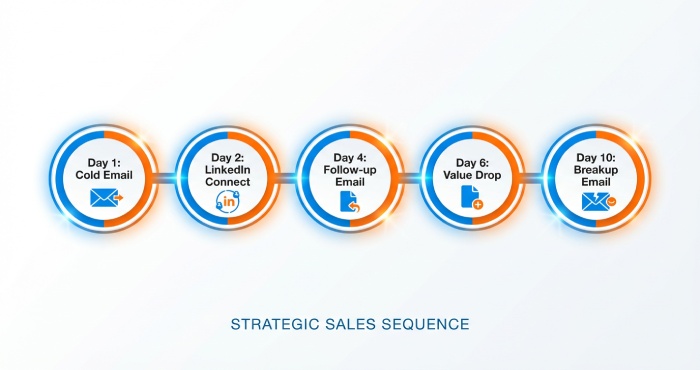
A sample 10-day sequence to optimize outreach:
1. Day 1: Cold email #1 (pain + proof + CTA)
2. Day 2: LinkedIn visit + connect authentically (no pitch)
3. Day 3: Phone voicemail referencing email
4. Day 4: Follow-up emails (bump with new insight)
5. Day 6: LinkedIn DM (value drop—framework, checklist)
6. Day 8: Video message (screen share with tailored point)
7. Day 10: Breakup email with referral ask
LinkedIn connection requests and DMs best practices
Keep connection requests short and non-salesy: reference a post, event, or shared group. After acceptance, lead with a conversation starter, not a pitch. Robin Ayme and Chuck Tongco often demonstrate how micro-engagement (commenting thoughtfully) raises response rate before any sales outreach. For service-based entrepreneurs and solopreneurs, this layer helps avoid outreach mistakes and builds real connections.
Phone and video touches that spark conversation
Use the phone to validate need and earn permission for detail. A 30-second voicemail that acknowledges an outreach campaign and offers a helpful resource can grab attention fast. Video works brilliantly for integration-led and competitor switch plays—show, don’t tell. Shyyen Tongco’s tip: keep the CTA binary (“Should I send the 2-slide ROI snapshot?”) to make getting replies easy.
Proven SaaS cold outreach playbooks by scenario
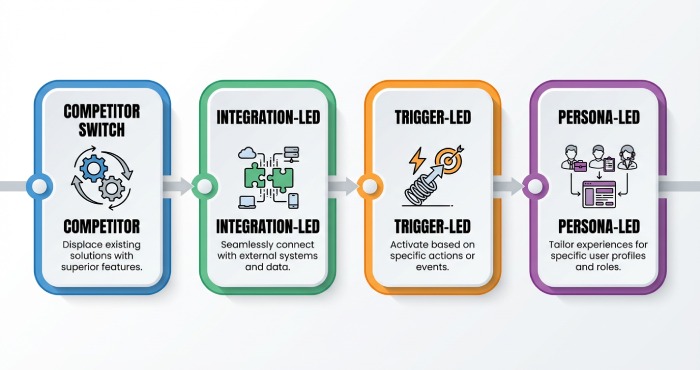
Competitor switch
- Angle: “You’re paying for X features you’re not using; switch to keep the essentials.”
- Email opener: “Noticed {{tool}} + {{pricing_tier}}—teams like {{peer_logo}} trimmed 28% cost with us.”
- CTA: “Open to a side-by-side this week?”
This outreach strategy works in B2B where budgets are tight and spammy emails are rampant; crafting the perfect message around risk mitigation will grab attention without sounding salesy.
Integration-led
- Angle: “Make your stack talk to itself.”
- Opener: “We plug {{our_tool}} into {{prospect_stack}} in 48 hours, no engineering time.”
- CTA: “Worth a 12‑minute scoping call?”
Pairs well with video to spark conversation and show workflow screens. Perfect for solopreneur teams needing business growth from operational wins.
Trigger/event-led
- Angle: Time-sensitive signals (funding, hiring spikes, new leadership).
- Opener: “Saw your Series A—congrats. Teams at your stage use us to accelerate lead generation.”
- CTA: “Want our 4-step B2B outbound checklist?”
Focus on finding the right prospects when timing is right, so cold outreach feels helpful, not salesy.
Persona-led
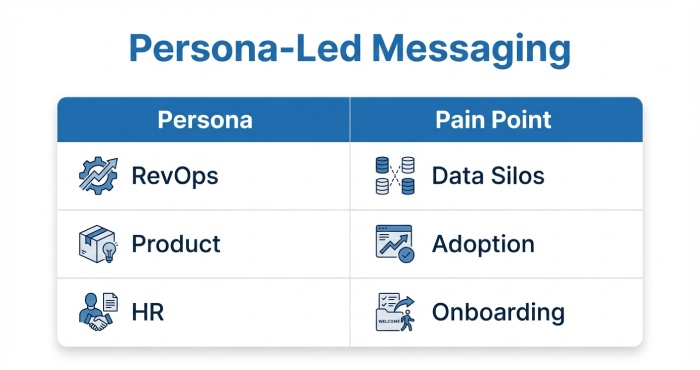
- Angle: Tailor by role (RevOps, Product, HR).
- Opener: “RevOps leaders tell us forecasting suffers when SDR notes live in 6 tools.”
- CTA: “Should I send the audit template?”
This lets you deploy personalized templates that resonate with the target audience and avoid being ignored.
Templates and scripts library: subject lines, first-touch, bump, breakup, referral, and reactivation
Subject line formulas that grab attention
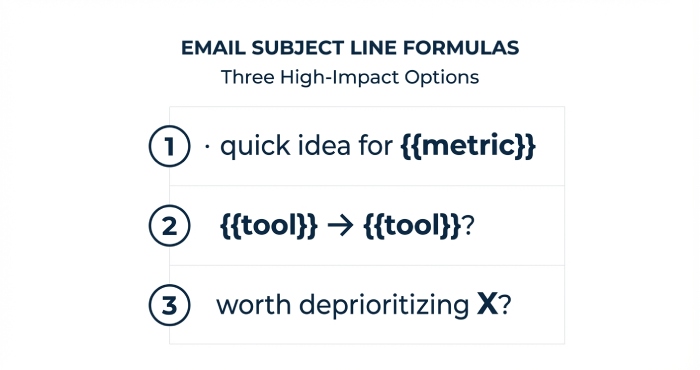
Use short, curiosity-led lines that avoid spammy emails:
- “quick idea for {{metric}}”
- “{{tool}} → {{tool}}?”
- “worth deprioritizing X?”
Personalized templates should tie the subject line to a trigger or integration to lift open rates.
First-touch and value proposition openers
- “You’re hiring 5 AEs—down-funnel no-shows become expensive. We cut them 37% with calendar rules. Open to 10 mins?”
- “Noticed {{competitor}} renewal coming up. Kept core features, shaved 28% spend. Share the 2‑slide summary?”
These craft the perfect message by leading with a clear value proposition and a gentle call to action.
Bumps, breakups, and referral routes
- Bump: “Circling this up in case it slipped—send the return on investment(ROI) snapshot?”
- Breakup: “Parking this for now. If Q3 priorities shift, want the 90‑day playbook?”
- Referral: “Who on your team owns {{area}}? A trusted introduction would help me be respectful of everyone’s time.”
Recycle these as personalized templates for service-based entrepreneurs to keep follow-up emails tight and non-salesy. For reactivation of cold leads, reference a new case study or partner integration.
Follow-up and optimization: cadence design, objection handling, qualification, and metrics
Cadence architecture and schedule follow ups
Design cadences by segment and intent. For Tier 1, 10–12 touches across channels; for Tier 3, 6–8 touches primarily via cold email and LinkedIn. Always schedule follow ups that alternate media to overcome inbox competition. As Dan Marzullo notes on Danmarzullo.com, disciplined rhythms plus personalized templates can transform your business by turning outreach hurdles into momentum.
Objection handling and qualification
Anticipate “We’re busy,” “Send info,” and “We have a tool.” Build one-sentence counters that spark conversation without sounding salesy:
- “Totally—if timing’s tight, should I send the 2-slide compare so you can gut-check later?”
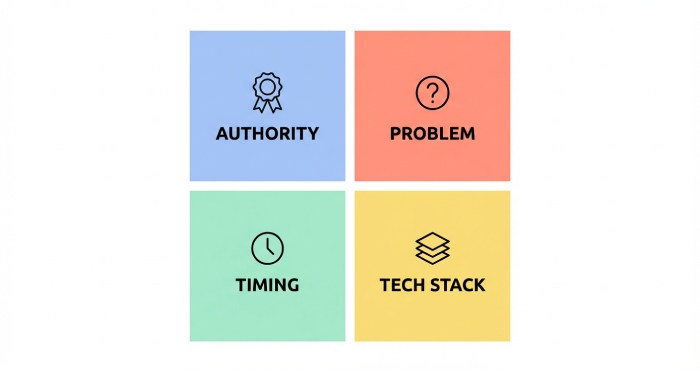
- Qualify lightly: authority, problem, timing, and existing stack. Keep crafting the perfect message that respects their sales process while asking for a next step.
Metrics: open rates, reply rates, response rate, getting replies
Track at the step level: subject line open rates, first-touch reply rates, LinkedIn DM response rate, and voicemail return calls. Use feedback loops to optimize outreach—tighten your call to action, vary send times, test location targeting, and monitor deliverability with tools like Nureply to ensure inbox placement stays strong. Automation platforms such as Mails AI and loyallyAI can suggest experiments, measure engagement trends, and surface client referrals or introductions from internal champions.
Pull practical insights from practitioners like Trevor Chapman and AJ Cassata, as well as community-driven shows like Mornings in the Lab hosted by Keith, Jon & Friends, to continuously refine messaging, testing cadence, and multichannel follow-ups—so your cold outreach in B2B becomes a measurable growth engine rather than a guessing game.
Keep aligning to your target audience, enrich with behavioral data, and continuously refine your outreach strategy. When solopreneurs and service-based entrepreneurs maintain an authentic approach, craft individualized messages, and use personalized templates, cold outreach stops feeling like spammy emails and starts driving qualified leads and business growth.
FAQs
What’s the best channel to start with for B2B cold outreach?
Begin with cold email for scale, then layer LinkedIn and phone to raise response rate. Multichannel touches help you avoid being ignored and increase engagement.
How personalized do my messages need to be to grab attention?
Use tiered personalization: 1:1 for top accounts and smart variables for the rest. The goal is an authentic approach that sparks conversation, not a long, salesy monologue.
How many follow-up emails should I send in a sequence?
In B2B outbound, 2–4 follow-up emails across a 10–12 touch cadence is common. Always schedule follow ups and vary the channel to keep getting replies.
What metrics matter most to optimize outreach?
Track open rates, reply rates, and overall response rate by step and segment. Use this feedback to adjust your email subject line, value proposition, and call to action.
Can automation tools help without making messages feel spammy?
Yes—tools like Mails AI and loyallyAI can enrich data and manage timing while you keep messages human. Combine automation with personalized templates and individualized messages.
How do I find a warm path or trusted introduction?
Ask for a referral in breakup notes or via mutual LinkedIn connections. Client referrals and warm intros often shorten the sales process and increase leads.
Key Takeaways
- Use tiered research and smart variables to scale personalization and avoid spammy emails while crafting the perfect message.
- Orchestrate email, LinkedIn, phone, and video to spark conversation, grab attention, and boost response rate.
- Deploy scenario-based Software as a service(SaaS) playbooks—competitor switch, integration-led, trigger-led, persona-led—for focused targeting.
- Maintain disciplined cadences, schedule follow ups, and optimize outreach with clear CTAs and metric-driven feedback.
- Leverage personalized templates and automation tools to help solopreneurs and service-based entrepreneurs achieve B2B business growth.