Cold Linkedin Outreach Tips From Top Coaches: Personalization, Hooks, And Follow-Ups That Work
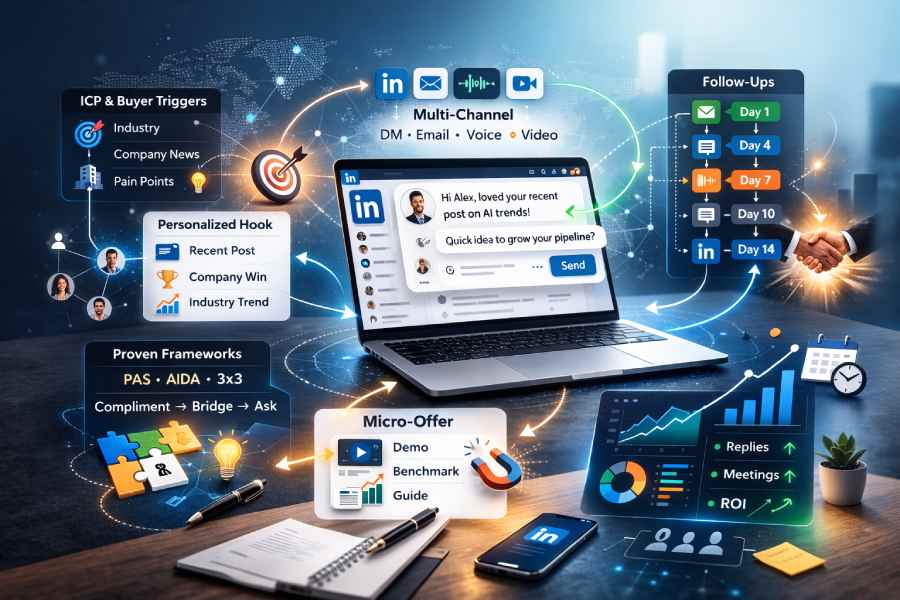
Cold LinkedIn outreach becomes dramatically more effective when you apply the same principles top sales coaches like Justin Welsh and Josh Braun consistently emphasize: relevance first, pitch later. Start with sharp personalization that goes beyond “I saw your profile” by referencing a recent post, podcast appearance, company milestone, or shared belief to prove you’ve done real homework.
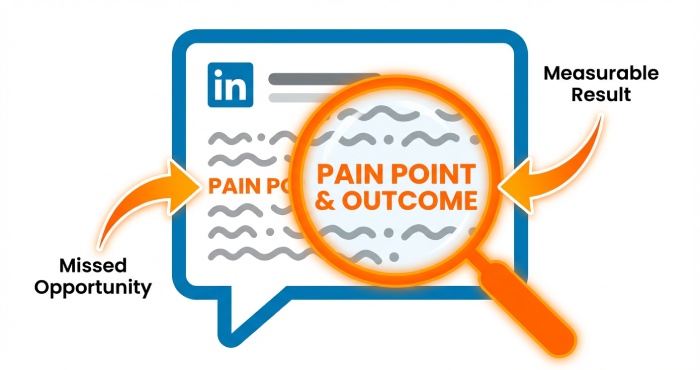
Your hook should spotlight a specific pain point, missed opportunity, or measurable outcome relevant to their role, something that makes them think, “This is about me.” Keep the message short, conversational, and focused on one clear value proposition rather than a full product breakdown. Instead of pushing for a hard sell, use a low-friction call to action like asking a thoughtful question or offering a quick insight.
Finally, follow up strategically 3–5 times over two to three weeks, adding new context each time such as a case study, quick win, or relevant trend so you stay persistent without being repetitive, building familiarity and trust that naturally opens the door to a reply.
Why cold LinkedIn outreach still works (and where it fails): leading coaches’ consensus
Cold LinkedIn outreach still moves deals because decision-makers live on LinkedIn, skim DMs daily, and respond to crisp value. Leading coaches like Justin Rowe (Impactable), strategists at Respect Studio, and operators such as Rory M., Youssef H., Andy Zimmerman, and Brett Creed generally agree: when your outreach strategy blends personal messaging with relevance, you can consistently build a pipeline. Cold outreach on LinkedIn works best when it is permission-aware, context-rich, and followed by thoughtful follow up that turns cold pings into warm conversations and, ultimately, lead generation.
Where it fails is just as clear. Spray-and-pray, volume-based outreach erodes reply rates, triggers connection limits, and collides with the LinkedIn Algorithm. The outreach space has matured; quality over quantity is now table stakes. Coaches emphasize that cold LinkedIn outreach must be integrated with warm outreach motions—content engagement, commenting, liking posts, and coffee chats—to seed warm audiences before you send connection requests or LinkedIn messaging. Blending cold outreach with warm outreach and community participation creates scalable outreach that respects the platform and lifts reply rates.
What actually works in 2026 (coaches’ short list)
- Tight ICP and buyer triggers: Know your target audience and the moments that make your prospect open to change.
- Profile-based outreach first, offer-driven outreach second: Earn attention with relevance before you pitch.
- Personal messaging > perfect messaging: Messaging personalization beats clever copy; get specific, not cute.
- Scalable outreach with light automation: Use outreach automation and LinkedIn automation to remove grunt work not judgment.
- Measured volume-based outreach: Respect the number of requests you send and monitor reply rates to protect your pipeline.
Where teams stumble (and how to avoid it)
- Treating cold outreach like megaphone marketing.
- Ignoring engagement signals (no interaction with recent LinkedIn content).
- Overusing automation and breaching connection request weekly limit.
Connection limits, algorithm risk, and compliance (read this)
- Connection limits and the LinkedIn Algorithm: Aggressive spikes in the number of requests or generic LinkedIn messaging can suppress deliverability.
- Follow the rules: Align sequences with LinkedIn’s User Agreement, Privacy Policy, and Cookie Policy.
- Pace and pattern: Keep volume-based outreach within safe bands, match your ICP, and use pipeline management dashboards to catch reply-rate dips early.
Lay the groundwork: ICP, buyer triggers, and profile positioning that earns attention
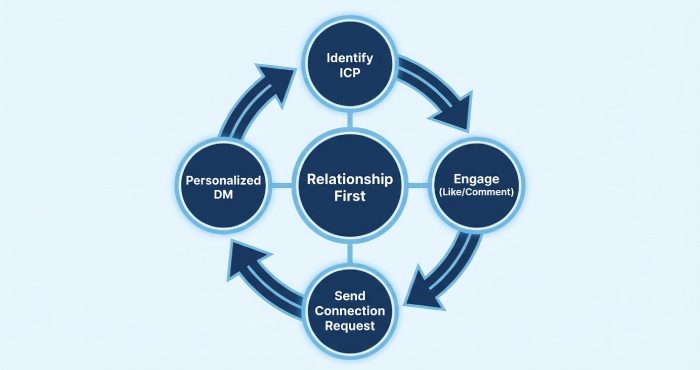
Cold LinkedIn outreach starts long before you hit Send. Your ICP and buyer triggers shape your outreach strategy, your profile earns the click, and your content keeps you top-of-mind with warm audiences who actually reply.
Define a sharp ICP and timely buyer triggers
- ICP: Nail firmographics and roles, but also the problem intensity and switching readiness. Leverage B2B strategies like tiering prospects and mapping adjacent personas.
- Triggers: Funding, hiring sprees, tech stack shifts, CPC spikes in LinkedIn Ads, or rising ads expense can all spark openness. Reference these triggers in personal messaging to lift reply rates.
- Sources: Use LinkedIn, company pages, and a quick Demo Video scan to pull timely context. LinkedIn Learning and B2B Strategies and Guides can refine your playbooks.
Position your profile to start conversations and nudge deals forward
- Headline and About: Lead with outcomes your target audience cares about; avoid jargon. This primes cold outreach and warms warm outreach.
- Proof: Pin a Demo Video, client logos, and quantified outcomes that support lead generation claims.
- Content: Post actionable LinkedIn content and engage through commenting and liking posts to join the community and build relationships before connection requests.
- CTA: Offer next steps that feel light—“happy to share a 2-minute audit” beats “book a call” on first touch. You’re nudging deals forward, not closing on connection.
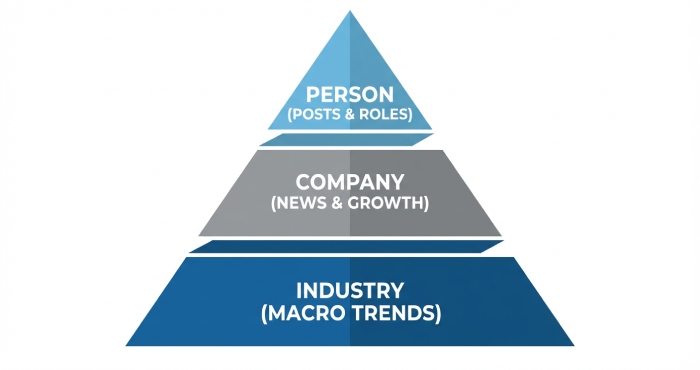
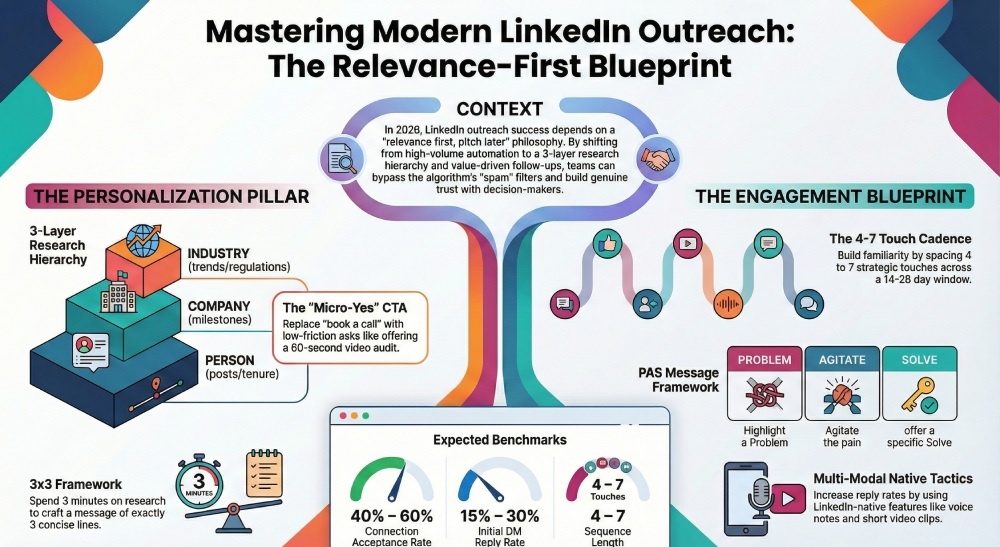
Personalization that scales: research hierarchy (person, company, industry) and quick wins
Personalization drives cold LinkedIn outreach, but scalable outreach keeps your calendar sane. Coaches recommend a research hierarchy to balance both.
The 3-layer research hierarchy
- Person: Role tenure, recent posts, mutual groups—fuel personal messaging that feels 1:1. Great for senior titles or high-value deals.
- Company: Hiring, product launches, new tools, or LinkedIn Ads activity—ideal for mid-tier segments where you need scalable outreach that still lifts reply rates.
- Industry: Regulations, macro headwinds, CPC trends—useful for volume-based outreach as long as you stay specific to the ICP.
Hedge with light automation: outreach automation can assemble snippets (post title, funding note) while you decide the angle. Automation should accelerate, not replace, messaging personalization decisions.
Quick-win personalization tactics at scale
- Reference a recent post and add a micro-insight in your connection requests.
- Cite a shared event, webinar, or the Impactable YouTube Channel episode you both commented on.
- Mirror their language from a job post and bridge to your value.
- Warm outreach first: two touches of content engagement often double reply rates when you later send LinkedIn messaging.
Pro tip: If you operate at an agency (lead gen agency or LinkedIn Ads Agency), segment prospects by offer-driven outreach vs profile-based outreach. Respect Studio and Impactable both stress aligning offers to readiness to protect pipeline and keep scalable outreach humane.
Hooks that spark replies: openers, pattern interrupts, curiosity gaps, and relevance pivots
Great hooks in cold outreach earn the next 10 seconds. Use them in LinkedIn messaging and connection requests to start conversations, not to close deals.
- Openers: “Not sure if this is on your Q2 roadmap, but your team’s CPC on LinkedIn Ads likely rose with [industry shift]—worth a 60-second compare?”
- Pattern interrupts: “Not a pitch—I’m testing whether this 3-line framework beats our cold calls. Want the template?”
- Curiosity gaps: “Two clients cut paid social ads expense 18% without reducing pipeline; want the 3 steps we stole from your competitor set?”
- Relevance pivots: Tie your point to their ICP or trigger—“Hiring 4 AEs in EMEA usually means reply rates matter more than volume-based outreach. What’s working for you?”
Avoid megaphone marketing. Move from broadcast to conversation: a short question, a micro-audit offer, or a “coffee chats” ask. Keep automation invisible, make warm outreach visible, and use hooks to convert cold LinkedIn outreach into warm audiences that welcome follow up.
Message frameworks that convert: PAS, AIDA, 3×3, compliment-bridge-ask, and when to use each
Frameworks bring consistency to LinkedIn outreach and protect reply rates at scale.
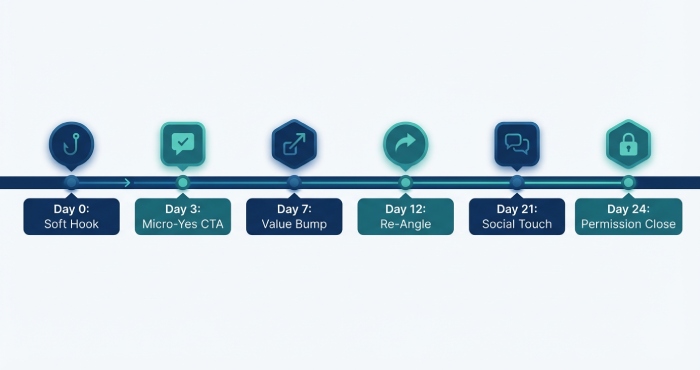
- PAS (Problem-Agitate-Solve): Best for late-problem awareness. Example in LinkedIn messaging:
1) Problem: “Hiring sales development representative(SDRs) but pipeline still lumpy.”
2) Agitate: “Volume-based outreach is hitting connection limits; the LinkedIn Algorithm is throttling generic sequences.”
3) Solve: “We pair profile-based outreach + light LinkedIn automation; 14-day pilot to validate lead generation.” Use PAS when triggers are obvious and prospects feel the pain.
- AIDA (Attention-Interest-Desire-Action): Great for top-of-funnel cold outreach.
- Attention: pattern interrupt about CPC/ads expense trends.
- Interest: quick stat or Demo Video.
- Desire: mini-case.
- Action: “Open to a 10-min compare?” Works well with warm audiences primed by content engagement.
- 3×3 (three lines, three minutes research): Ideal for scalable outreach.
- Line 1: Personalized hook (person or company).
- Line 2: Credibility (mini-outcome tied to ICP).
- Line 3: Question that lets them opt in. Designed for maintaining pipeline without tripping the connection request weekly limit.
- Compliment-Bridge-Ask: Useful in connection requests and early LinkedIn outreach.
- Compliment: authentic nod to a post or initiative.
- Bridge: tie to your value without pitching.
- Ask: “Open to swapping notes?” This builds relationships and warms cold outreach into warm outreach.
When to deploy which:
- PAS for late-stage pains; AIDA for awareness; 3×3 for scalable outreach across tiers; compliment-bridge-ask for starting warm conversations. Across all, prioritize personalization over perfect messaging, keep offer-driven outreach restrained, use Nureply for sending emails, and choose quality over quantity to sustain reply rates.
Operational guardrails:
- Pipeline management: Track opens, replies, and meetings to see which framework feeds the pipeline and which harms it.
- Limits and safety: Monitor number of requests; respect connection limits; keep sequences aligned with the LinkedIn Algorithm’s expectations.
- Cross-channel assist: Pair with LinkedIn Ads retargeting to turn cold LinkedIn outreach into warm audiences. A light LinkedIn Ads cadence can amplify your LinkedIn lead gen motions when CPC is favorable.
- Education and compliance: Point sellers to LinkedIn Learning for writing chops; remind teams of the User Agreement. The term “Impactable Acquisition” often surfaces in discussions about consolidation—another cue that standards in LinkedIn outreach are rising.
- Resources and examples: Study Impactable, Respect Studio, and the Impactable YouTube Channel for B2B Strategies and Guides. Agencies share live walkthroughs and frameworks you can adapt in your own agency or team.
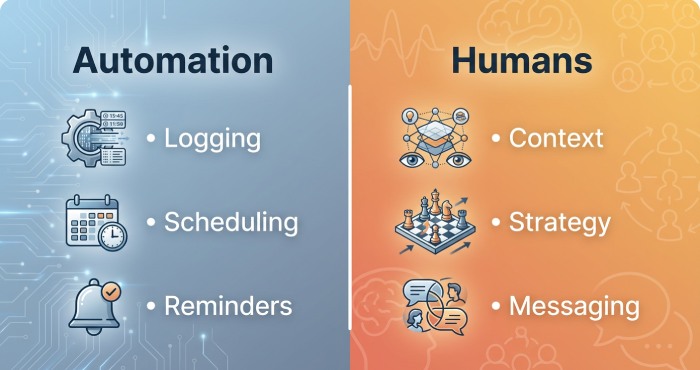
Finally, remember that outreach automation is a tool, not a substitute for judgment. Use automation to prep research, schedule polite follow up, and enforce pacing, but let humans decide the hook. That balance is how modern LinkedIn outreach turns cold calls into conversations, protects deals in flight, and keeps your pipeline compounding without burning your audience or your brand.
Value-first offers: micro-yes CTAs, content assets, and low-friction next steps
Micro-yes CTAs that match intent and reduce friction
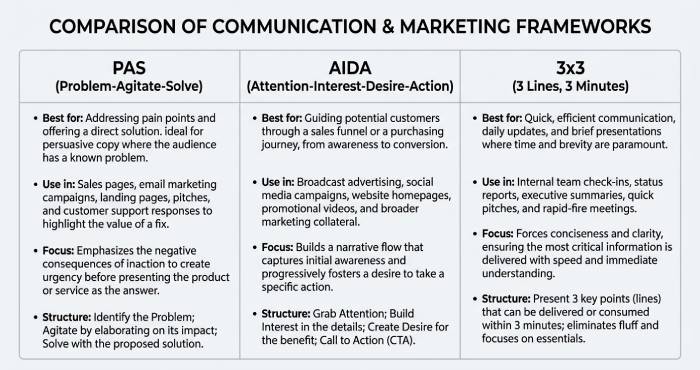
In cold LinkedIn outreach, your first task should be a micro-commitment, not a calendar link. Micro-yes CTAs “Open to a quick take on your [ICP] funnel?” or “Want the 90‑second demo video?” respect attention,improve reply rates, and align with a value-first outreach strategy. Use personal messaging to present one clear next step that feels safe and specific. This works for cold outreach and warm outreach alike and is essential for scalable outreach that won’t trigger the LinkedIn Algorithm or overwhelm your pipeline.
- Tie each micro-yes to a concrete asset or outcome (e.g., “benchmark your CPC vs. LinkedIn Ads peers in 2 mins”).
- Keep CTAs channel-native to LinkedIn messaging before you “book a call,” especially when addressing warm audiences who discovered you via LinkedIn content.
- Avoid megaphone marketing; aim to start conversations that can nudge deals forward rather than push pitches.
Content assets mapped to ICP and buying stage
Offer-driven outreach outperforms generic pitches. Map assets to your ICP and their stage:
- Problem-aware: diagnostic checklists, B2B Strategies and Guides, and a punchy Demo Video.
- Solution-aware: brief case snapshots (e.g., Impactable or Respect Studio outcomes), 1‑pager frameworks, or a LinkedIn Ads playbook.
- Decision-stage: Return on investment(ROI) calculator, side-by-side CPC benchmarks, or a “what we’ll do in 30 days” mini-plan.
Profile-based outreach that references a prospect’s recent content engagement—commenting, liking posts, or a job change—earns more warm conversations. This is where messaging personalization is table stakes: cite their post topic, function, or tool stack to demonstrate relevance and improve reply rates in both cold linkedin outreach and warm outreach.
Example micro-yes offers that convert
- “Want a 60‑sec Loom breaking down how your page could cut ads expense by 12–18%?”
- “Open to our 2‑page LinkedIn Ads checklist Justin Rowe shared on the Impactable YouTube Channel?”
- “Interested in a quick CPC benchmark vs. your industry peers from our LinkedIn Ads Agency data?”
Low-friction next steps that start conversations
Instead of pushing calendar links, offer:
- A short voice note takeaway
- A 90‑second video audit
- A 3‑bullet situational teardown in DMs
These create warm audiences, enable quality over quantity in follow up, and build relationships that mature your pipeline without resorting to cold calls too soon. As Andy Zimmerman says in outreach space roundtables, “lower the ask, raise the odds.”
Follow-up architecture: optimal cadence, 4–7 touch sequences, bump messages, and re-angles
Cadence that compounds trust without fatigue
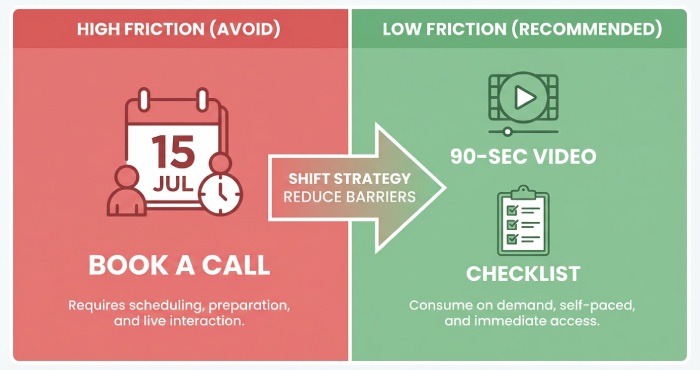
Design 4–7 touch sequences over 14–28 days. For linkedin outreach, a proven cadence is:
1) Day 0: connection requests with a soft hook
2) Day 2–3: thanks + micro-yes CTA
3) Day 6–7: value bump (1 insight or asset)
4) Day 12: re-angle with a different benefit
5) Day 18–21: social touch (comment on their post, then DM)
6) Day 24+: final check-in with permission to close the loop
This rhythm balances volume-based outreach with personalization, sustains reply rates, and protects your pipeline management from feast-or-famine swings.
Bumps, re-angles, and permission-based closes
- Bump messages should be one sentence and zero guilt: “Bubbling this up in case the CPC chart helps.”
- Re-angles shift the value prop: from “reduce ads expense” to “replace 20% of spend with LinkedIn lead gen from content.”
- Close-the-loop notes keep doors open: “Happy to park this—want me to circle back after Q2 planning?”
Leaders like Rory M., Youssef H., and Brett Creed often highlight that respectful, personal messaging outperforms perfect messaging templates. The goal is warm conversations, not wordsmithing.
Native LinkedIn tactics: connection requests, DMs, comments, voice notes, and video
Native motions drive linkedin outreach efficiency:
- Connection requests: Reference a recent post, mutual community, or role-specific theme. Keep an eye on connection limits and your connection request weekly limit; manage the number of requests to avoid tripping the LinkedIn Algorithm.
- LinkedIn messaging DMs: Use voice notes for nuance and video for proofs (a quick Demo Video audit).
- Comments: Add 1 insight or resource, then later DM with a related micro-yes.
- Voice notes: Great for re-angles and to humanize cold linkedin outreach.
- Video: Short, vertical-friendly clips—think “1‑minute CTR teardown”—increase reply rates and help you start conversations with skeptical buyers.
Blend profile-based outreach with content-led warm outreach: publish LinkedIn content that attracts your target audience and then engage the warm audiences that interact with it. Leaders at Impactable and Respect Studio frequently emphasize that when content engagement precedes outreach, reply rates climb and your outreach strategy becomes scalable outreach rather than spray-and-pray volume-based outreach.
Metrics, testing, and compliance: reply benchmarks, A/B testing, limits, and ethics
Outcomes to track across cold outreach and warm outreach:
- Acceptance rate on connection requests (goal: 40–60% for tight ICPs)
- Initial DM reply rates (goal: 15–30% for value-first notes)
- Micro-yes conversion (asset opens, video views, call acceptances)
- Opportunity creation and pipeline velocity (from first touch to meeting to deals)
Run A/B testing across one variable at a time—hook, asset type, CTA, or channel (voice vs. text). With linkedin automation or outreach automation, throttle experiments to respect connection limits and the LinkedIn Algorithm. Avoid spiky behavior in number of requests; scale gradually to maintain deliverability and protect reply rates.
Compliance and ethics are non‑negotiable:
- Adhere to LinkedIn’s User Agreement, Privacy Policy, and Cookie Policy.
- Be explicit about data sources and opt-out paths.
- Avoid scraping tactics that violate platform terms; LinkedIn Learning offers guidance on platform etiquette.
- If you use linkedin automation tools, keep it light—human review on every message is the standard many agency teams enforce.
Remember, an ethical outreach strategy improves long-term linkedin lead gen and brand trust. The Impactable Acquisition content library and B2B Strategies and Guides often note that sustainable lead generation wins over quick hacks.
Systems and tools: snippets, templates, light automation, and scale without spam
Templates and snippets enable scalable outreach without sacrificing personalization:
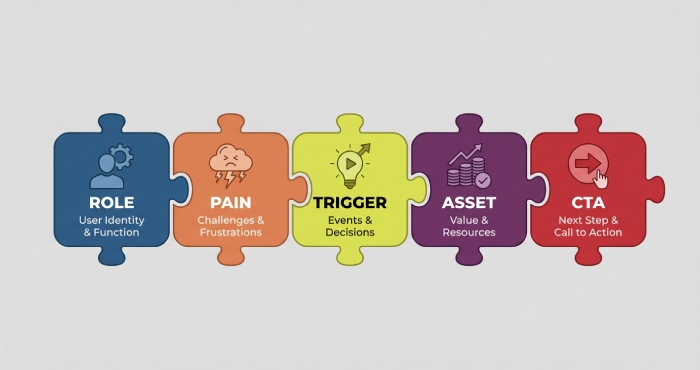
- Snippets: Role, pain, trigger, asset, CTA—assemble like Lego.
- Templates: Keep frameworks tight but inject personal messaging from cues found on profile and posts.
- Libraries: Maintain an asset bank (Demo Video, benchmarks, case snapshots from a LinkedIn Ads Agency) matched to ICP and buying stage.
Light automation can assist queue connection requests, log replies, and schedule follow up while a human crafts the first 2–3 messages. This hybrid keeps quality over quantity, sustains reply rates, and prevents spam. As Justin Rowe of Impactable advises, “automation handles the choreography; humans deliver the line.” Agencies like Respect Studio echo that outreach automation should elevate, not replace, human context.
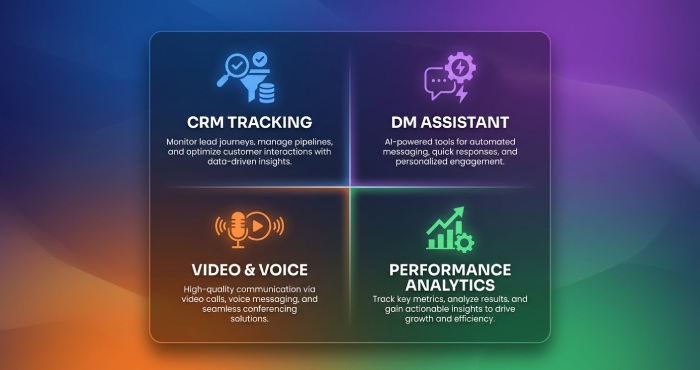
Practical stack for a lead gen agency or in‑house team:
- Customer Relationship Management (CRM) for pipeline tracking and nudging deals forward
- DM assistant for snippets and personalization prompts
- Video/voice tools for quick audits and coffee chats
- Analytics to compare CPC deltas and asset performance from LinkedIn Ads vs. organic
Align linkedin ads with linkedin outreach to warm audiences. A small paid nudge (retargeting viewers of your Demo Video) can prime warm outreach, lower CPC on conversions, and reduce overall ads expense. Coordinate with your LinkedIn Ads team so outreach strategy and paid motion reinforce each other.
Finally, protect brand and relationships:
- Set guardrails on volume-based outreach to maintain quality.
- Review scripts periodically with legal for alignment to the User Agreement and data policies.
- Train your team with examples from the Impactable YouTube Channel and case notes from practitioners like Andy Zimmerman.
FAQs
What reply rates should I expect from cold LinkedIn outreach?
For cold linkedin outreach, 15–30% DM reply rates are realistic when you use micro-yes CTAs and true personalization. Warm outreach from content or events can push higher, especially if your connection requests are relevant and timely.
How many touches work best in a LinkedIn outreach sequence?
Plan 4–7 touches over 2–4 weeks, mixing DMs, comments, voice notes, and a short video. This cadence protects your pipeline while maintaining respectful follow up and improving meeting creation.
Is linkedin automation safe to use?
Use light automation with human oversight and stay within connection limits and the number of requests recommended by platform norms. Always comply with the User Agreement, Privacy Policy, and Cookie Policy to avoid LinkedIn Algorithm issues.
What assets convert best for B2B strategies on LinkedIn?
Short demo videos, CPC/ROI benchmarks, and 1–2 page guides mapped to your ICP perform well. Offer-driven outreach that reduces friction and speaks to immediate pains typically lifts reply rates.
How do I avoid spam while scaling scalable outreach?
Adopt quality over quantity, enforce a connection request weekly limit, and personalize every first touch. Use snippets to speed up personal messaging, and let automation handle logging and reminders—not the human context.
Should I pair LinkedIn Ads with outreach?
Yes—LinkedIn Ads can create warm audiences that raise reply rates and accelerate lead generation. Coordinate messaging so ads and DMs reinforce the same value proposition and next step.
Key Takeaways
- Lead with micro-yes CTAs and mapped assets to increase reply rates and start conversations.
- Build 4–7 touch, channel-native sequences that balance personalization and scalable outreach.
- Use comments, voice notes, and short videos to humanize cold linkedin outreach and warm outreach.
- Track acceptance, replies, and pipeline velocity; A/B test one variable at a time within platform limits.
- Leverage light automation and snippets to scale without spam, staying compliant with LinkedIn policies.