

What Are Outbound Leads? Definition, Examples, And How They Differ From Inbound
Outbound leads are potential customers your business proactively reaches out to, rather than waiting for them to find you. In outbound marketing, your sales or marketing team initiates contact through tactics like cold calling, cold emailing, direct mail, paid advertising, or LinkedIn outreach to spark interest and generate opportunities. Unlike inbound leads—who discover your brand through content, SEO, or social media and come to you—outbound leads are identified, researched, and approached directly based on defined criteria such as industry, company size, or job title.
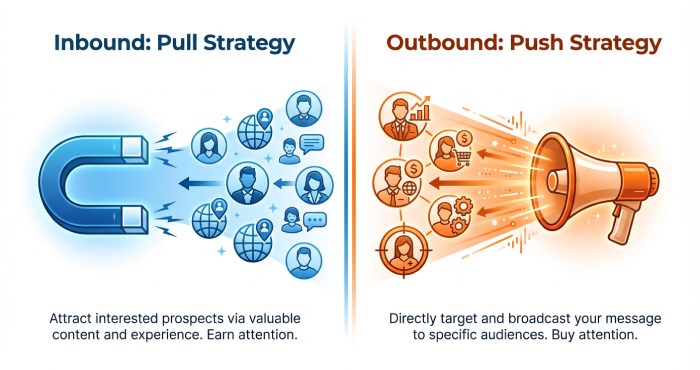
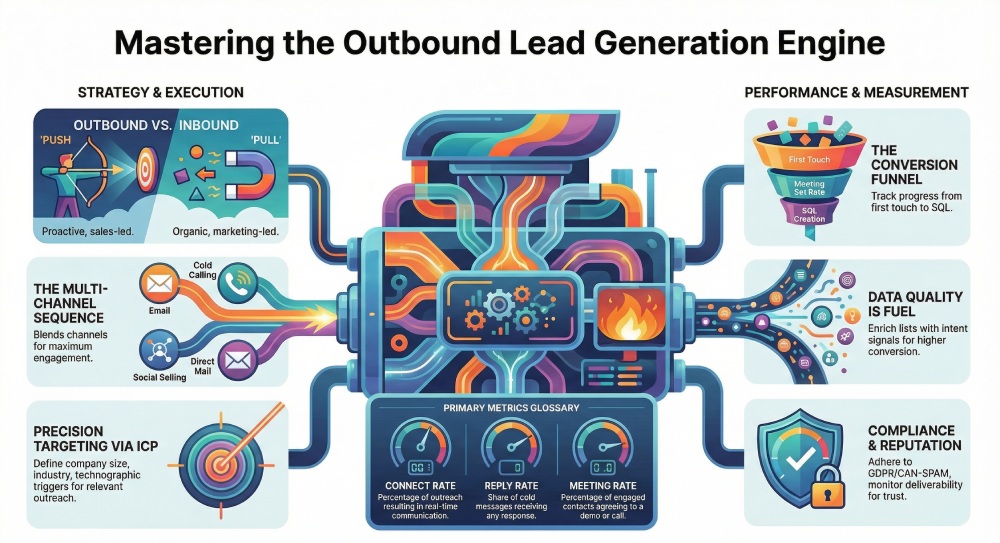
The key difference lies in who makes the first move: outbound is push-driven and sales-led, while inbound is pull-driven and marketing-led, each playing a distinct but complementary role in building a predictable revenue pipeline.
Outbound Leads Defined: What they are, who generates them, and how they move through the funnel
An outbound lead is a sales contact identified and engaged through proactive outreach rather than discovered through organic interest. In practice, outbound leads are sourced by SDRs/BDRs, AEs, and growth marketers who initiate direct communication via cold outreach—often through cold calling, email marketing, targeted advertising, and even direct mail—to spark interest among prospects that match an ideal customer profile but haven’t yet raised their hand. This approach to outbound lead generation prioritizes speed, control, and targeted outreach over passively waiting for inbound demand.
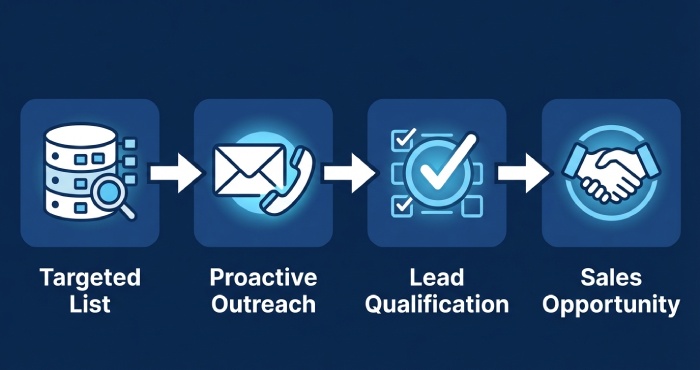
Outbound leads typically enter the funnel as raw sales leads from lead lists (e.g., company names and stakeholders that fit your target audience) enriched with firmographic and technographic data. From there, teams apply qualification criteria and lead scoring to determine fit and intent before passing marketing-qualified leads (MQLs) to sales for further qualification as SQLs. Because an outbound lead starts earlier in the buyer’s journey than an inbound lead, they often require additional lead nurturing to progress through the sales process and reach conversion.
Modern outbound lead generation relies on disciplined execution. Teams use tools like Salesloft for sequencing, Revenue.io for call coaching and analytics, and Drift for instant conversations and routing from email campaigns or landing pages. When selling to industrial buyers—such as North American manufacturers, MRO professionals, engineers, and buyers—teams often source lead lists from Thomasnet.com (Thomas), which aggregates company profile details for manufacturers and suppliers.
Indeed can also help identify hiring signals that inform timing and messaging. For deliverability and speed, marketing sites and landing pages frequently run on Cloudflare. Across industries, data analysis informs qualification criteria, while message testing, offers, and cadence optimization improve return on investment over time.
Outbound lead generation is effective when aligned to clear business objectives, a well-defined target audience, and a repeatable operating rhythm. Although resource-intensive and sometimes time-consuming to refine, it gives teams flexibility to pursue specific accounts, adapt to market trends, and respond to industry trends quickly.
Outbound vs. Inbound: Key differences in intent, initiation, timelines, costs, and conversion patterns
- Initiation and intent: Outbound leads originate from proactive outreach initiated by your team using cold outreach tactics like cold calling, email marketing, targeted advertising, and direct mail. In contrast, an inbound lead arrives through content marketing, SEO, and social media; inbound leads signal intent by seeking you out. Inbound lead generation builds trust and credibility through helpful blog posts, keyword optimization for search engine optimization, and compelling landing pages, while outbound lead generation relies on direct communication and interruptive tactics to capture attention.
- Timelines and expectations: Outbound can produce immediate results when targeting the right accounts, especially with precise lead lists and email campaigns. However, conversion rates may vary and can show unpredictable results early on. Inbound leads benefit from organic growth with a long-term impact as your keywords rank and social-media engagement compounds.
- Costs and resources: Outbound requires budget for targeted advertising (e.g., Google Ads, Facebook), data vendors, and enablement tools, and it demands a specialized skill set for prospecting and message personalization. Inbound often requires sustained investment in content, search engine optimization, and social-media marketing. Both models can be resource-intensive, but in different ways, and the optimal strategy mix depends on resource availability and business objectives.
- Conversion and brand effects: Outbound favors disruptive strategies and interruptive tactics that reach potential customers who may not be actively shopping. This speed can accelerate pipeline but can affect brand reputation if executed without relevance. Inbound nurtures prospects who self-educate, often delivering higher trust and credibility but at a slower clip. Strong data analysis across both motion types is essential to optimize conversion, lead nurturing, and overall return on investment.
In practice, high-performing teams blend outbound and inbound. They capture inbound leads from SEO and social media while using outbound to saturate named accounts with targeted outreach. Advertising and targeted advertising amplify both approaches, while consistent measurement guides the balance.
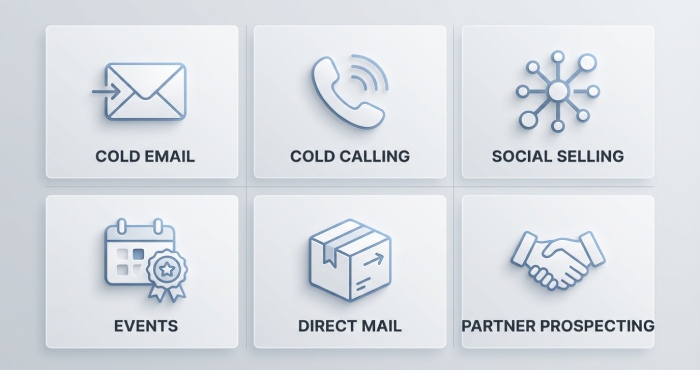
Core Outbound Channels and Examples: Cold email, cold calling, social selling, events, direct mail, and partner prospecting
Cold email
Cold outreach via email remains a cornerstone of outbound lead generation. Well-structured email campaigns use concise value propositions, relevant triggers, and strong calls to action. Tools like Salesloft coordinate sequences, while Drift can offer chat handoffs from links in messages. Pair email marketing with targeted advertising to warm audiences before outreach. Example: For industrial buyers on Thomasnet, reference a buyer’s journey trigger—like a new facility opening—and include a short case study. Run complementary Google Ads and Facebook targeted advertising to the same accounts and drive traffic to landing pages.
Cold calling
Cold calling creates real-time, direct communication and can accelerate qualification. Revenue.io improves call coaching and connects outcomes to your CRM for lead scoring. Combine cold calling with email campaigns and targeted outreach to the same contacts for higher engagement. Example: A rep calls buyers at North American manufacturers after they engage with a technical blog post or spec sheet and follows up with a tailored voicemail and email marketing sequence.
Social selling
Leverage social media to identify prospects, engage with their posts, and open conversations. Social-media marketing improves visibility, while social-media engagement builds credibility before outreach. Example: Comment on an engineer’s discussion about new materials, then send a personalized message referencing their post. Use keywords from their role and company profile to align the offer.
Events and field marketing
Events, trade shows, and webinars generate outbound leads when you schedule meetings in advance, run booth advertising, and follow up fast. Example: Before a manufacturing expo, pull lead lists from Thomasnet.com, book appointments with MRO professionals, scan badges onsite, and execute email campaigns within 24 hours. Ensure landing pages load fast—services like Cloudflare can help.
Direct mail
Direct mail stands out in a noisy digital world. Pair a dimensional mailer with a custom URL and QR code to a landing page, then follow up with email marketing and cold calling. Example: Send a sample kit to industrial buyers with a brief note about cost savings; run targeted advertising to reinforce the message.
Partner and channel prospecting
Work with complementary vendors and associations to access curated lead lists and shared audiences. Example: Collaborate with a tooling distributor to co-host a webinar for manufacturers and engineers; run joint email campaigns and split the outbound leads for follow-up.
Note: Many teams consult resources like The Ultimate Guide To Marketing or Ultimate Guide To Marketing to refine channel mix and sequencing, and some—such as Team Thomas—offer a Free Missed Opportunity Report to highlight gaps with industrial buyers on Thomasnet.
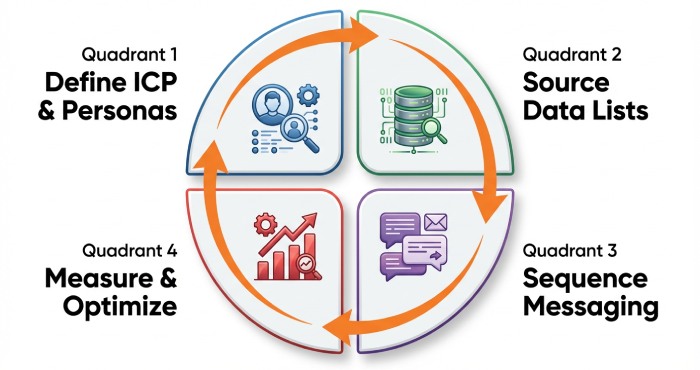
Building an Outbound Engine: ICPs, buyer personas, list sourcing, data quality, messaging, offers, and sequencing
ICPs and buyer personas
Define the company profile first: industry, size, geography, tech stack, and compelling events. Next, map buyer personas by role, pains, and triggers throughout the buyer’s journey. Align qualification criteria and lead scoring to these definitions, and document the sales process handoffs from MQL to SQL. This foundation ensures outbound lead generation stays focused on high-fit prospects and potential customers.
List sourcing and data quality
High-quality lead lists are the fuel for outbound leads. Source from reputable platforms: Thomasnet for manufacturers and industrial buyers, LinkedIn Sales Navigator for role-based filters, and Indeed for hiring signals that indicate timing. Validate contact data, enrich with demographics and behavior signals, and run periodic data analysis to remove decay. Strong data increases conversion, improves return on investment, and reduces time-consuming rework.
Messaging, offers, and creative
Craft messaging that speaks to pains, outcomes, and use cases specific to your target audience. Reference market trends and industry trends to establish relevance and trust and credibility. Use multichannel creative—email marketing, direct mail, and targeted advertising—to deliver the same core idea across communication channels. Offers can include assessments, ROI calculators, or a Free Missed Opportunity Report. Maintain brand reputation by avoiding overly aggressive, interruptive tactics; instead, use disruptive strategies thoughtfully with clear value.
- Tie-ins to inbound: Repurpose content marketing assets blog posts, white papers, and landing pages—within outbound email campaigns. SEO insights guide keyword optimization and the keywords you use in subject lines and ads.
Sequencing and orchestration
Build sequences that blend cold outreach across channels: email campaigns, cold calling, social touches, targeted advertising, and occasional direct mail. Start with light, value-led emails, layer in a phone call, add a social nudge, and escalate to a stronger offer. Space steps to balance immediate results with respect for the buyer’s time.
- Measurement and optimization: Track reply rates, meetings set, stage progression, and conversion by segment. Use data analysis to refine send times, messaging, and cadences. Maintain flexibility to reallocate effort based on performance and resource availability.
- People and process: Equip the team with the right skill set—research, writing, objection handling, and analytics. Document playbooks, coach regularly, and align compensation to business objectives. Ensure CRM hygiene so sales leads are routed properly and email campaigns don’t collide.
Finally, keep the strategy mix dynamic. Pair outbound leads with inbound leads to capture both active demand and latent demand. Use advertising and targeted advertising to warm accounts, feed pipelines with precise lead lists, and reinforce cold outreach across channels. When executed with precision, outbound lead generation complements inbound lead generation, shortens time to pipeline, and creates scalable paths to growth for manufacturers, software companies, and beyond.
Qualification and Metrics
From First Touch to Meeting Set
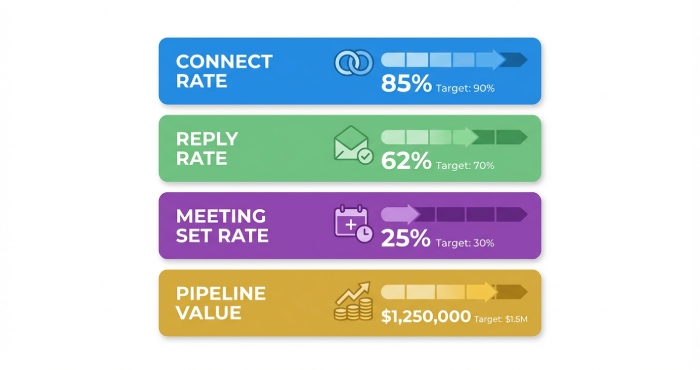
For outbound lead generation to be predictable, define the funnel from first touch to meeting set. Start by logging every proactive outreach attempt—cold calling, cold outreach via email campaigns, direct mail drops, targeted advertising impressions, and social media touches—so you can calculate connect rates, reply rates, meetings, and progression to SQLs. Whether the contact originated as an outbound lead from curated lead lists or an inbound lead from landing pages, track the source, channel, and sequence to ensure fair attribution and consistent qualification criteria.
Core Rates to Track
- Connect rate: Percentage of dials or messages that result in real-time direct communication with prospects.
- Reply rate: Share of cold outreach messages that receive a response (positive or negative).
- Positive conversion rate: Fraction of replies that progress to a meeting or qualified next step.
- Meeting set rate: Percentage of engaged contacts who agree to a scheduled call or demo.
- Opportunity and SQL creation: Ratio of meetings that become pipeline and Sales Qualified Leads (SQLs).
Connect Rate Benchmarks
Connect rates fluctuate by industry trends, demographics, and behavior. Phone-first campaigns supported by Salesloft or Revenue.io dialers often produce higher connect rates when paired with targeted advertising and warm retargeting.
Reply Rate Context
Reply rates rise when email marketing uses relevant keywords, personalized company profile references, and value-led blog posts aligned to the buyer’s journey. Expect higher replies from inbound leads and retargeted audiences than from net-new outbound leads.
Pipeline, SQLs, and Attribution
Pipeline created per rep and per channel is the anchor metric. Attribute opportunities to the first touch (cold calling, direct mail, advertising) and also track assist touches (email campaigns, social-media engagement, Drift chat, and platforms like Nureply) to understand multi-touch conversion. Apply lead scoring to both inbound leads and each outbound lead so that SDRs prioritize the right prospects and accelerate the sales process.
Advantages and Limitations
Speed to Pipeline and Immediate Results
Outbound leads can deliver immediate results because proactive outreach does not wait for organic growth. With disciplined cold outreach and email marketing, teams can generate sales leads quickly—especially when supported by targeted advertising and high-quality lead lists. However, early wins do not guarantee long-term impact without lead nurturing and strong messaging.
Market Coverage and Targeted Outreach
Outbound lead generation expands market coverage by reaching potential customers that SEO or social-media marketing may not capture. You can execute targeted outreach to specific accounts based on role, location, and firmographics, using direct mail or advertising to surround the account. This control improves return on investment when the target audience is well-defined.
Control vs. Cost and Capacity
Outbound lead programs give control over pace, messaging, and channel mix, but they can be resource-intensive and time-consuming. Dials, emails, and research require a skilled team and clear resource availability. Diminishing returns can occur when the same audience is fatigued by interruptive tactics.
Brand Risk and Diminishing Returns
Overuse of disruptive strategies—aggressive cold calling, repetitive email campaigns, or irrelevant advertising—can erode trust and credibility and harm brand reputation. Watch unsubscribes, opt-outs, and complaint rates to avoid unpredictable results and channel burnout.

Tools, Data, and Compliance
Core Stack: CRM, Sales Engagement, Dialers
Use a CRM to centralize contact data, qualification criteria, and opportunity stages. Pair it with a sales engagement platform like Salesloft or Revenue.io to orchestrate cold outreach, call tasks, and multi-channel cadences. Dialers increase connect rates and enable accurate call dispositioning for data analysis.
Data, Enrichment, Intent, and Lead Lists
Quality lead lists drive effective outbound leads. Enrich records with firmographic and technographic data, and layer intent signals (e.g., job postings on Indeed, category research on Thomasnet.com) to prioritize prospects. For industrial buyers, Thomasnet and Thomas resources surface North American manufacturers, MRO professionals, engineers, and buyers with verified sourcing needs.
Analytics, Deliverability, and Reporting
Track channel-level performance and cohort conversion by campaign. Improve deliverability with authenticated domains (SPF/DKIM/DMARC) and reliable DNS; tools like Cloudflare can help manage domain health for email marketing. Tie reporting to business objectives—pipeline, SQLs, and revenue—so the strategy mix remains flexible as market trends shift.
Compliance: GDPR, CAN-SPAM, DNC, Opt-Outs
Outbound lead generation must respect GDPR, CAN-SPAM, and local privacy rules. Honor DNC lists for cold calling and maintain clear unsubscribe and opt-out processes across communication channels. Monitor sender reputation, bounce rates, and complaint rates to protect deliverability and brand reputation.

Integrating with Inbound and ABM
Orchestrated Plays and Retargeting
Blend outbound leads with inbound leads using orchestrated plays: run targeted advertising via Google Ads and Facebook to warm accounts, retarget site visitors from landing pages, and trigger SDR cold outreach when engagement spikes. For ABM, coordinate direct mail and executive cold calling when account-level intent peaks.
Content Support and SLAs
Equip SDRs with content marketing assets—blog posts, The Ultimate Guide To Marketing, and landing pages optimized through keyword optimization and search engine optimization. Service-level agreements (SLAs) define response times for inbound lead handoffs and outbound lead follow-ups, aligning team expectations and skill set usage.
Shared Measurement and Feedback Loops
Use shared dashboards for inbound leads and outbound leads to compare conversion stages. Feed insights from cold outreach back to SEO and social media teams so search engine optimization and social-media marketing target the right keywords and narratives. This cross-functional loop improves lead nurturing and long-term impact.
Best Practices and Common Pitfalls
Personalization at Scale and Multi-Threading
Personalize cold outreach with role-specific value, recent activity, and company profile context. Multi-threading—engaging multiple stakeholders—raises conversion odds, especially when combined with direct communication via cold calling and supportive email marketing sequences.
Testing Cadences and Avoiding Spammy Tactics
Continuously A/B test cadences across email campaigns, phone, social media, and direct mail. Avoid spammy tactics like misleading subject lines or excessive frequency; favor targeted outreach that respects the buyer’s journey and builds trust and credibility over time.
Role of Channels in Outbound
Cold Calling and Direct Communication
Cold calling remains a cornerstone of proactive outreach, enabling real-time discovery and qualification criteria checks. Pair calls with voicemail drops and follow-up email campaigns to lift reply rates.
Email Marketing and Email Campaigns
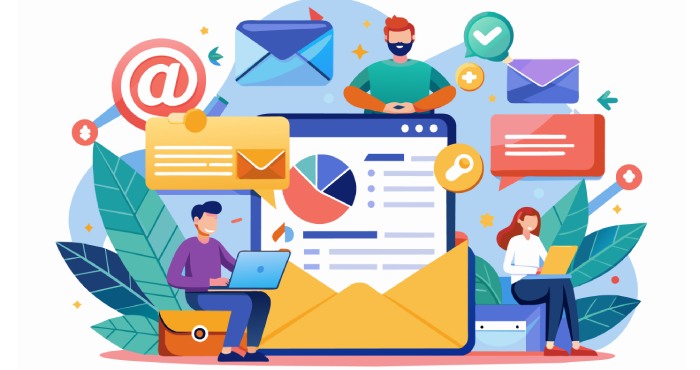
Effective email marketing relies on clear value, relevant keywords, and concise CTAs. Sequence email campaigns with targeted advertising and direct mail to raise awareness before the ask.
Direct Mail and Targeted Advertising
High-value accounts often respond to direct mail that complements digital touchpoints. Use targeted advertising to surround the account and drive them to landing pages before SDRs initiate cold outreach.
Aligning with the Buyer’s Journey
Qualification Criteria and Lead Scoring
Define lead scoring rules that reflect the buyer’s journey—from early research to evaluation—using behaviors like page views, content downloads, and event attendance. Apply consistent qualification criteria so both inbound lead and outbound lead motion align with the same standards.
Data Analysis and Optimization
Market Trends and Strategy Mix
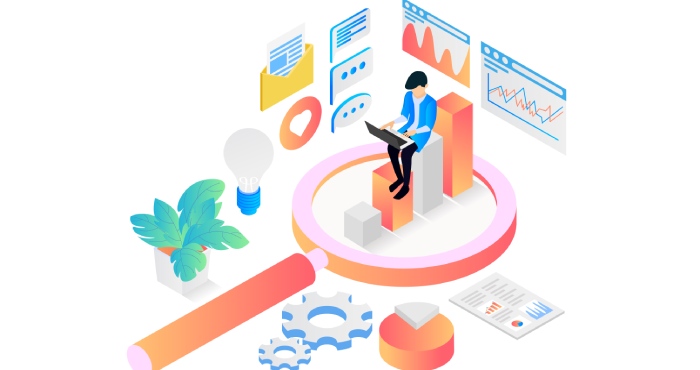
Use data analysis to rebalance channels based on market trends and industry trends. Maintain flexibility in your strategy mix, shifting budget between advertising, direct mail, and cold outreach to protect return on investment.
Industry Examples and Entities
Industrial Buyers and Thomasnet Ecosystem
Industrial buyers and North American manufacturers often research suppliers on Thomasnet and Thomasnet.com. Team Thomas offers resources like the Free Missed Opportunity Report and The Ultimate Guide To Marketing to help manufacturers and MRO professionals connect with engineers and buyers, turning research intent into qualified outbound leads.
SaaS Sales Tools and Platforms
SaaS sales teams commonly activate Salesloft and Revenue.io for sequencing and dialers, Drift for conversational marketing, Google Ads and Facebook for targeted advertising, and Cloudflare for domain and email-security posture. This integrated stack supports lead generation across outbound lead generation and inbound leads.
Resource Planning and Skills
Resource Availability and Skill Set
Assess resource availability, skill set, and capacity before scaling outbound leads. Train SDRs on objection handling, compliance, and writing high-performing email campaigns so cold outreach remains effective and on-brand.

Measurement Glossary
- Connect rate: Real-time conversations per outreach.
- Reply rate: Responses per email marketing message or social touch.
- Meeting rate: Scheduled calls per engaged contact.
- Pipeline: Qualified opportunity value from outbound lead generation.
- SQLs: Opportunities that meet sales-accepted qualification criteria.
FAQs
How do I balance outbound leads with inbound leads?
Use shared service levels agreement(SLA) and dashboards to compare conversion stages, then adjust investment by channel efficiency. Run orchestrated plays that retarget inbound lead activity and trigger tailored cold outreach to priority accounts.
What channels work best for outbound lead generation?
A blended mix of cold calling, email marketing, direct mail, and targeted advertising typically performs best. Layering these with social-media engagement and retargeting raises connect and reply rates.
How do I protect deliverability in email campaigns?
Authenticate domains (SPF/DKIM/DMARC), segment lead lists, and throttle send volumes. Keep messaging relevant and honor opt-outs to maintain sender reputation and inbox placement.
What metrics matter most from first touch to SQL?
Focus on connect rate, reply rate, meeting set rate, pipeline created, and SQL conversion. Track by channel and sequence to identify lift from multi-touch plays.

How can industrial buyers be reached effectively?
Combine Thomasnet intent signals with targeted advertising, direct mail, and SDR follow-up. Provide technical content and case studies that resonate with engineers, manufacturers, and MRO professionals.
What are common pitfalls in cold outreach?
Overly generic templates, excessive frequency, and ignoring compliance are top risks. Failing to personalize by role and company profile lowers trust and reduces conversion.
Are outbound programs resource-intensive?
Yes, outbound lead programs can be resource-intensive and time-consuming, requiring skilled SDRs and strong data. Start with a focused target audience and scale once unit economics are proven.
Key Takeaways
- Track connect rate, reply rate, meetings, pipeline, and SQLs to govern outbound lead generation with precision.
- Blend cold calling, email marketing, direct mail, and targeted advertising into orchestrated plays with inbound and Account-Based Marketing(ABM).
- Use quality lead lists, enrichment, and intent data from sources like Thomasnet and Indeed to prioritize prospects.
- Protect brand reputation and deliverability by honoring GDPR/CAN-SPAM, DNC, and opt-outs while avoiding spammy tactics.
- Continually test cadences and rebalance the strategy mix based on data analysis, market trends, and return on investment.